TL;DR: Reducing your Sydney electricity bill involves a multi-pronged approach, with solar power offering significant long-term savings by generating your own energy. Alongside embracing solar, understanding your current tariff, comparing energy providers, and implementing practical energy efficiency upgrades across your home can drastically cut consumption and costs.
Can installing solar power significantly reduce your Sydney electricity bill?
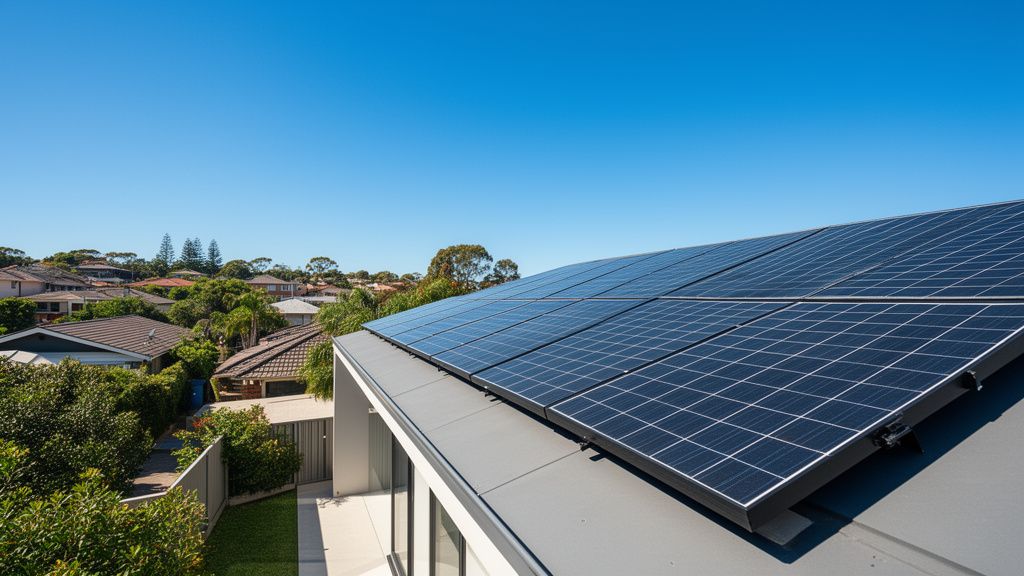
Installing solar power can significantly reduce your Sydney electricity bill by generating your own clean energy directly from your roof, offsetting expensive grid electricity consumption. With abundant sunshine in Sydney and generous government incentives like Small-scale Technology Certificates (STCs), the upfront cost of a solar system becomes more manageable, often paying for itself within 3-5 years. Many Sydney homeowners find that a well-sized 6.6kW solar system, costing around $5,000-$8,000 after STCs, can wipe out a substantial portion, if not all, of their daytime electricity charges, especially when coupled with smart usage habits to maximise self-consumption. This investment not only saves you money but also hedges against rising energy prices and increases your property's value, making it a powerful tool in your bill-busting arsenal.
How Solar Panels Deliver Savings in Sydney
Solar panels primarily deliver savings by reducing the amount of electricity you need to purchase from the grid, particularly during peak daytime hours when electricity rates are highest. Every kilowatt-hour (kWh) your solar system generates and you consume directly at home means one less kWh you buy from your retailer, typically saving you around 25-35 cents per kWh. Any excess electricity you don't use is exported back to the grid, earning you a feed-in tariff (FiT), which generally ranges from 5-15 cents per kWh in NSW. While FiTs are lower than retail prices, maximising self-consumption by running appliances like dishwashers and washing machines during the day directly under solar power provides the best financial return.
Maximising Solar Benefits with Battery Storage
Integrating a battery storage system with your solar setup further maximises your savings by allowing you to store surplus daytime solar energy for use during the evening or night. This is particularly beneficial for Sydney households with high evening electricity usage or those on time-of-use tariffs, where evening power can cost significantly more. Instead of exporting cheap solar power and buying expensive grid power later, a battery enables you to use your own stored solar energy, further reducing reliance on the grid and enhancing energy independence. While a battery adds to the initial investment, declining costs and increased self-sufficiency can significantly accelerate payback periods and provide peace of mind during power outages.
How does understanding your electricity bill help lower costs in NSW?
Understanding your electricity bill in NSW is crucial for identifying usage patterns and tariff structures that significantly impact your spending, providing actionable insights to reduce costs. Many Sydney households pay for electricity without truly grasping the various charges, leading to missed opportunities for savings. Your bill breaks down charges into supply fees, usage charges (often tiered or time-of-use), and sometimes environmental levies. By deciphering these components, you can see exactly where your money is going, identify periods of high consumption, and determine if your current tariff plan is optimal for your lifestyle. This knowledge empowers you to make informed decisions, from adjusting appliance use to switching energy providers.
Decoding Your Tariff: Peak, Off-Peak, and Shoulder Rates
Decoding your tariff, specifically understanding peak, off-peak, and shoulder rates, is vital for minimising electricity costs if you are on a time-of-use (TOU) plan, which is common in Sydney. Peak rates, typically from 2 pm-8 pm on weekdays, are the most expensive, sometimes double or triple off-peak rates. Shoulder rates, found during morning and early evening on weekdays and parts of the weekend, are moderately priced, while off-peak rates, usually overnight and all weekend, are the cheapest. By shifting high-energy tasks like laundry, dishwashing, or charging EVs to off-peak or shoulder periods, you can dramatically reduce your overall bill even without changing total consumption.
The Power of Comparing Energy Providers
The power of regularly comparing energy providers cannot be overstated when it comes to reducing your electricity bill in Sydney. The NSW energy market is competitive, with various retailers offering different rates, discounts, and terms. Sticking with the same provider year after year could mean you're missing out on significantly better deals. Websites like the Australian government’s EnergyMadeEasy or state-specific comparison sites allow you to easily compare offers from all retailers in your area, often revealing savings of hundreds of dollars annually for the same amount of electricity. It's recommended to compare offers at least once a year, as introductory discounts expire and new plans become available.

What practical energy efficiency upgrades can cut your power consumption?
Practical energy efficiency upgrades across your home can significantly reduce the amount of power you draw from the grid, leading to noticeable and consistent savings on your electricity bill. These upgrades often involve a combination of simple behavioural changes, smart technology adoption, and home improvements that reduce energy waste. Addressing areas like lighting, appliances, and thermal comfort not only cuts consumption but also often enhances the comfort and value of your Sydney home. Many of these upgrades have a relatively low upfront cost and offer quick returns through reduced energy expenditure, making them an accessible way to manage your power usage effectively.
Optimising Appliance Use and Upgrades
Optimising appliance use and upgrading to more energy-efficient models are crucial steps in cutting power consumption. Start by identifying energy guzzlers; older refrigerators, inefficient air conditioners, and even standby power from electronics can add up. Swapping incandescent bulbs for LEDs can save up to 80% on lighting costs, while upgrading to a 5-star energy rated washing machine or dishwasher can significantly reduce their operational costs. Additionally, adopting smart usage habits like running dishwashers and washing machines only when full, unplugging chargers when not in use, and turning off appliances at the wall instead of leaving them on standby can collectively make a substantial difference to your monthly energy expenditure.
Improving Your Home's Thermal Performance
Improving your home's thermal performance is one of the most effective long-term strategies for reducing electricity consumption, particularly for heating and cooling in Sydney's varied climate. Adequate insulation in ceilings, walls, and floors acts as a barrier, preventing heat gain in summer and heat loss in winter, reducing the need for air conditioning and heaters. Addressing draughts around doors and windows with weather stripping and gap fillers can prevent significant energy leakage. Simple measures like using heavy curtains or blinds to block summer sun or retain winter warmth, and ensuring your air conditioner is regularly serviced and filters cleaned, contribute greatly to maintaining comfortable indoor temperatures more efficiently, thus lowering your energy bills.
Key Takeaways
- Install a solar power system sized to your household's daytime usage to significantly offset grid electricity costs.
- Actively understand your electricity bill's tariff structure (peak, off-peak, shoulder) and shift high-usage activities to cheaper times.
- Regularly compare energy plans from different providers in NSW to ensure you're always on the most competitive rate.
- Replace old incandescent bulbs with energy-efficient LEDs and turn off appliances at the wall to eliminate standby power.
- Improve your home's insulation and seal draughts to reduce energy needed for heating and cooling throughout the year.
Read More
For a comprehensive overview, check out our master guide: Read the Full Guide Here.