Power Up Your Aussie Adventures: A Guide to Choosing the Right Portable Power Station
Thinking of ditching the noisy generator and embracing the convenience of a Portable Power Station? Whether you're planning a camping trip in the Outback, preparing for potential blackouts, or need a reliable power source for your tools on a remote worksite, a portable power station can be a game-changer. But with so many options on the market, how do you choose the right one for your needs?
This blog post will break down the key considerations to help you make an informed decision. If you are looking for a complete buyer's guide, check out our Complete Guide.
What Exactly Is a Portable Power Station?
Think of it as a super-sized power bank, but instead of just charging your phone, it can power appliances, tools, and even parts of your home. Unlike traditional generators that rely on fuel, portable power stations store electrical energy, making them cleaner, quieter, and more convenient to use. They typically offer a variety of output options, from USB ports to standard Australian three-pin plugs, giving you the flexibility to power a wide range of devices.
1. Power Needs: Crunching the Numbers
This is arguably the most crucial factor. Before you even start browsing, figure out what you plan to power with your portable power station.
- Wattage: Every device has a wattage rating, indicating how much power it consumes. List all the devices you intend to use simultaneously and add up their wattage. Remember to consider the peak wattage, especially for appliances with motors (like blenders or power tools) that require a surge of power when starting up. The power station needs to handle the peak load.
- Watt-Hours (Wh): This determines how long you can run your devices. Multiply the wattage of each device by the number of hours you plan to use it. Adding up all the devices gives you the total watt-hours required. Choose a power station with a capacity that meets or exceeds your needs. For example, a device consuming 100 watts and you plan on using it for 5 hours requires 500Wh.
- Think About the Future: Consider if your power needs will increase in the future. It's usually better to overestimate your power requirements rather than underestimate them.
2. Input Options: Recharging Your Powerhouse
How will you recharge your portable power station? Most can be charged via a standard AC wall socket. But consider these alternatives:

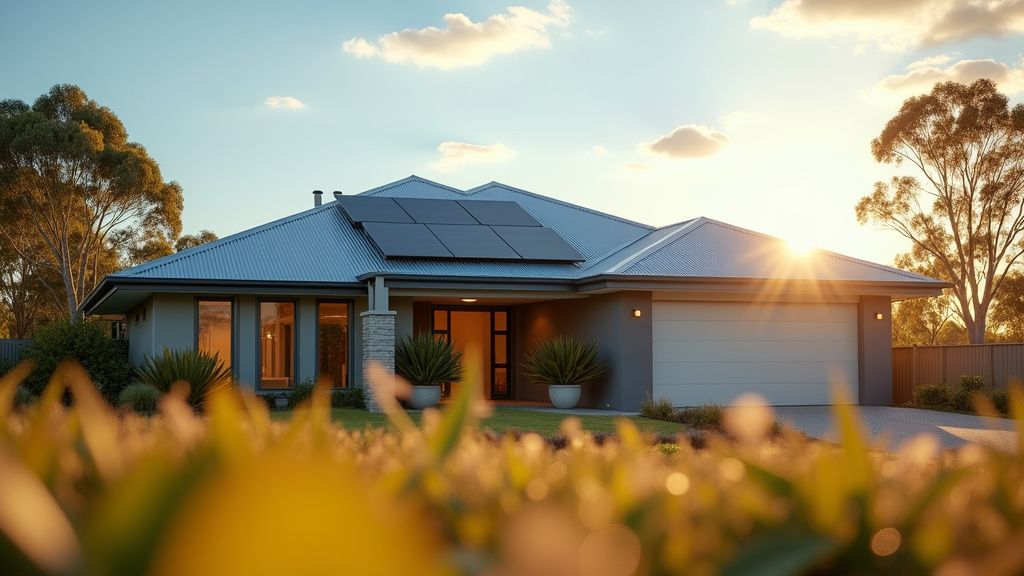
- Solar Panels: Ideal for off-grid adventures or sustainable living. Check if the power station is compatible with solar panels and the maximum input wattage it can handle. Remember, solar charging times will vary depending on weather conditions and the size of your solar panel setup.
- Car Charger (Cigarette Lighter): Convenient for recharging while on the road, but typically slower than AC charging.
- AC Wall Socket: This is the standard for at-home charging, and is usually the fastest way to charge a portable power station.
3. Battery Life and Longevity
Portable power stations utilise different battery technologies. Lithium-ion batteries are now the norm, offering a good balance of performance and lifespan. Consider the following:
- Charge Cycles: This refers to the number of times you can fully charge and discharge the battery before its capacity starts to degrade significantly. Newer lithium-ion batteries can offer thousands of cycles.
- Battery Maintenance: Like any lithium-ion battery, regular charging and usage are essential to maintain its health and prolong its lifespan. Avoid leaving it fully discharged for extended periods.
4. Size, Weight, and Portability
Portable power stations range in size from compact units suitable for charging phones and tablets to larger, heavier models capable of powering appliances. Think about where you'll be using it and how you'll be transporting it. A larger battery capacity usually means a heavier unit.
5. Warranty and Build Quality
A longer warranty generally indicates the manufacturer's confidence in their product. Look for models with a warranty of at least one year, and ideally longer. Physical durability is also crucial. Choose a model with a robust casing that can withstand the rigours of outdoor use or transportation.
6. Budget Considerations
Prices can range from a few hundred dollars to several thousand, depending on capacity, features, and brand. Balance your needs with your budget and prioritize the features that are most important to you.
7. Recycling
Consider what you will do with the battery once it has reached end-of-life. Currently, Australia's battery recycling scheme, B-cycle, only accepts batteries up to 5kg, which most power stations exceed. Check if the retailer offers a take-back program.
Making the Right Choice
Choosing the right portable power station requires careful consideration of your power needs, charging options, battery life, portability, and budget. By taking the time to assess these factors, you can find a power station that will provide reliable and convenient power for your Australian adventures and emergency preparedness.