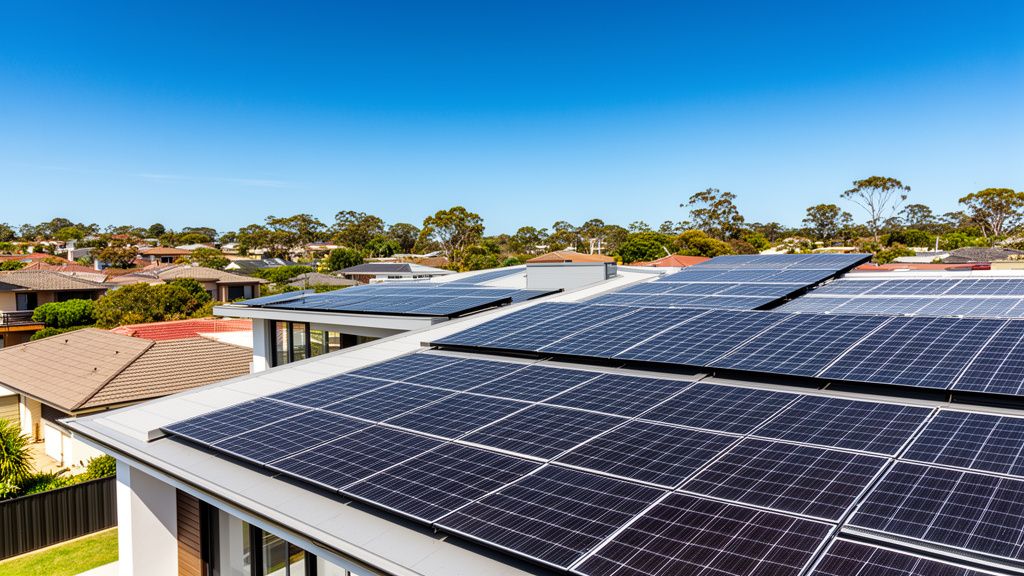
NSW's Slow Planning Process Adds Thousands to Solar Project Costs
TL;DR: The NSW planning application process for larger solar projects often takes months longer than expected and carries significant, avoidable costs for developers and consumers. These delays increase project expenses by tens of thousands of dollars, impacting renewable energy rollout speed and overall system affordability.
How Do Planning Delays Increase Solar Project Expenses?
Planning delays directly inflate the overall cost of solar projects, adding financial burdens that ultimately filter down to the consumer or reduce the project's viability. Every extra week a project sits in limbo awaiting approval translates into real cash outlays. This includes holding costs for equipment, increased labour expenses for re-scoping and paperwork, and the expiry of time-sensitive financial offers. For a commercial solar installation of, say, 100kW to 1MW, waiting an additional three to six months for approval can easily add $10,000 to $50,000 to the project’s price tag, depending on its scale and complexity. These costs are not theoretical; they represent direct hits to project budgets and profit margins for solar installers.
What are the Direct Financial Impacts?
Direct financial impacts stem from multiple sources. Firstly, equipment ordered often requires storage or may sit idle, incurring warehousing fees or depreciating before installation. More significantly, installer teams may need to re-allocate resources, meaning skilled electricians and installers move to other jobs, and bringing them back becomes a scheduling nightmare that can incur overtime or re-mobilisation costs. Furthermore, many solar quotes from suppliers and installers have validity periods, typically 30-60 days. Extended planning delays frequently mean these quotes expire, forcing a recalculation based on new, often higher, prices for panels, inverters, and mounting hardware. Financing costs also compound; if a business has secured a loan for a solar project, every month of delay adds interest payments without any energy savings to offset them.
How Do Delays Affect Project Feasibility?
Project feasibility suffers when delays stretch out the timeline, particularly for commercial clients seeking quick returns on investment. A project that initially promised a four-year payback period might extend to five or six years due to unforeseen administrative hold-ups, making it less attractive. Businesses budget for energy savings to start within a specific timeframe; when this timeframe blows out, the entire financial model shifts. For projects reliant on government incentives, such as the Small-scale Technology Certificates (STCs) or state-based grants, delays risk missing application windows or seeing the value of those incentives diminish over time. This uncertainty discourages investment, particularly from businesses that need predictable returns to justify capital expenditure.
Why Is NSW's Planning Approval Process So Slow for Solar?
NSW's planning approval process often lags for solar projects due to a combination of under-resourced local councils, a lack of specialised renewable energy planning expertise, and an overly complex regulatory framework not designed for rapid renewable deployment. While general development applications might flow, solar projects, particularly those over a certain size threshold, can hit bureaucratic bottlenecks. Councils, often operating with tight budgets and limited staff, struggle to process a growing volume of complex applications. Many planning departments lack dedicated solar or energy engineers who understand the technical specifics, leading to cautious and slow assessments. This often results in requests for more information that could be easily addressed by an experienced assessor.
Are Current Regulations Adequately Staffed?
Many NSW local councils are not adequately staffed to manage the increasing number of solar and battery storage applications efficiently. Planning departments commonly deal with residential and commercial building developments, not large-scale energy infrastructure. This means that applications for projects exceeding 100kW, which often fall under different planning pathways, get scrutinised by generalist planners. Without specific training or a mandate to fast-track renewable projects, these applications move through the same slow queues as any other development. The backlog grows, further exacerbating delays and increasing the time from initial submission to final approval. This capacity issue is a significant contributor to the prolonged timelines experienced by developers and businesses.


What Complexities Does the Process Introduce?
The NSW planning process introduces unnecessary complexities, especially for projects that should be straightforward. While critical for large, environmentally impactful developments, applying the same rigorous, often multi-agency consultation requirements to a commercial rooftop solar array or a small ground-mounted system feels disproportionate. Environmental impact statements, heritage checks, and extensive community consultations, while important in some contexts, become time sinks for many solar projects. These requirements force installers to engage consultants for reports that add thousands of dollars to the upfront cost and months to the timeline. Streamlined pathways for renewable energy projects, particularly those meeting specific size and location criteria, remain elusive, despite the state's push for a clean energy future.
What Are the Broader Consequences of Prolonged Delays?
Prolonged delays in NSW's solar planning process have far-reaching consequences beyond individual project costs, impacting the state's energy transition, economic growth, and ability to meet climate targets. Every stalled solar project delays the addition of clean energy to the grid, maintaining reliance on fossil fuels and pushing back the point at which NSW can achieve greater energy independence. This affects the overall pace of decarbonisation and creates uncertainty for future investment in the renewable sector. Businesses looking to expand their solar footprint or invest in new energy solutions might reconsider if the administrative hurdles prove too high or too unpredictable, taking their capital and jobs elsewhere.
Does This Slow Our Renewable Energy Transition?
Absolutely, prolonged delays directly impede NSW's renewable energy transition. The state has ambitious targets for emissions reduction and renewable energy uptake, but these are difficult to meet if administrative processes bottleneck deployment. Every commercial business, school, or community group that waits an extra six months for solar approval delays thousands of kilowatt-hours of clean electricity from entering the grid. This cumulative effect makes it harder to phase out coal-fired power stations and achieve energy security. Accelerating the approval process is not just about saving individual projects money; it is about enabling the collective shift towards a sustainable energy future for the entire state.
How Does This Impact Local Jobs and Investment?
The slow planning process directly hinders the growth of local jobs and investment within NSW's solar industry. When projects face unpredictable delays and increased costs, solar businesses become less competitive, and their ability to plan and scale operations is compromised. Fewer projects mean fewer jobs for electricians, installers, designers, and project managers in regional and metropolitan areas. It also discourages larger investment from solar developers who might choose states with more streamlined, predictable approval processes. A fast, clear, and efficient planning system signals to investors that NSW is open for renewable energy business, fostering economic growth and creating more green jobs across the state.
Key Takeaways
- NSW planning delays significantly increase solar project costs, adding tens of thousands to larger installations.
- These delays cause quotes to expire, inflate financing costs, and increase labour and storage expenses.
- The slow process stems from under-resourced councils and complex regulations not suited for rapid solar deployment.
- Prolonged delays directly slow NSW's renewable energy transition and hinder the creation of local jobs.
- Streamlining the planning process is crucial for achieving state clean energy targets and attracting investment.
Read More
For a comprehensive overview, check out our master guide: Read the Full Guide Here.