TL;DR: Since July 2025, the federal Cheaper Home Batteries discount has utilized the proven Small-scale Renewable Energy Scheme (SRES) framework to deliver upfront savings on home energy storage. This article explores how this tradeable certificate mechanism works, its roots in Australia's 25-year-old Renewable Energy Target (RET), and why the legislated 2030 wind-down means homeowners should act quickly to secure maximum benefits.
Harnessing the SRES for Battery Storage
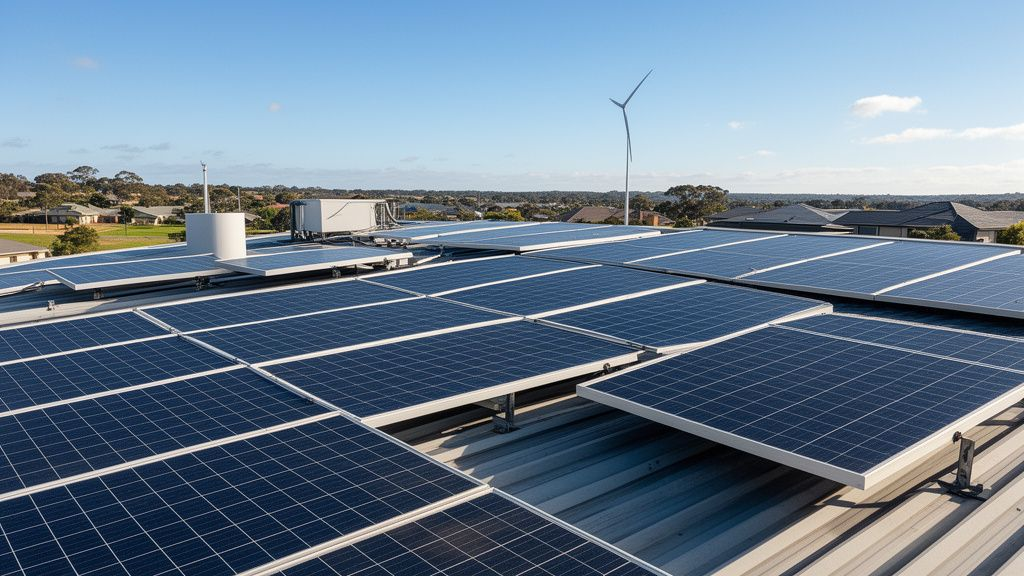
The Small-scale Renewable Energy Scheme (SRES) has been the quiet engine behind Australia's solar boom for over fifteen years. In July 2025, the federal government gave this proven mechanism a new and highly anticipated job: delivering the federal Cheaper Home Batteries discount.
Before this integration, home battery storage faced high upfront capital costs that deterred many households. By applying the SRES certificate structure to batteries, the government has made energy storage the fastest-growing segment of the clean energy industry. Homeowners can now receive a substantial discount directly on their quotes, making it easier than ever to pair solar panels with reliable storage.
How SRES Certificates Create Immediate Discounts
The SRES operates through a market of tradeable certificates known as Small-scale Technology Certificates (STCs). The design is elegant, self-sustaining, and funded entirely through the energy market rather than the federal budget:
- When an eligible solar or battery system is installed, a specific number of STCs are generated based on the system's expected clean energy performance over its remaining lifetime.
- Solar and battery installers typically purchase these certificates directly from the homeowner by applying their value as an immediate upfront discount on the system quote.
- Electricity retailers are legally obligated to purchase and surrender a set quota of these certificates every year, which maintains certificate value and funds the entire discount mechanism.
Because there are no annual budget fights or competitive grant rounds, the SRES provides a stable, legislated incentive that flows smoothly to consumers.


The Historical Success of the RET
The SRES is a direct branch of Australia's broader Renewable Energy Target (RET), which celebrated its 25th anniversary after commencing on April 1, 2001. When the RET first became law under the Renewable Energy (Electricity) Act 2000, it aimed for a modest 9,500 GWh of extra clean generation by 2010.
In 2009 and 2010, the RET was expanded with bipartisan support to a 20 per cent target by 2020 and split into two components: the Large-scale Renewable Energy Target (LRET) and the SRES. This split allowed the SRES to focus exclusively on small-scale household technologies. Today, this policy is responsible for putting solar panels on more than four million Australian rooftops, transforming Australia's energy mix from just 10% renewables in 2001 to well over a third today.
Navigating the Dec 2030 Phase-Out
While the SRES has been incredibly successful, it is legislated to have a finite lifespan. Under federal law, the entire RET scheme is scheduled to wind down and end on December 31, 2030.
To facilitate a smooth transition, the certificate discount shrinks slightly on January 1 of every year leading up to 2030. As a result, the value of both the traditional "solar rebate" and the new Cheaper Home Batteries discount will decrease annually. Homeowners who install their solar and battery systems early will capture the highest number of certificates and secure the largest possible upfront savings.
Key Takeaways
- New Battery Discount: Since July 2025, the SRES mechanism has delivered the federal Cheaper Home Batteries discount, driving massive industry growth.
- Upfront Savings: The scheme works via Small-scale Technology Certificates (STCs), which installers apply as an immediate discount on consumer quotes.
- Proven Legacy: The SRES is a product of the 25-year-old RET, which has successfully put solar systems on more than four million Australian roofs.
- Shrinking Incentives: The SRES is phasing out and will end on December 31, 2030, meaning the available discounts decrease at the start of every calendar year.