How Solar, Wind, and Batteries Slash Australia's Wholesale Electricity Prices
TL;DR: Renewable energy sources like solar and wind, combined with grid-scale batteries, significantly reduce Australia's wholesale electricity costs. They do this by providing cheap, zero-marginal-cost power, especially during peak demand, which lessens reliance on expensive fossil fuel generators and stabilises the grid.
How Do Renewables Impact Wholesale Electricity Costs?
Renewables like solar and wind fundamentally change wholesale electricity prices by introducing large volumes of energy with zero marginal cost of generation. Wholesale electricity price refers to the cost generators sell power to retailers on the National Electricity Market (NEM), which operates in five-minute intervals. Traditional coal and gas plants incur ongoing fuel expenses, maintenance, and carbon costs, meaning their marginal cost of producing each additional megawatt-hour is significant. Once built, solar panels and wind turbines use free fuel – sunlight and wind – resulting in a marginal cost of effectively zero. This dynamic means that whenever renewables are generating, they can offer their power at very low prices, often pushing more expensive fossil fuel generators out of the market. This phenomenon, known as the "merit order effect", significantly lowers the overall average wholesale price, especially during periods of high renewable generation. For instance, AEMO's quarterly reports often highlight how abundant solar supply in states like Queensland and South Australia drives daytime wholesale prices down.
Solar and Wind: The Price-Crushing Powerhouses
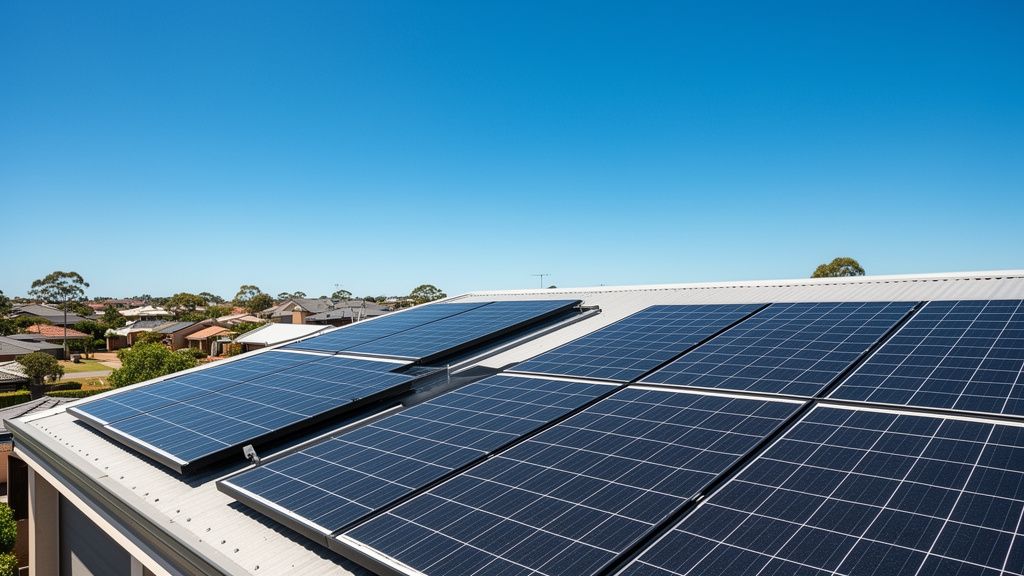
Large-scale solar farms and wind farms consistently reduce wholesale electricity prices, particularly during the day and in specific overnight periods. Rooftop solar systems, alongside utility-scale solar farms, flood the grid with cheap electricity during daylight hours. This abundance frequently causes wholesale spot prices in states like South Australia and Queensland to drop to zero, or even negative levels, during sunny afternoons. Negative prices occur when there is an oversupply of generation and some generators would rather pay to stay online than to shut down and restart later. Wind power complements solar by often generating strongly outside solar hours, such as overnight or during specific weather events, further diversifying the cheap supply. This combined influx of power from both sources reduces the need for expensive, quick-start gas generators, which traditionally set the price during peak demand or when supply is tight. Data from the Australian Energy Market Operator (AEMO) regularly shows a direct correlation between high renewable penetration and lower average wholesale electricity prices. For example, in Q1 2024, AEMO reported record low average prices in many regions, largely driven by increased solar and wind generation.


Batteries: Stabilising the Grid and Shifting Power
Grid-scale batteries are essential for stabilising prices by storing cheap renewable energy and deploying it precisely when grid demand and wholesale prices are highest. These large battery installations, such as the Hornsdale Power Reserve in South Australia or the Victorian Big Battery, absorb surplus solar and wind power when prices are low or even negative. They then discharge this stored energy into the grid during peak demand periods, typically the evening, when prices would otherwise skyrocket as expensive gas peaker plants fire up. This ability to shift power from periods of abundance to periods of scarcity effectively flattens price volatility, creating a more predictable and cheaper electricity market.
How Batteries Tackle Price Spikes
Batteries act as a crucial buffer against price spikes. Without them, the grid relies more heavily on gas generators to meet sudden increases in demand or when renewable output drops quickly. These gas plants are expensive to run. By dispatching stored energy, batteries reduce the need for these high-cost generators, directly lowering the maximum price spikes and overall average wholesale costs. They also provide essential grid services, known as Frequency Control Ancillary Services (FCAS), which help maintain grid stability and prevent blackouts. These services also command a price, and batteries are proving to be much faster and more cost-effective providers than traditional generators, further reducing overall system costs. This dynamic makes the grid more resilient and affordable.
Key Takeaways
- Renewables like solar and wind generate electricity with virtually no fuel cost, driving down wholesale prices.
- Large-scale solar and wind farms consistently lower average wholesale electricity prices, especially during high generation periods.
- Grid-scale batteries store cheap renewable energy and dispatch it during peak demand, preventing price spikes.
- The integration of renewables and batteries reduces Australia's reliance on expensive fossil fuel generators.
- This shift to a renewable-dominated grid makes electricity more affordable and stable for consumers in the long term.
Read More
For a comprehensive overview, check out our master guide: Read the Full Guide Here.