TL;DR: Australia increasingly combines batteries with wind and solar power to create stable, dispatchable hybrid renewable systems. These setups overcome intermittency, improve grid reliability, and allow both households and large-scale projects to manage energy supply more effectively. This integration drives greater energy independence and reduces reliance on fossil fuels.
Why Do Hybrid Renewable Systems Matter for Australia's Grid?
Hybrid renewable energy systems, combining batteries with wind and solar, address the natural intermittency of standalone renewable sources, making them essential for a stable energy grid in Australia. Solar panels generate power during the day, while wind turbines often produce more at night or on cloudy days, but neither offers a constant, predictable output on its own. Integrating battery storage smooths out these fluctuations, allowing energy generated at peak production times to be stored and then discharged when demand is high or when the wind dies down and the sun sets. This ability to dispatch power on demand transforms variable renewables into a more reliable and grid-friendly power source, helping Australia move away from coal and gas.
How Batteries Stabilise Renewable Output
Batteries act as a crucial buffer in hybrid systems, managing the ebb and flow of renewable generation. When a large solar farm overproduces during a sunny midday, or a wind farm experiences strong gusts, excess electricity charges the integrated battery bank. Later, as evening peaks occur or weather conditions change, the batteries discharge this stored energy back into the grid. This ensures a more consistent power supply, preventing sudden drops or surges that can destabilise grid operations. For example, a 100MW solar farm paired with a 50MWh battery can provide firm capacity for several hours, dispatching energy even after dark. This reduces the need for "spinning reserve" from traditional fossil fuel generators, which are kept online purely to cover renewable lulls.
Economic Advantages for Hybridisation
The economic case for hybrid systems strengthens as battery costs drop and grid services become more valuable. Storing excess renewable energy and discharging it strategically can capture higher wholesale electricity prices during periods of peak demand, often in the late afternoon or early evening. Large-scale hybrid projects, like the Hornsdale Power Reserve in South Australia, earn revenue by providing Frequency Control Ancillary Services (FCAS), which help keep the grid's frequency stable at 50Hz. Households with solar and batteries can reduce their reliance on grid power during expensive peak periods, lowering their overall electricity bills significantly. Some state governments, like Victoria, offer rebates for home batteries, making these systems more financially appealing to residents.
What Types of Hybrid Systems are Popular in Australia?
Australia sees various hybrid renewable system configurations, from single households looking for energy independence to large utility-scale projects bolstering national grid stability. The most common residential setup involves rooftop solar panels paired with a home battery. Larger commercial or industrial sites might use a similar solar-plus-battery combination but on a greater scale, sometimes adding a diesel generator for backup in off-grid applications. On the utility scale, the combination of wind farms and co-located battery storage is gaining traction, alongside solar farms with integrated large-scale batteries. These systems are designed to match the specific energy demands and resource availability of their location.
Residential and Small Business Hybrid Setups
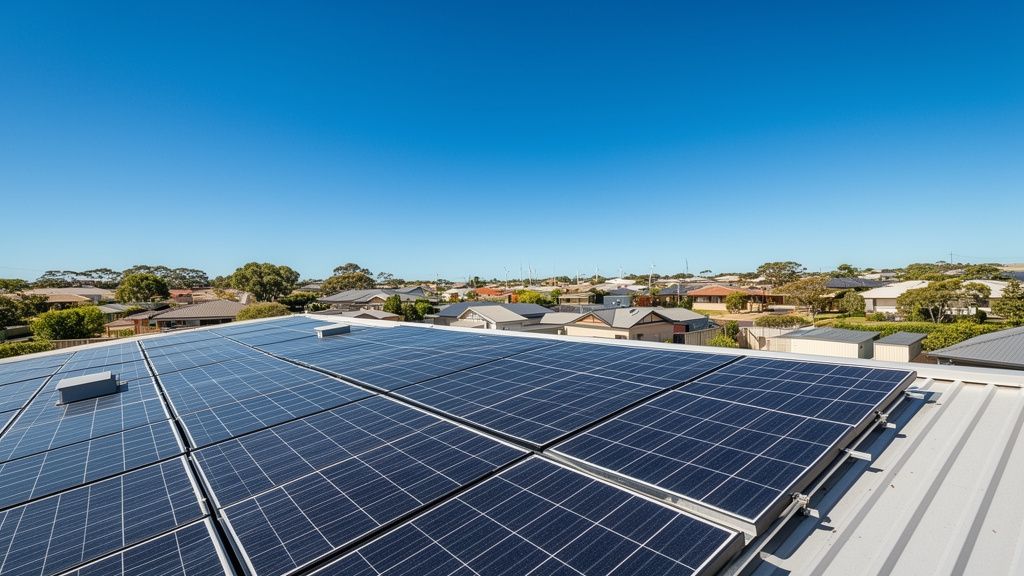
For Australian homeowners and small businesses, the primary hybrid system is solar PV combined with a battery. A typical 6.6kW solar system might be paired with a 10kWh to 13.5kWh battery, such as a Tesla Powerwall or a BYD Battery Box. This setup allows homes to store daytime solar generation and use it at night, dramatically reducing their reliance on grid electricity. Many households find they can cover 70-90% of their energy needs with such a system, paying less for power and securing energy independence. While the upfront cost for a solar and battery system can range from $15,000 to $25,000, state rebates like the South Australian Home Battery Scheme or Victorian Solar Battery Rebate can cut this by thousands of dollars.
Large-Scale Hybrid Renewable Projects
Australia is home to some world-leading large-scale hybrid renewable projects, particularly those combining wind or solar with massive battery storage. The Hornsdale Power Reserve, a 150MW/193.5MWh battery co-located with the Hornsdale Wind Farm in South Australia, demonstrates how batteries provide rapid response services to the grid. Other projects, like the Kidston Solar Project in Queensland, combine solar with pumped hydro storage, another form of energy storage. These large-scale hybrid sites improve grid reliability, reduce network congestion, and allow for a higher penetration of renewable energy across entire states. Their ability to deliver dispatchable power makes them a direct competitor to traditional fossil fuel power stations.

What Are the Operational Benefits of Australian Hybrid Renewables?
Hybrid renewable systems offer Australia significant operational benefits, improving the reliability and resilience of the national electricity market. By integrating storage, these systems provide a steady stream of power, effectively 'firming' up the variable output of wind and solar. This reduces the need for conventional power plants to ramp up and down quickly, easing strain on older infrastructure and making the grid more robust. Hybrid setups also increase energy security by diversifying supply and reducing dependence on single sources or imported fuels, especially for remote communities or critical infrastructure.
Enhancing Grid Stability and Reliability
Hybrid renewables enhance grid stability by offering quick-response power during sudden changes in supply or demand. If a large conventional generator trips offline, or if cloud cover suddenly affects a major solar farm, the integrated batteries in a hybrid system can inject power into the grid within milliseconds. This fast response helps maintain grid frequency and voltage, preventing blackouts or brownouts. The Australian Energy Market Operator (AEMO) recognises these services as critical for managing an increasingly renewable grid. Large battery installations, particularly when paired with wind or solar, have repeatedly proven their ability to prevent widespread outages and provide essential system strength.
Boosting Energy Independence and Security
For individual homes and for the nation, hybrid systems significantly boost energy independence. Households with solar and batteries become less susceptible to rising retail electricity prices and network outages. They can self-consume most of their generated power, only drawing from the grid when necessary. At a national level, a diverse portfolio of wind, solar, and battery storage reduces Australia's exposure to global fossil fuel price volatility and supply chain disruptions. It also decentralises power generation, making the overall energy system less vulnerable to attacks or failures at a single large facility. This shift creates a more secure, self-sufficient energy future for the country.
Read More
For a comprehensive overview, check out our master guide: Read the Full Guide Here.