TL;DR: Geopolitical instability in the Middle East directly impacts global fossil fuel prices and supply chains, highlighting Australia's vulnerability and accelerating the need for renewable energy. Investing in Australian solar power offers greater energy independence, price stability for households and businesses, and strengthens national security against external economic shocks.
How do geopolitical conflicts in the Middle East impact global energy markets?
Geopolitical conflicts in the Middle East significantly disrupt global energy markets primarily by threatening the supply and transit of oil and gas, leading to immediate price volatility and long-term uncertainty. This region remains a critical hub for global fossil fuel production and shipping lanes, meaning any instability there sends ripples through economies worldwide, including Australia's. Even though Australia is a net energy exporter, our domestic petrol prices, electricity costs, and manufacturing expenses are inextricably linked to international market prices for crude oil and natural gas. When conflicts escalate, the "war premium" added to oil prices can quickly translate to higher fuel costs at the bowser and increased operational expenses for businesses reliant on imported fuels or global supply chains.
The Volatility of Fossil Fuel Prices
The price of crude oil is extremely sensitive to perceived risks in the Middle East, as a substantial portion of the world's oil production and exports originate from or transit through the region. Even threats of disruption, let alone actual disruptions, can cause immediate spikes in global oil benchmarks like Brent Crude. For Australian consumers, this means higher petrol prices, increased costs for freight and logistics, and ultimately, an upward pressure on the cost of living. Businesses face unpredictable operating costs, making long-term planning difficult and potentially stifling investment and economic growth. This inherent volatility underscores the economic fragility of relying heavily on internationally traded fossil fuels.
Supply Chain Risks and Global Instability
Beyond direct price impacts, Middle Eastern conflicts introduce significant risks to global supply chains, affecting everything from manufacturing components to the delivery of goods. Major shipping routes, such as the Suez Canal and the Strait of Hormuz, are crucial for international trade, and their security can be compromised during periods of heightened tension. Disruptions in these chokepoints can delay shipments, increase insurance costs, and create bottlenecks, all of which contribute to higher import costs for Australia. For industries reliant on imported raw materials or machinery, this can translate to production delays and increased prices for consumers, further exposing the need for domestic, resilient energy solutions.
Why is energy independence crucial for Australia's future security and economy?
Energy independence is crucial for Australia's future security and economy because it insulates the nation from the volatility of global fossil fuel markets and enhances national resilience against external geopolitical shocks. By generating more of our energy domestically from abundant renewable resources like sun and wind, Australia can reduce its exposure to international price fluctuations and supply disruptions caused by conflicts in distant lands. This shift mitigates economic vulnerabilities, ensuring a more stable and predictable energy landscape for households, businesses, and critical infrastructure, thereby safeguarding our economic sovereignty and national security interests.
Reducing Exposure to Global Shocks
Australia's reliance on imported liquid fuels, despite being a major energy exporter, creates a strategic vulnerability. While we export large quantities of coal and gas, we still import a significant amount of refined petroleum products for transport. Geopolitical tensions, like those in the Middle East, directly threaten these supply lines and can drastically inflate import costs. Achieving energy independence through renewables means less reliance on these vulnerable global supply chains and less exposure to the political whims and military actions of other nations. This strategic autonomy allows Australia to maintain economic stability and ensure essential services continue uninterrupted, even during periods of international turmoil.
Economic Stability Through Domestic Generation
A robust, domestically sourced energy supply provides profound economic stability by decoupling local energy prices from volatile international fossil fuel markets. When Australian homes and businesses run on solar power generated right here on our sunburnt continent, they are less affected by a sudden spike in Brent Crude oil prices or a disruption to gas flows in Europe. This stability encourages long-term investment, creates local jobs in the renewable energy sector, and allows businesses to forecast energy costs more accurately. Furthermore, the decentralised nature of rooftop solar means that energy generation is spread across millions of homes and businesses, creating a more resilient grid less susceptible to single points of failure.
What role does rooftop solar play in strengthening Australia's energy resilience?
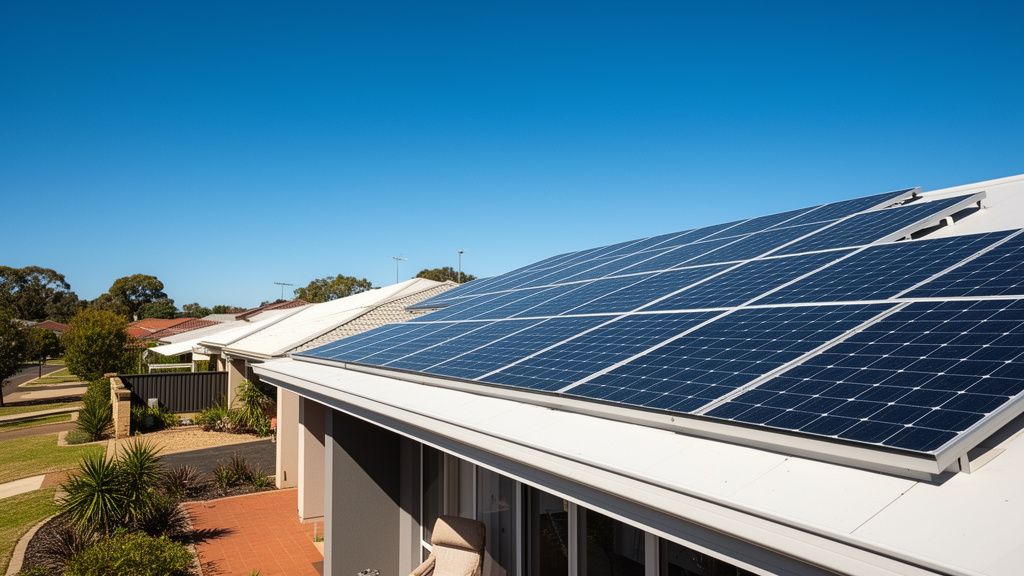
Rooftop solar plays a pivotal role in strengthening Australia's energy resilience by decentralising power generation, empowering individual households and businesses to become energy producers, and reducing strain on the national grid. Instead of relying solely on large, centralised power plants, a network of solar-equipped properties creates a distributed energy system that is inherently more robust against external shocks and internal grid failures. This widespread adoption contributes to a more secure and stable energy supply, lessening dependence on imported fuels and reducing exposure to international market volatility, directly addressing the vulnerabilities highlighted by Middle East conflicts.
Empowering Australian Households with Energy Autonomy
Installing rooftop solar grants Australian households and businesses a significant degree of energy autonomy, transforming them from mere consumers into prosumers. With battery storage, this autonomy is further enhanced, allowing properties to store excess solar generation for use during peak demand or grid outages. This not only reduces their electricity bills – often by hundreds or even thousands of dollars annually – but also provides a sense of security, knowing they have a reliable power source independent of the broader grid's vulnerabilities. For many, a typical 6.6kW solar system costing around $5,000 to $8,000 after rebates can drastically cut or even eliminate their daytime electricity bills.

The Grid Benefits of Distributed Solar
The widespread adoption of rooftop solar systems significantly benefits the national energy grid by reducing peak demand, especially during hot summer afternoons when air conditioners push the grid to its limits. This distributed generation also lessens the need for expensive infrastructure upgrades to transmit power over long distances from remote power stations. By generating electricity closer to where it's consumed, rooftop solar helps to stabilise local grid sections, reduce transmission losses, and provide a buffer against potential blackouts. This decentralised approach makes the entire energy network more resilient and less prone to systemic collapse in the face of unforeseen challenges.
What are the financial benefits for Australian households switching to solar amidst rising global energy costs?
Australian households switching to solar amidst rising global energy costs gain substantial financial benefits, primarily through significant reductions in their electricity bills and protection against future price hikes. By generating their own power, homeowners can effectively hedge against the volatility of the retail electricity market, which is increasingly influenced by global fossil fuel prices and supply chain disruptions. This investment not only offers immediate savings but also provides long-term financial stability, making solar a prudent economic decision in an unpredictable world.
Hedging Against Future Energy Price Hikes
Installing a solar system acts as a powerful hedge against the unpredictable and often upward trajectory of retail electricity prices. When global energy markets become unstable, as they do during Middle East conflicts, the cost of generating power from fossil fuels in Australia often rises, a cost passed directly onto consumers. By producing a substantial portion of their own electricity, solar homeowners lock in their energy costs at essentially zero for the generated power, for decades to come. This provides invaluable peace of mind and budget certainty, freeing up household funds that would otherwise be swallowed by escalating power bills.
Australian Incentives Making Solar More Accessible
Australia continues to offer compelling incentives that make switching to solar financially accessible for many households. The Small-scale Renewable Energy Scheme (SRES) provides a significant upfront rebate, reducing the initial purchase and installation cost of eligible solar systems. For instance, the rebate for a 6.6kW system can currently be between $2,500 and $3,500 depending on location and prevailing certificate prices, bringing down the net cost considerably. Coupled with state-based incentives like interest-free loans or additional rebates in Victoria or NSW, these programs drastically shorten the payback period for a solar system, typically to 3-5 years, making the transition not just environmentally responsible but also financially shrewd.
Key Takeaways
- Geopolitical conflicts in the Middle East drive global fossil fuel price volatility and supply chain risks, directly impacting Australian energy costs.
- Energy independence through renewables safeguards Australia's economy and national security from external shocks.
- Rooftop solar empowers households with energy autonomy, reducing electricity bills and enhancing grid resilience.
- Solar investment offers a significant hedge against future energy price hikes, providing long-term financial stability for Australian homes.
- Generous Australian government rebates and state incentives make solar installation more affordable, accelerating payback periods.
Read More
For a comprehensive overview, check out our master guide: Read the Full Guide Here.