TL;DR: Expanding Australia's electricity grid to support more solar and wind power brings significant costs. These transmission line upgrades, essential for a reliable renewable energy future, translate directly into higher network charges on your quarterly power bill, even as generation costs fall.
Why Do Transmission Lines Add to Your Electricity Bill?
Transmission lines connect power generators to homes and businesses, and Australia's large-scale shift to renewables demands substantial upgrades, driving up your network charges. Our existing grid was built for centralised, fossil fuel power stations, typically located closer to major population centres. Moving to a future powered by solar and wind farms means building new, high-capacity lines over long distances, often through remote areas. This is expensive work, and network companies pass these costs onto consumers through the "network charges" component of their electricity bill. This part of your bill often makes up a third or more of the total, covering the poles, wires, and maintenance of the grid. As the grid expands and modernises, so too do these charges.
How Does Solar Energy Increase the Need for Transmission?
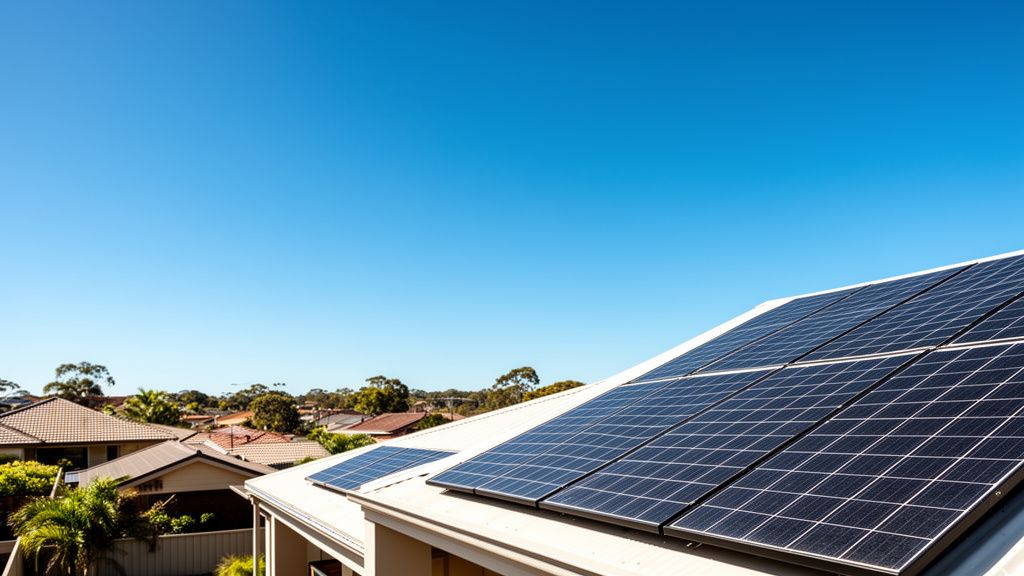
The growth of solar energy, both rooftop and utility-scale, profoundly changes how our grid operates. Rooftop solar generates power behind the metre, reducing demand from the grid during the day. However, it also means power flows two ways, requiring upgrades to local distribution networks. Furthermore, large solar and wind farms require vast open spaces, placing them hundreds of kilometres from major cities and existing infrastructure. Consider the new wind farms being built in western Victoria or large-scale solar projects in outback Queensland; these require entirely new transmission routes to get their clean power to places like Melbourne or Brisbane. The grid must also handle the variability of these energy sources, making a more flexible transmission network essential.
What Makes Building New Lines So Expensive?
Building new high-voltage transmission lines in Australia is a complex and costly undertaking. The process involves extensive environmental impact assessments to meet regulatory requirements and community consultation to address concerns from landowners and regional residents. Land acquisition for easements often takes years and significant negotiation. The physical construction demands specialised labour, high-grade materials like steel and copper, and heavy machinery, all subject to rising global prices. Major projects, such as the 900-kilometre Humelink interconnector in New South Wales or Project EnergyConnect between South Australia and New South Wales, involve thousands of kilometres of new lines, sub-stations, and control systems, collectively costing billions of dollars. These factors drive the final price tag for network expansion.
How Much Do Transmission Upgrades Cost Australian Households?
Australian households already pay a portion of network costs through their electricity bills, and planned network investments will likely see these charges increase by hundreds of dollars annually over the next decade. The Australian Energy Market Operator (AEMO) forecasts significant investment in its Integrated System Plan (ISP), which outlines the necessary grid infrastructure for a renewable future. The sheer scale of these projects means a substantial financial burden. While these upgrades promise a more reliable and sustainable energy supply long-term, their upfront cost directly impacts household budgets through network charges.
Who Pays for These Network Investments?
The Australian Energy Regulator (AER) approves the amount network companies can charge for using their infrastructure. These "network charges" typically account for 30-50% of an average residential electricity bill. Network companies, such as Ausgrid in NSW, Energex in Queensland, or SA Power Networks, propose their investment plans to the AER. Once approved, the costs for building and maintaining transmission and distribution lines are passed directly to consumers. This system means every household and business that connects to the grid contributes to the cost of these essential infrastructure upgrades, irrespective of their personal energy consumption habits.
Specific Examples of Grid Investment and Price Impacts
AEMO's Integrated System Plan (ISP) identifies roughly $30-$40 billion in new transmission investment required by 2030 across Australia. Projects like Project EnergyConnect, connecting New South Wales and South Australia, cost over $3 billion. Humelink, a major new line in New South Wales, costs another $3 billion. These multi-billion-dollar investments are essential for connecting new renewable energy zones and strengthening the grid. The AER has indicated that these network investments could add $100 to $200 per year to the average Australian household's electricity bill by 2030, primarily from increased network costs. These figures highlight the direct financial impact of our clean energy transition on individual households.
What Solutions Are There for Managing Transmission Costs?
Mitigating the impact of transmission costs involves a combination of smart grid technology, strategic policy, and using distributed energy resources more effectively. Australia is not simply building more poles and wires; we are also investing in technologies that make the grid smarter and more efficient. Better forecasting, advanced control systems, and dynamic line ratings can help existing infrastructure carry more power without always needing entirely new lines. Furthermore, government policies aim to streamline approvals for critical projects, potentially reducing some of the administrative costs and delays associated with large-scale infrastructure development.
The Role of Government Policy and Network Planning
Government policy and coordinated network planning, led by bodies like AEMO, aim to minimise the overall cost of the energy transition. The Integrated System Plan provides a roadmap, identifying the most efficient investments needed to reach renewable targets. States establish Renewable Energy Zones (REZs) to cluster new generation projects and transmission lines in specific areas. This approach limits the overall footprint of new infrastructure and concentrates investment, potentially reducing per-unit costs compared to a more ad-hoc build. The AER's regulatory framework also works to ensure network companies propose efficient and prudent investments, preventing excessive costs from being passed onto consumers.
Distributed Energy and Local Storage as Alternatives
Using distributed energy resources and local storage provides another strategy for managing transmission costs. Rooftop solar paired with home batteries can reduce a household's reliance on the main grid, decreasing both the amount of power it draws and the amount it exports. This lessens strain on local distribution networks and reduces the need for long-distance transmission from centralised generators. Community batteries, installed in neighbourhoods, can absorb excess local solar generation and discharge it during peak demand periods. These localised solutions help balance the grid at a micro-level, potentially deferring or reducing the need for some large-scale transmission upgrades by managing supply and demand closer to the point of consumption.
Key Takeaways
- Expanding Australia's grid for renewable energy adds significant network charges to your electricity bill.
- New transmission lines are expensive due to land acquisition, environmental approvals, and construction costs for remote projects.
- The AER estimates network charges could increase household bills by $100-$200 annually by 2030.
- Smart grid technology, coordinated planning through REZs, and local storage can help manage these costs.
- Home batteries and community batteries reduce reliance on long-distance transmission by balancing local energy use.
