SolarInsights: Powering Tomorrow, Today
The Future of Solar Batteries: Emerging Trends and Technologies in Australia
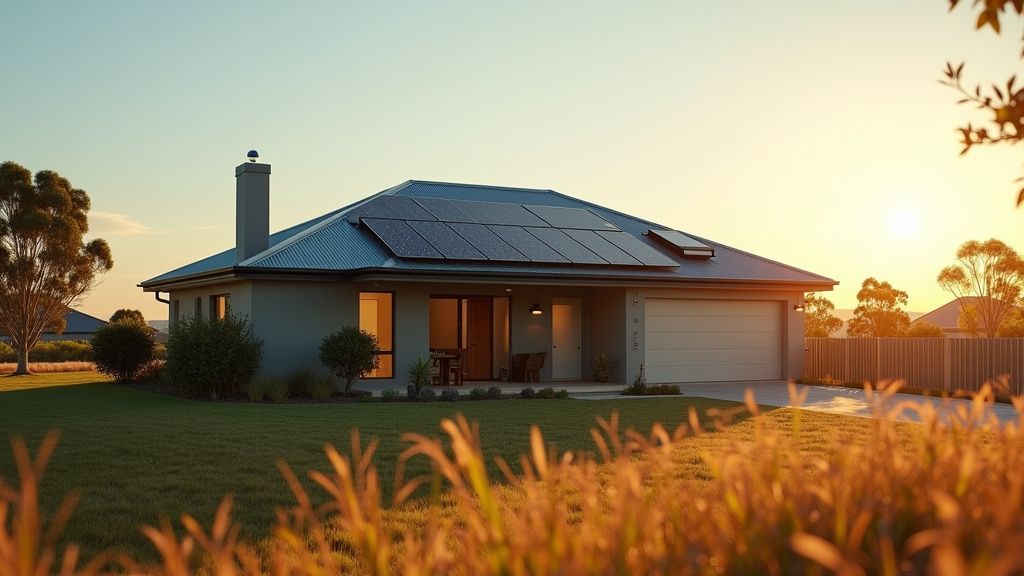
Australia, blessed with abundant sunshine, is a global leader in solar energy adoption. But harnessing the sun's power is only half the battle. Storing that energy efficiently is where the future lies, and solar batteries are the key. As we look towards 2025 and beyond, the landscape of Solar Battery technology is rapidly evolving, promising greater efficiency, affordability, and sustainability for Australian homes and businesses. To dive deeper, check out our Complete Guide for an extensive look at the best options.
Beyond Lithium-Ion: The Next Generation of Battery Tech
While lithium-ion batteries have become the standard for solar storage, innovation is pushing the boundaries of what's possible. Several exciting technologies are on the horizon:
-
Solid-State Batteries: Imagine a battery that's safer, more efficient, and packs more power into a smaller size. That's the promise of solid-state batteries. By replacing the liquid electrolyte with a solid material, these batteries become less prone to overheating and potential fires. Their increased energy density means you can store more kilowatt-hours in a smaller footprint, making them ideal for space-constrained homes.
-
Lithium-Iron Phosphate (LFP) Batteries: Even within lithium-ion technology, advancements are being made. LFP batteries stand out for their improved longevity and superior thermal stability – crucial for enduring Australia's hot summers. Furthermore, LFP batteries reduce the reliance on environmentally problematic materials like cobalt, offering a more sustainable choice. Ongoing refinements of LFP and other lithium-based technologies will likely solidify their significance in the Australian Solar Battery market.
-
Flow Batteries: For large-scale energy storage, flow batteries present a compelling alternative. Unlike traditional batteries with fixed components, flow batteries store energy in liquid electrolyte solutions housed in external tanks. This unique design enables them to store vast amounts of energy and boasts a significantly longer lifespan. This makes them particularly attractive for commercial, industrial, and even off-grid applications where high energy demands need to be met. Expect to see flow batteries gain traction in Australia as a preferred solution for those with substantial energy requirements.
Smart Energy Management: AI-Powered Solar Battery Systems


The future of solar batteries isn't just about the hardware; it's also about the software that manages them. A growing trend is the integration of solar batteries into hybrid systems combining various energy sources – solar, wind, and even grid electricity. What truly elevates these systems is the incorporation of Artificial Intelligence (AI).
AI algorithms can predict energy needs, manage peak loads, and optimize energy storage, leading to enhanced efficiency and reduced costs. By intelligently managing your power consumption, AI-integrated Solar Battery systems allow for more effective control, ultimately increasing savings and reducing reliance on the grid. This trend is expected to gain significant momentum as more Australians embrace solar storage.
Driving Down Costs: Making Solar Batteries Accessible to All
The upfront cost has long been a barrier to widespread Solar Battery adoption. However, several converging factors are poised to make solar batteries more affordable and accessible in the coming years:
- Economies of Scale: As demand for solar storage soars, manufacturers are ramping up production, creating economies of scale. Increased production volume leads to lower manufacturing costs, which are then passed on to consumers.
- Manufacturing Advancements: Continual improvements in manufacturing processes are expected to further drive down the cost of solar power backup systems.
- Government Incentives: Both federal and state governments are actively incentivizing solar storage through rebates and financial assistance. These programs are likely to expand, providing crucial support for homeowners and businesses investing in solar batteries. The Australian government, for instance, has a $2.3 billion initiative designed to reduce the initial cost of home battery systems by roughly 30%.
- Second-Life Batteries: An innovative approach gaining traction involves repurposing electric vehicle (EV) batteries for use in solar storage. These "second-life" batteries retain a significant amount of their original capacity and can be integrated into solar storage systems at a fraction of the cost of new batteries. This approach not only reduces costs but also promotes sustainability by extending battery lifespan and reducing waste.
The Road Ahead
The future of solar batteries in Australia is bright. With continuous technological advancements, decreasing costs, and supportive government policies, solar battery storage is poised to transform the way we generate, store, and use energy. By embracing these emerging trends and technologies, Australians can unlock the full potential of solar power, creating a more sustainable and energy-independent future.