The Cost of Resilience: Is Modernizing Queensland's Grid Worth It?
Queensland, the Sunshine State, has been anything but sunny lately for many residents facing increasingly frequent and prolonged power outages. Intense storms, exacerbated by climate change, are knocking out power to homes and businesses with alarming regularity. But is there a solution? And more importantly, can we afford it? Let's dive into the costs and benefits of modernizing Queensland's electricity grid and ask, "Is it worth it?"
The recent experiences of Queenslanders like Grayson Cavanagh, who endured a sweltering night in her Brisbane apartment after a storm knocked out power, are becoming all too common. Losing power isn't just an inconvenience; it can have significant financial and social consequences. Cavanagh estimates she lost around $200 worth of food after her fridge failed. Beyond the food spoilage, vulnerable residents, such as the elderly in apartment buildings, face serious mobility issues when lifts stop working. These are real problems, impacting real people.
The Problem: An Aging and Vulnerable Grid
Queensland's existing electricity grid, in many areas, is simply not robust enough to withstand the increasing intensity and frequency of extreme weather events. Traditional, centralized power grids are vulnerable to widespread outages when a single point of failure occurs, such as a downed power line. The Australian Energy Market Operator (AEMO) has even highlighted the risk of potential blackouts in Queensland due to supply challenges.
The Proposed Solutions: Microgrids and AI
So, what are the proposed solutions? Experts suggest two key strategies for bolstering grid resilience:
-
Microgrids: These are localized energy grids that can operate independently from the main grid. Think of them as miniature power grids serving specific communities or even individual buildings. During a major outage, a microgrid can disconnect from the main grid and continue to provide power to its users, ensuring essential services remain online. Energy Queensland is currently trialling microgrids in remote areas, to assess the technology.
-
Artificial Intelligence (AI): AI can play a crucial role in predicting and responding to power outages more effectively. By analyzing real-time data from sensors and weather forecasts, AI algorithms can anticipate potential problems and automatically reroute power or deploy repair crews to affected areas. This rapid response can minimize the duration and impact of outages.


The Price Tag: A Multi-Million Dollar Question
The million-dollar (or perhaps multi-million dollar) question is: how much will it cost to implement these solutions? Energy Queensland notes that each microgrid comes with a significant price tag and needs to be financially sustainable. Implementing AI-powered grid management systems also requires substantial investment in software, hardware, and data infrastructure.
Here's a breakdown of the costs and considerations:
-
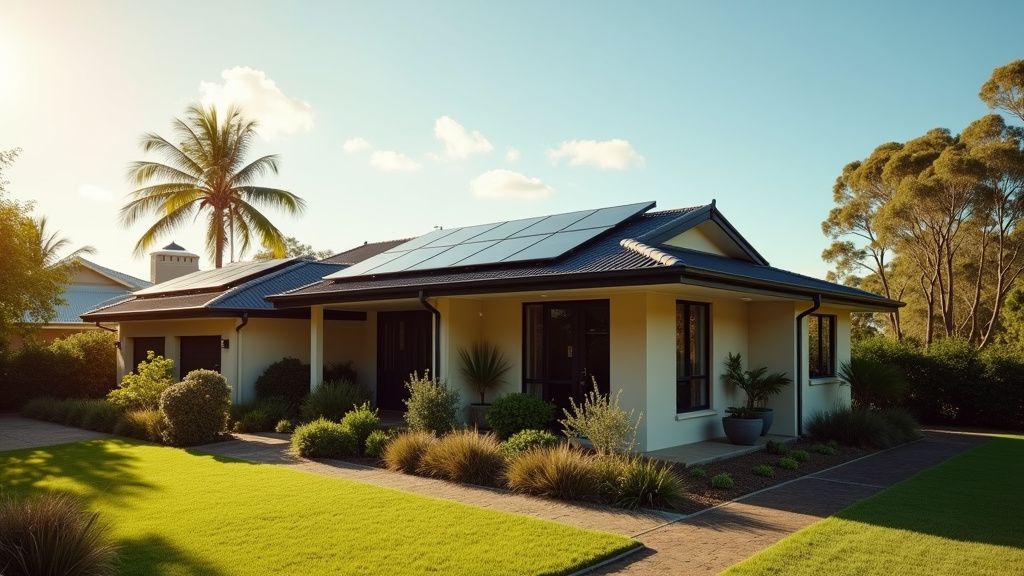
Microgrids: Initial investment is high due to the need for distributed generation (solar panels, batteries, etc.), advanced control systems, and specialized equipment. However, microgrids can reduce reliance on the main grid, lowering transmission costs and improving energy security in the long run.
-
AI-powered Grid Management: Requires significant investment in data analytics platforms, sensors, and cybersecurity measures. Ongoing maintenance and software updates are also essential. The benefits include faster outage detection and response, improved grid stability, and optimized energy distribution.
Is It Worth the Investment?
Ultimately, the decision to modernize Queensland's grid requires a careful cost-benefit analysis. We need to weigh the upfront investment against the long-term economic, social, and environmental benefits. Consider:
- Reduced Outage Costs: Less spoiled food, fewer business interruptions, and reduced reliance on expensive backup generators. The cumulative cost of widespread power outages can be enormous.
- Improved Community Resilience: Enhanced energy security for vulnerable populations, critical infrastructure (hospitals, emergency services), and essential businesses.
- Economic Development: A more reliable grid can attract new businesses and investment to Queensland.
- Environmental Benefits: Integrating more renewable energy sources into the grid can reduce greenhouse gas emissions and combat climate change.
While the initial cost of modernizing Queensland's grid is substantial, the potential benefits are equally significant. As climate change continues to bring more extreme weather events, investing in grid resilience is not just a luxury; it's a necessity. We must ask ourselves, can we afford not to modernize? While it's a significant upfront cost, in the long run, it could prove to be a vital investment in Queensland's future.