TL;DR: Australia's electricity grid is transforming from a centralised system built for predictable fossil-fuel generation and specific peak demand periods to a decentralised, dynamic network. This shift accommodates variable renewable energy sources like solar and wind, requiring new technologies and consumer participation to ensure grid stability and efficiency.
What Problems Did Australia's Old Grid Design Create?
Australia's traditional electricity grid was designed in the 20th century around large, centralised coal and gas-fired power stations. These generators provided a consistent, predictable supply of "baseload" power. The grid then built extra capacity, often older and less efficient plants, to meet short periods of extreme demand, typically on hot summer afternoons or cold winter evenings. This "just-in-case" approach meant a lot of expensive infrastructure sat idle for much of the year, incurring significant maintenance costs that were passed on to consumers. Furthermore, this heavy reliance on fossil fuels contributed to high carbon emissions and made the grid vulnerable to fuel price volatility and mechanical failures at large single-point generators. The inflexibility of these large plants also made it difficult to integrate smaller, distributed energy sources effectively.
The Cost of Peak Demand
Designing a grid for peak demand meant investing billions into infrastructure that only operated efficiently for a small fraction of the year. For instance, a power plant might be needed for only a few hundred hours annually to cover the hottest days in summer. These assets needed to be maintained year-round, adding fixed costs to electricity bills. This older model also encouraged a "build more generation" mindset rather than focusing on managing or reducing demand. When a heatwave pushed demand higher, network operators frequently issued calls for consumers to cut back usage to avoid blackouts, illustrating the system's inherent limitations and lack of real-time flexibility.
How Do Renewables Change Grid Dynamics?
Renewable energy sources fundamentally alter how our grid operates by introducing variability. Solar power peaks around midday, while wind power fluctuates based on weather conditions, not consumer demand. This contrasts sharply with the predictable output of a coal power station. Managing these variable inputs requires a more dynamic and responsive grid. Traditional generators struggle to ramp up and down quickly enough to balance supply and demand when solar production drops as the sun sets. This phenomenon creates what energy experts call the "duck curve," where net demand for grid power dips significantly during the day due to solar, then rapidly spikes in the evening. This steep ramp-up challenges existing infrastructure and creates periods of high wholesale prices.
The Solar Duck Curve Challenge
The "duck curve" illustrates the impact of high rooftop solar penetration on grid demand. During sunny hours, particularly mid-morning to mid-afternoon, household solar generation reduces the amount of electricity pulled from the main grid. This can cause the net demand profile to resemble the belly of a duck. As the sun begins to set and solar generation declines, household demand for electricity often rises as people return home and switch on appliances. This combination leads to a sharp, rapid increase in net demand from the grid in the late afternoon and early evening, forming the "neck" of the duck. Grid operators face significant challenges meeting this sudden surge, requiring fast-reacting generators or energy storage solutions to maintain stability and prevent price spikes.
What New Technologies Are Reshaping the Grid?
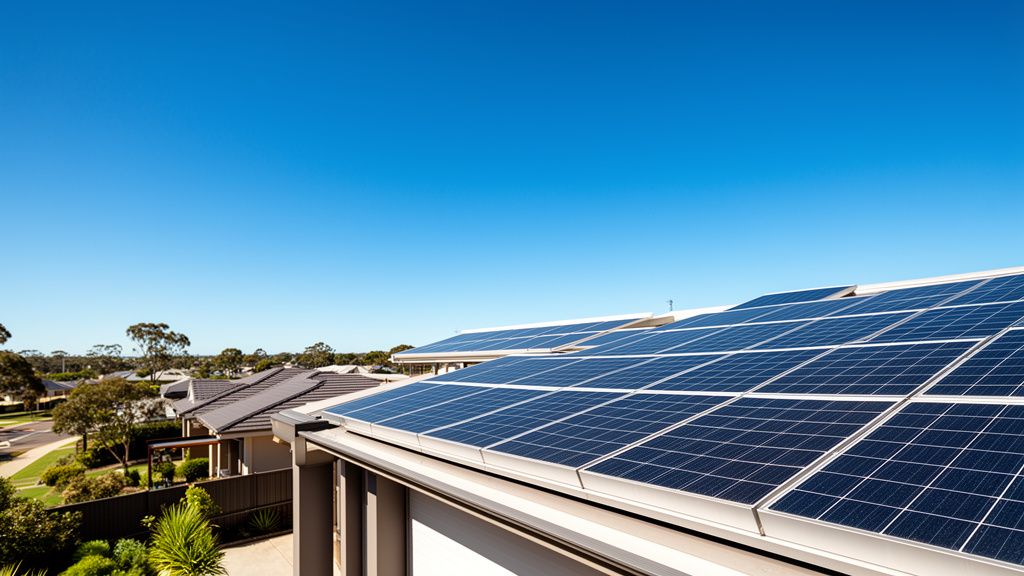
New technologies are essential to transforming our grid into a renewable powerhouse. Battery storage, both at utility scale and in homes, stands out. Large-scale batteries, like the 300MW/450MWh Victorian Big Battery near Geelong, can inject or absorb power in milliseconds, stabilising the grid and storing excess solar and wind for later use. At the household level, smart inverters and home batteries allow solar owners to store their own energy and potentially participate in Virtual Power Plants (VPPs). These VPPs aggregate distributed home batteries, allowing them to act as a single, large-scale storage unit, selling power back to the grid during peak times or supporting grid stability services. Advanced software and control systems orchestrate these diverse assets, turning individual homes into mini power stations and balancing dynamic supply and demand.
Virtual Power Plants and Consumer Control
Virtual Power Plants (VPPs) are changing the game for energy consumers. A VPP links numerous small energy resources, like home solar systems and batteries, across a wide area using smart software. Instead of relying solely on one large power station, the VPP can collectively draw power from or feed power back into the grid using thousands of individual home batteries. This creates a flexible, distributed network. Participating homeowners, for example, might get paid by their retailer an annual credit of $200-$500 for allowing their battery to be dispatched by the VPP during periods of high grid demand. This benefits the grid by providing rapid response capacity and stabilising supply, while also giving consumers an active role in the energy market and helping them lower their overall energy costs.
Key Takeaways
- Australia's old grid relied on large, inflexible fossil fuel generators designed to meet infrequent peak demands, leading to high costs and emissions.
- Integrating variable solar and wind power requires a more flexible grid that can manage rapid changes in supply and demand, like the "duck curve" challenge.
- New technologies such as utility-scale batteries, home battery storage, and smart inverters are critical for grid stability and efficient renewable energy use.
- Virtual Power Plants (VPPs) empower consumers by aggregating home batteries to provide grid services, potentially earning participants credits while supporting the transition to renewables.
Read More
For a comprehensive overview, check out our master guide: Read the Full Guide Here.