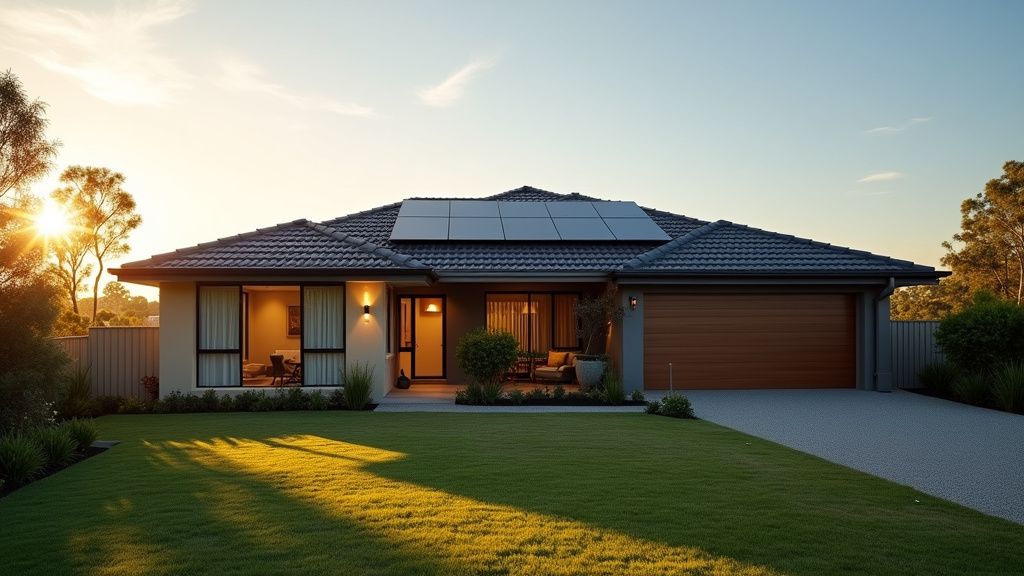
Tilt Frames: Are They Worth It for Your 6.6kW Solar System?
Thinking about installing a 6.6kW solar system on your Aussie roof? That’s a great way to slash your electricity bills and do your bit for the environment. But have you considered tilt frames? While modern solar panel technology has made installation simpler, tilt frames can still offer some advantages, depending on your specific circumstances. Let's delve into whether tilt frames are a worthwhile investment for your 6.6kW solar system.
If you are looking to learn more, you should read our Complete Guide.
What are Tilt Frames?
Tilt frames are essentially mounting structures that raise your solar panels at an angle, rather than laying them flat against your roof. These frames are typically made from aluminum or steel and are designed to securely hold your panels in place.
The Potential Benefits of Tilt Frames
So, why might you consider using tilt frames? Here are some potential benefits:
- Optimized Angle for Sunlight Capture: Solar panel performance is at its best when sunlight hits them directly. The ideal angle for maximum solar energy capture is roughly aligned with your latitude. Tilt frames allow you to adjust the angle of your panels to better align with the sun's path throughout the year.
- In many parts of Australia, a pitch of 20 to 30 degrees facing north will give a good yield. In remote areas where grid power is unavailable, much steeper angles may be desirable to capture winter sunlight.
- Increased Energy Production: By optimizing the angle, tilt frames can potentially increase the amount of energy your system generates, especially during the winter months when the sun is lower in the sky. While the percentage increase may not be massive in all locations, even a small improvement can add up over the lifespan of your system.
- Self-Cleaning Effect: Panels that are tilted at least 10 degrees tend to self-clean more effectively. The angle allows rainwater to wash away dust, dirt, and debris that can accumulate on the panel surface and reduce efficiency. If your panels are nearly flat, you might need to manually clean them periodically.
- Improved Airflow and Cooling: Tilt frames create a gap between the solar panels and your roof. This allows for better airflow, which can help to keep the panels cooler. Cooler panels operate more efficiently.
- Overcoming Roof Limitations: If your roof faces east, west or even south, a tilt frame can allow the panels to be angled towards the north.
Are Tilt Frames Always Necessary?
While tilt frames offer several potential advantages, they aren't always essential, or even the most cost-effective solution.


- Cost: Tilt frames add to the overall cost of your solar system installation. Given how much cheaper solar panels have become, the expense of the frames and their installation might outweigh the marginal gains in energy production.
- Aesthetics: Tilt frames can alter the appearance of your roof. Some homeowners might not like the look of tilted panels, preferring the sleek, flush appearance of panels mounted directly onto the roof.
- Wind Load: Tilt frames increase the surface area exposed to the wind, which can put additional stress on your roof. This is particularly important in areas prone to high winds or cyclones. Engineering certification to ensure the system is adequately secured is necessary.
- Shading Mitigation: If you’re dealing with shading issues, it might be more practical to install more panels on an unshaded area of your roof rather than using tilt frames to try and squeeze more energy out of a shaded location.
Making the Right Decision for Your 6.6kW System
So, how do you decide whether tilt frames are right for your 6.6kW solar system? Here's a checklist:
- Assess Your Roof Orientation: A north-facing roof is generally ideal for solar panel installation without tilt frames. East or west-facing roofs might benefit more significantly from tilting.
- Evaluate Shading Issues: Identify any potential shading from trees, buildings, or other obstacles. If shading is a major concern, consider panel placement, panel optimizers, or microinverters as alternative solutions.
- Consider Your Location's Latitude: Research the ideal tilt angle for your specific location in Australia to determine how much of a difference a tilt frame could make.
- Get Multiple Quotes: Obtain quotes from several solar installers, and discuss the pros and cons of tilt frames with them. Ask for detailed energy production estimates with and without tilt frames.
- Weigh the Costs and Benefits: Carefully compare the cost of tilt frames against the potential increase in energy production and the other benefits they offer.
In Conclusion
Tilt frames can be a valuable addition to a 6.6kW solar system in certain situations. By optimizing the angle of your panels, they can potentially increase energy production, improve self-cleaning, and overcome roof limitations. However, they also add to the cost of your system, can affect aesthetics, and may not be necessary if you have a north-facing roof with minimal shading.
Ultimately, the decision of whether or not to use tilt frames is a personal one that depends on your individual circumstances. By carefully considering the factors outlined above and consulting with qualified solar professionals, you can make an informed choice that will help you maximize the performance of your 6.6kW solar system and save money on your electricity bills for years to come.