Queensland's Energy Future: Are We Heading for a Reliability Gap?
Queenslanders are used to sunshine, but are we prepared for a potential energy shortage? The Australian Energy Market Operator (AEMO) has recently flagged a concerning possibility: a reliability gap looming on the horizon for the sunshine state. This isn't just a hypothetical scenario; it's a serious warning that demands attention from policymakers, energy providers, and everyday consumers like you and me. To understand the potential implications and possible solutions, explore this Complete Guide.
So, what exactly is a "reliability gap" and why should we be worried? In simple terms, it means that the projected electricity supply may not be sufficient to meet peak demand in the coming years. This could lead to planned or unplanned power outages, impacting homes, businesses, and vital infrastructure. AEMO, the organization responsible for overseeing the National Electricity Market (NEM), has been consistently highlighting this risk in their reports, prompting urgent discussions and calls for increased investment in new generation and storage capacity.
The Queensland Context: A Perfect Storm?
Queensland's energy landscape is unique. We're a vast state with a growing population, increasing electrification (driven by initiatives like electric vehicles and heat pumps), and a reliance on coal-fired power plants that are nearing the end of their operational lifespan. Add to this the intermittent nature of renewable energy sources like solar and wind, and you have a complex equation that needs careful management.
AEMO's warnings stem from several factors, primarily:
- Retiring Coal-Fired Power Stations: Several of Queensland's aging coal plants are scheduled to retire in the next decade. Replacing this capacity with sufficient and reliable alternatives is a significant challenge. These power plants are a major player in supplying electricity, and their shutdown can leave a large gap to fill.
- Increasing Electricity Demand: Queensland's population is booming, and with that comes increased demand for electricity. The shift towards electric vehicles and the electrification of heating and other household appliances is further exacerbating this trend. The more people that move and the more electricity devices people use, the higher the electricity demand becomes.
- Intermittency of Renewable Energy: While Queensland is a leader in solar energy adoption, solar power generation is inherently variable, dependent on weather conditions and time of day. Over-reliance on only one form of energy, such as solar, may have a negative impact on energy supply in Queensland.
- Challenges in Developing New Infrastructure: Building new power plants and transmission lines can be a lengthy and complex process, often facing regulatory hurdles, community opposition, and financing challenges. New technologies are emerging that aim to solve those problems but these technologies also take time to be deployed in the field.
What Does This Mean for Queenslanders?
A reliability gap has several potential consequences for Queensland residents:
- Increased Risk of Blackouts: The most immediate concern is the increased risk of planned or unplanned power outages, particularly during periods of peak demand, such as hot summer afternoons when air conditioners are running at full blast.
- Higher Electricity Prices: As supply becomes tighter, electricity prices are likely to increase. This will put a strain on household budgets and could impact the competitiveness of Queensland businesses. A rise in prices could mean having to make a tough decision between eating and cooling your house.
- Impact on Economic Growth: Reliable and affordable electricity is essential for economic activity. A reliability gap could stifle investment and hinder Queensland's future growth.
What Can Be Done?
Addressing the potential reliability gap requires a multi-pronged approach:
- Investment in Renewable Energy and Storage: Queensland needs to accelerate investment in renewable energy projects, including solar, wind, and pumped hydro storage. Battery storage, in particular, can play a crucial role in smoothing out the intermittency of renewable energy sources.
- Transmission Network Upgrades: The existing transmission network needs to be upgraded to efficiently transport electricity from renewable energy projects to areas of high demand. Connecting renewable projects to cities helps ensure reliable power.
- Demand Response Programs: Encouraging consumers to reduce their electricity consumption during peak periods through demand response programs can help alleviate pressure on the grid. This may include offering incentives for reducing electricity use when demand is high.
- Smart Grid Technologies: Investing in smart grid technologies, such as advanced metering infrastructure and grid automation, can improve the efficiency and reliability of the electricity system. The faster electricity can be delivered and the more consistent the electricity is, the less impact it will have on users.
What Can You Do?
As consumers, we can also play a role in ensuring a reliable and sustainable energy future for Queensland:
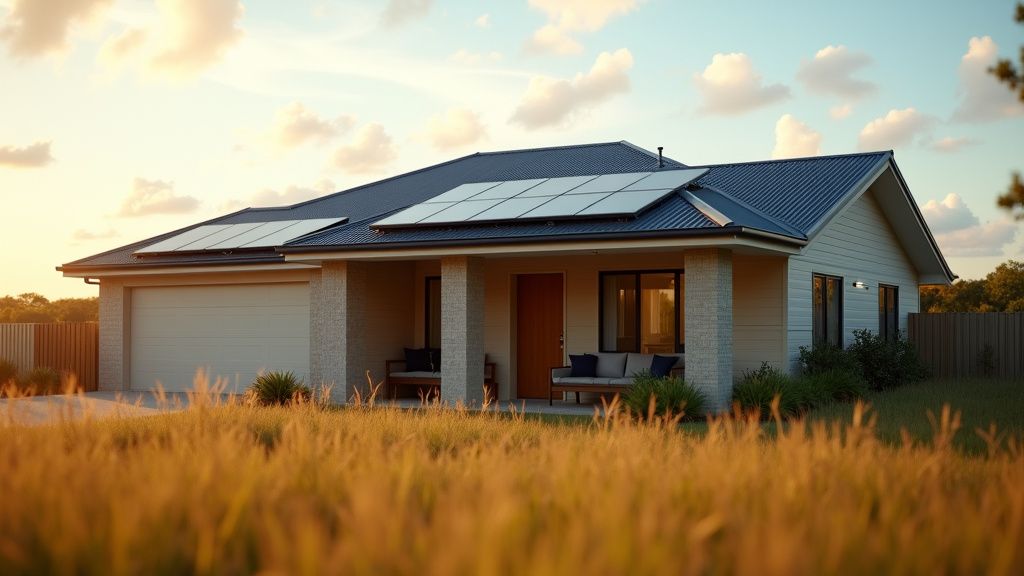
- Consider Investing in Solar and Battery Storage: Installing solar panels and a battery system can reduce your reliance on the grid and help stabilize the electricity system. The government may offer incentives for going solar.
- Improve Energy Efficiency: Take steps to improve the energy efficiency of your home, such as insulating your walls and ceilings, using energy-efficient appliances, and switching to LED lighting.
- Be Mindful of Your Electricity Consumption: Reduce your electricity consumption during peak periods, such as by running your dishwasher and washing machine at night.
- Stay Informed: Keep up to date on developments in the energy sector and advocate for policies that support a reliable and sustainable energy future.
The potential reliability gap in Queensland is a serious challenge, but it's also an opportunity to build a more resilient and sustainable energy system. By working together – government, industry, and consumers – we can ensure that Queensland continues to be a leader in energy innovation and enjoys a secure and affordable energy future.