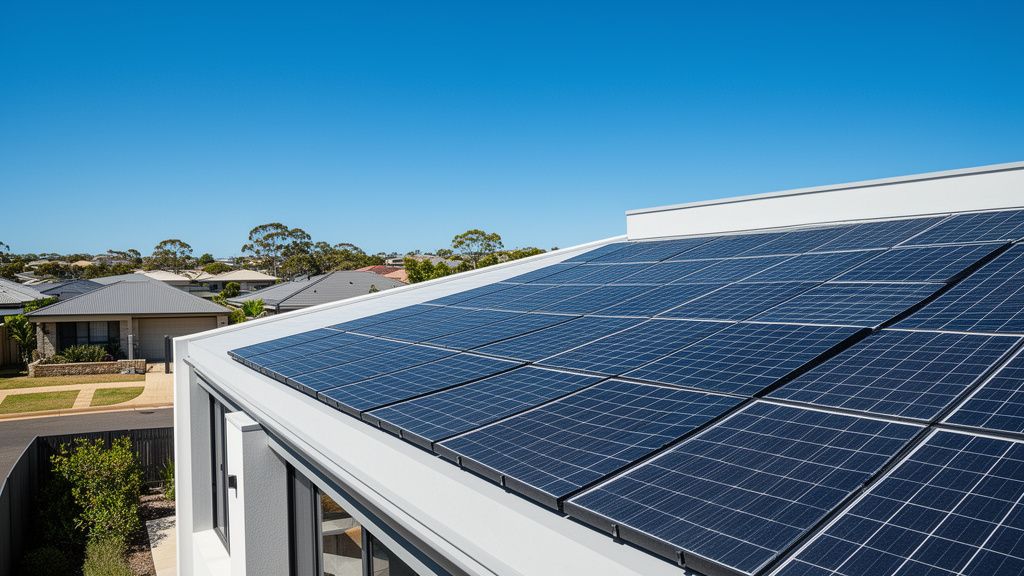
TL;DR: The Australian Energy Regulator (AER) is proposing a "Solar Sharer Offer" to overhaul how rooftop solar exports are valued, moving beyond traditional fixed feed-in tariffs. This plan aims to better manage grid congestion and costs by dynamically pricing solar exports, benefiting both solar-owning and non-solar households through more efficient network use and potentially lower overall bills.
What is the AER's Solar Sharer Offer and why is it being proposed?
The Australian Energy Regulator's (AER) Solar Sharer Offer is a proposed pricing mechanism designed to create a more dynamic and equitable value for rooftop solar exports, departing from static feed-in tariffs (FiTs). This initiative stems from the increasing penetration of solar PV in Australia, which, while beneficial, is also placing significant strain on the electricity grid, particularly during midday peaks when solar generation often outstrips local demand. The Sharer Offer aims to incentivise solar owners to export power when the grid needs it most, and conversely, to reduce exports during periods of low demand or network congestion, preventing negative wholesale prices and unnecessary network costs. It acknowledges that the current one-way flow and fixed FiTs don't adequately reflect the true value or cost of solar exports at different times. The goal is a smarter grid where solar's benefits are maximised for all consumers, not just those with panels.
The Problem with Current Feed-in Tariffs
Traditional feed-in tariffs, such as the typical 5-10 cents per kilowatt-hour (kWh) offered in many states, often provide a fixed rate regardless of grid conditions or demand. While they’ve been crucial for solar adoption, this static approach doesn't encourage exports when electricity is most valuable to the system, nor does it disincentivise exports when the grid is overloaded. This can lead to inefficient grid operation, requiring network upgrades that all consumers – including non-solar households – end up paying for through their network charges. For instance, on a sunny day in South Australia, abundant solar can push wholesale prices to zero or even negative, meaning solar exports are effectively worthless or even costly to the system, yet homeowners might still receive a fixed FiT.
The Vision Behind the Sharer Offer
The AER's vision for the Solar Sharer Offer is to create a more sophisticated pricing signal that aligns individual solar export decisions with the broader needs of the electricity network. By dynamically adjusting the export payment based on grid conditions – higher payments during peak demand or when network capacity is available, lower payments during congestion – it aims to smooth out demand and supply. This approach intends to defer expensive network upgrades, reduce system costs, and ensure that the benefits of Australia's abundant solar resource are shared more broadly, ultimately contributing to a more stable, efficient, and cost-effective energy system for everyone. It's about turning a potential grid challenge into an opportunity for smarter energy management.
How will the Solar Sharer Offer change electricity bills for Australian households?
The Solar Sharer Offer is set to significantly alter how Australian households manage and are billed for their electricity, impacting both those with solar panels and those without. For solar-owning households, it introduces a dynamic element to their export earnings, potentially increasing their returns during times of high demand but reducing them when the grid is congested or supply is abundant. This encourages strategic energy use and investment in technologies like battery storage. For households without solar, the offer aims to reduce overall network costs by optimising grid usage, which could translate into lower network charges on their bills, effectively sharing the benefits of local solar generation more broadly across the community.
Opportunities for Solar Households
Solar households under the new scheme will have more control over optimising their returns. Instead of a flat FiT, they might receive, for example, 20 cents/kWh during evening peak demand when grid electricity is expensive, but only 2 cents/kWh during a midday solar glut. This encourages them to consume more of their self-generated power during the day or store it in a battery for export during high-value periods. A 6.6kW system owner, for instance, might typically save $1,500 annually from self-consumption and fixed FiTs. Under the Sharer Offer, they could potentially earn more than this by strategically exporting, especially with a battery, but might earn less if they export indiscriminately during low-value times. This shift incentivises smart energy management and investment in home energy solutions.
Benefits for Non-Solar Consumers
Households without solar panels stand to benefit from the Sharer Offer through reduced network costs. When solar exports are better managed, less strain is placed on local transformers and power lines, which means network service providers like Ausgrid or Energex might not need to upgrade infrastructure as frequently or extensively. These network costs, which make up a significant portion of every consumer's bill, could therefore be stabilised or even reduced over time. Essentially, by preventing grid congestion and allowing solar to contribute more effectively to overall energy supply, the Sharer Offer helps ensure that the electricity system operates more efficiently, passing on savings to all consumers, regardless of whether they own solar panels.


What are the broader implications of the Solar Sharer Offer for Australia's energy market?
The broader implications of the AER's Solar Sharer Offer for Australia's energy market are profound, signalling a pivotal shift towards a more intelligent, responsive, and distributed energy system. It's designed not just to fine-tune individual electricity bills but to address fundamental challenges related to grid stability, network congestion, and the integration of renewable energy at scale. By introducing dynamic export pricing, the Sharer Offer aims to unlock the full potential of rooftop solar as a valuable grid asset, rather than solely a source of cheap power, fostering a more resilient and sustainable energy future for the nation.
Encouraging Smart Energy Management
The Solar Sharer Offer will strongly encourage the adoption of smart energy management technologies and behaviours. With variable export prices, homeowners will have a clear financial incentive to install home energy management systems, smart inverters, and crucially, battery storage. A typical 10kWh home battery, costing around $10,000-$15,000, becomes a more attractive investment if it can store cheap midday solar to export for higher returns in the evening peak, or simply reduce demand on the grid during critical times. This widespread adoption of smart tech will transform individual homes into active participants in the energy market, collectively contributing to grid stability and efficiency by adjusting their consumption and export patterns.
A More Equitable Energy System
Beyond technical efficiencies, the Sharer Offer aims to foster a more equitable energy system. By mitigating grid congestion and deferring expensive network upgrades, it reduces the costs that are ultimately passed on to all consumers through their electricity bills. This means that non-solar households, who currently bear some of the costs associated with grid instability caused by high solar penetration, can also benefit from the presence of rooftop solar in their communities. It moves towards a system where the benefits and costs of solar are shared more fairly, rather than being disproportionately borne by different groups, ensuring that Australia's renewable energy transition is inclusive and provides tangible advantages for every household.
Key Takeaways
- The AER's Solar Sharer Offer replaces static feed-in tariffs with dynamic pricing for solar exports, reflecting real-time grid conditions.
- Solar households will need to manage their exports strategically, potentially using batteries, to maximise earnings.
- Non-solar households could see reduced network charges due to improved grid efficiency and deferred infrastructure upgrades.
- The plan incentivises smart home energy technology adoption, like batteries, to support grid stability.
- It aims to create a more equitable energy system where the benefits of solar are shared across all consumers.
Read More
For a comprehensive overview, check out our master guide: Read the Full Guide Here.


