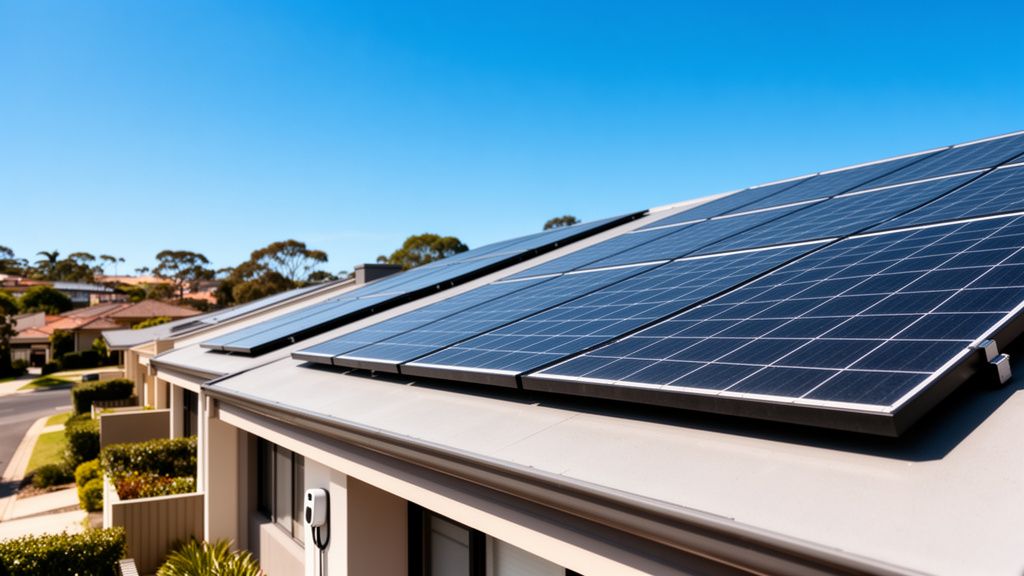
TL;DR: Australian strata managers face increasing demand for EV charging infrastructure in apartment buildings. Successfully integrating EV chargers requires understanding resident demand, navigating regulations, securing appropriate funding, and facilitating a smooth installation process to enhance property value and resident satisfaction.
Why are EV chargers becoming a critical concern for strata properties?
EV chargers are a critical concern for strata properties due to the rapid growth of electric vehicle ownership in Australia and the inherent challenges of integrating new electrical infrastructure into existing multi-occupancy buildings. As more Australians embrace electric vehicles, apartment residents are increasingly seeking convenient and reliable charging solutions at home, transforming what was once a niche request into a mainstream expectation. Failure to provide adequate charging can lead to resident dissatisfaction, limit property appeal, and even impact future resale values, making it an urgent matter for Owners Corporations to address. Proactive planning ensures that buildings remain competitive and future-proofed against evolving market demands and potential regulatory changes.
The Growing Demand from Residents
The demand for EV charging from residents is escalating rapidly, driven by national trends in electric vehicle adoption. Australian EV sales have surged in recent years, with a significant proportion of new car purchases now being electric. For apartment dwellers, charging at home is often the most convenient and cost-effective option, making on-site EV infrastructure a highly desired amenity. Strata managers are increasingly receiving inquiries and formal requests from residents who either already own an EV or are considering purchasing one, highlighting the immediate need for accessible charging solutions.
Impact on Property Value and Attractiveness
Installing EV charging infrastructure significantly impacts property value and attractiveness, positioning strata schemes as modern and desirable living spaces. Properties with readily available EV charging are more appealing to a broader market of potential buyers and renters, many of whom prioritise sustainability and convenience. This amenity not only enhances the building's competitive edge but also future-proofs it against a rapidly changing automotive landscape, ensuring it remains relevant and valuable in the long term.
What is the strata manager's essential role in facilitating EV charger installations?
The strata manager plays a pivotal role in facilitating EV charger installations by acting as the central liaison, guiding the Owners Corporation through decision-making, and coordinating all stakeholders from residents to contractors. Their expertise in strata law, financial management, and project oversight is critical to navigating the complexities of such a significant upgrade to common property. By providing clear information, managing expectations, and streamlining processes, strata managers ensure that the project progresses efficiently and in compliance with all relevant regulations and bylaws, ultimately protecting the interests of all lot owners.
Educating the Owners Corporation
Educating the Owners Corporation is a primary responsibility for strata managers, equipping them with the knowledge needed to make informed decisions about EV charger installations. This involves explaining the technical aspects of charging solutions, potential costs ranging from individual charger installations (typically $2,000-$4,000 per AC unit) to common electrical infrastructure upgrades (potentially $10,000-$50,000+), and the long-term benefits for the property. Managers must also clarify the legal implications, such as common property amendments and bylaw requirements, ensuring the Owners Corporation understands the full scope of the commitment.
Navigating Governance and Bylaws
Navigating governance and bylaws is crucial for any common property modification, especially one as significant as EV charger installation. Strata managers must guide the Owners Corporation through the necessary approval processes, which often involve drafting new bylaws to regulate the installation, usage, and maintenance of EV chargers. This includes addressing issues such as responsibility for costs, electricity metering, access, and insurance. Adherence to the Strata Schemes Management Act (or equivalent state legislation) and the specific scheme's existing bylaws is paramount to avoid disputes and ensure a legally sound installation.
What are the key steps for strata managers to plan an EV charger project?
Planning an EV charger project in a strata scheme involves several critical steps, beginning with a comprehensive needs assessment and culminating in careful tender selection and project oversight. A structured approach ensures all technical, financial, and regulatory aspects are considered, leading to a successful and sustainable outcome. This systematic process helps avoid common pitfalls suchers underestimation of costs, insufficient electrical capacity, or inadequate funding models, which can derail a project.
Conducting a Feasibility and Electrical Capacity Study
Conducting a feasibility and electrical capacity study is the foundational step for any EV charger project, identifying the building's current infrastructure limitations and upgrade needs. This study, typically undertaken by a qualified electrical engineer, assesses the existing switchboard capacity, cabling, and transformer limits to determine how many chargers can be supported and what upgrades, if any, are required. Significant upgrades to a building's main switchboard or grid connection can be substantial, often costing between $15,000 to $50,000 or more, depending on the scale and complexity, making this assessment critical for accurate budgeting.


Developing a Fair Funding and Usage Model
Developing a fair funding and usage model is essential to ensure equity among residents and the financial viability of the EV charging infrastructure. Strata managers must explore various options, such as 'user-pays' models where individual lot owners fund and maintain their chargers, or shared common property systems where costs are distributed via levies or pay-per-use systems. Implementing smart charging solutions with billing software can accurately track individual consumption and manage load, ensuring fair cost recovery and preventing overloading the building's electrical supply.
What funding opportunities and benefits exist for strata EV charger installations?
Australian strata managers can leverage various funding opportunities and realise significant long-term benefits by proactively installing EV charging infrastructure, enhancing the financial viability of such projects. Beyond direct financial incentives, these installations contribute to a building's sustainability profile, attracting environmentally conscious residents and bolstering overall property desirability. Understanding and utilising these opportunities can transform a significant capital outlay into a strategic investment with tangible returns.
Exploring Government Grants and Incentives
Exploring government grants and incentives can substantially reduce the upfront costs of EV charger installations for strata schemes. Several state governments, such as the NSW Government's EV Ready Buildings program or various Victorian incentives, offer funding specifically designed to support the rollout of charging infrastructure in apartment complexes. These grants can cover a portion of the installation costs, electrical upgrades, or even feasibility studies. Strata managers should actively research and apply for these programs, which are regularly updated to encourage EV adoption.
Enhancing Property Value and Resident Satisfaction
Enhancing property value and resident satisfaction are key benefits derived from installing EV charging infrastructure. Modern amenities like EV charging are highly prized by residents, leading to increased satisfaction and a more harmonious living environment. Furthermore, providing this infrastructure makes the property more attractive to prospective buyers and tenants, potentially leading to higher rental yields and sale prices. It signals a forward-thinking Owners Corporation, future-proofing the building and its residents for years to come.
Key Takeaways
- Proactively address resident demand: EV charging is a must-have amenity, not a luxury, for modern strata living.
- Leverage the strata manager's expertise: Managers are key to navigating complex approvals, finances, and project coordination.
- Prioritise a detailed feasibility study: Understand electrical capacity and upgrade costs (often $15,000-$50,000+) early in the planning process.
- Establish a fair funding model: Implement clear bylaws and billing systems to ensure equitable cost recovery and usage for individual chargers (typically $2,000-$4,000 installed) or shared systems.
- Seek government grants: Explore state and federal incentives to reduce the financial burden of installation.
Read More
For a comprehensive overview, check out our master guide: Read the Full Guide Here.