TL;DR: A Strait of Hormuz blockade would dramatically spike global crude oil prices by cutting off a fifth of the world's supply, directly translating to significantly higher petrol and diesel costs for Aussie motorists. This vulnerability underscores the critical importance of domestic energy solutions like solar power to insulate Australia from international geopolitical risks and ensure energy security.
What is the Strait of Hormuz and why is it so critical for global oil supply?
The Strait of Hormuz is a narrow waterway connecting the Persian Gulf to the Arabian Sea, serving as the world's most vital oil transit chokepoint. This strategic passage, only about 50 kilometres wide at its narrowest point, is the sole maritime route for oil from major Middle Eastern producers like Saudi Arabia, Iran, the UAE, Kuwait, Iraq, and Qatar. It's an indispensable artery for global energy, with any disruption having immediate and far-reaching economic consequences. Without this strait, a significant portion of the world's oil supply would struggle to reach international markets, making it a constant point of geopolitical tension and a potential flashpoint.
The Flow of Crude Oil
An astounding volume of crude oil, approximately 21 million barrels per day, or about 20% of global daily oil consumption, passes through the Strait of Hormuz. This includes nearly all of the liquid natural gas (LNG) exports from Qatar, a major global supplier. Tankers loaded with this precious cargo traverse the strait daily, heading to energy-hungry markets in Asia, Europe, and the Americas. The sheer scale of this movement means any impediment to free passage would create an immediate and catastrophic supply deficit in the world market, far exceeding the capacity of any strategic reserves to fully mitigate.
Geopolitical Flashpoint
The Strait of Hormuz has been a recurring point of geopolitical tension for decades, particularly between Iran and its regional rivals or Western powers. Incidents involving vessel seizures, drone attacks, and threats of closure have occurred periodically, sending jitters through global oil markets. These tensions stem from regional power struggles, nuclear ambitions, and competing economic interests. The strait's strategic importance makes it an attractive target for states seeking leverage or aiming to disrupt global commerce, thereby ensuring it remains a closely watched area on the international stage.
How would a Strait of Hormuz blockade dramatically increase global fuel prices?
A blockade of the Strait of Hormuz would severely restrict the flow of approximately 20% of the world's daily oil consumption, leading to an immediate and unprecedented surge in global crude oil prices. Even a partial disruption could trigger a massive speculative frenzy, pushing Brent crude futures to historical highs well over US$150 or even US$200 a barrel. This isn't just a simple supply-demand equation; it's also about market panic, as buyers would scramble for alternative, more expensive sources, and sellers would hoard existing stock, anticipating even higher prices. For Aussie motorists, this would quickly translate into petrol prices soaring past $3.00 or even $4.00 a litre, making everyday commutes and transport costs financially crippling.
Immediate Supply Shock
The global oil market is incredibly sensitive to supply shocks, and a blockade of the Strait of Hormuz would represent the most severe imaginable. Such an event would instantly remove millions of barrels of oil from daily circulation, far exceeding the ability of other producers (like the US shale industry or OPEC nations with spare capacity) to compensate in the short term. Strategic petroleum reserves, while significant, are designed for short-term disruptions, not a sustained closure of such a critical chokepoint. The immediate result would be a rapid escalation in global oil benchmarks like Brent crude, as traders price in the massive shortfall and uncertainty.
Ripple Effect on Australian Pump Prices
Australia is a net importer of refined petroleum products, meaning we buy most of our petrol and diesel from overseas, primarily from Singapore, South Korea, and other Asian refiners. These refiners, in turn, rely heavily on crude oil sourced from the Middle East via the Strait of Hormuz. Therefore, any spike in global crude oil prices due to a blockade would almost instantly flow through to our wholesale refined fuel costs. Add to that our relatively high taxes, transport costs, and retailer margins, and you're looking at an astronomical jump in the price at your local servo, potentially making filling up a family car cost well over $200.
How does Australia's fuel independence make it vulnerable to global oil shocks?
Despite being a significant energy exporter of coal and LNG, Australia imports over 90% of its refined petroleum products, making it highly dependent on international supply chains and extremely vulnerable to global oil price volatility. Our two remaining domestic refineries only meet a fraction of our national demand, meaning the vast majority of petrol, diesel, and aviation fuel used daily is shipped in. This reliance on imported, finished fuels, coupled with our relatively remote geographic location and long supply lines, exposes Australian consumers and industries to the full brunt of any international disruption or price hike. Our fuel independence is, in reality, a critical Achilles' heel.
Our Reliance on Foreign Refineries
Australia has seen a significant decline in its domestic refining capacity over the past few decades, with the closure of several large facilities. Today, we mostly import refined petrol, diesel, and jet fuel from major regional hubs like Singapore and South Korea. These hubs process crude oil that often originates from the Middle East, making them, and by extension Australia, susceptible to disruptions in the Strait of Hormuz. Should that chokepoint be blocked, not only would crude prices rise, but the availability of refined products from our primary suppliers could also become severely constrained, potentially leading to rationing or extreme scarcity.
Limited Strategic Fuel Reserves
Compared to many other developed nations, Australia maintains relatively modest strategic fuel reserves. While there have been efforts to increase these in recent years, our reserves are generally considered insufficient to provide long-term insulation against a prolonged global supply shock of the magnitude a Hormuz blockade would represent. This limited buffer means that if our regular supply lines were cut or significantly disrupted for an extended period, the nation would quickly face critical shortages, impacting everything from emergency services and agriculture to public transport and personal mobility.


Why do geopolitical fuel shocks strengthen the case for solar energy in Australia?
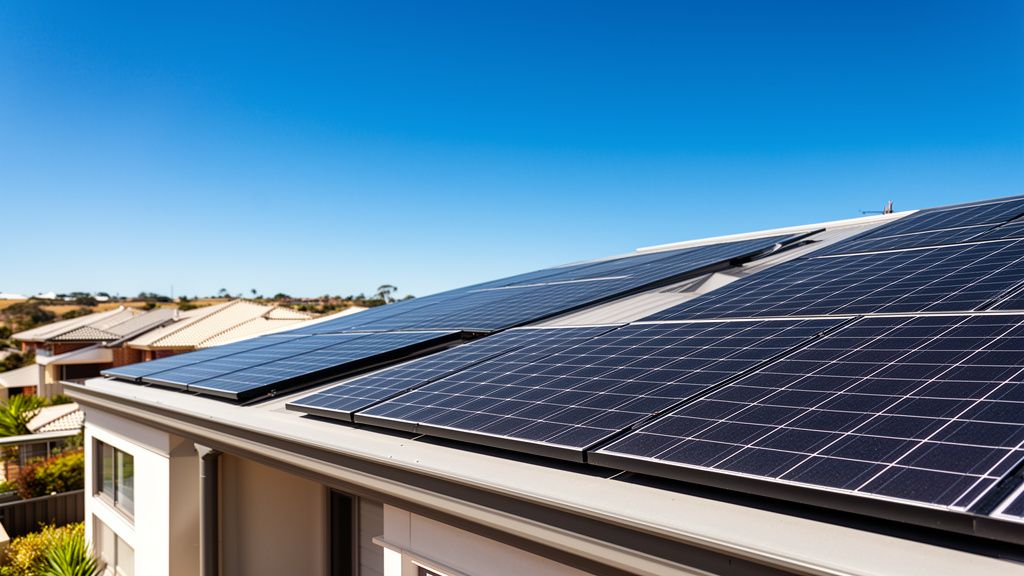
Geopolitical fuel shocks highlight the economic and energy security benefits of transitioning to solar power, providing a stable, locally generated energy source insulated from international crude oil price volatility. While petrol prices directly impact transport, they also ripple through the entire economy, affecting the cost of goods and services, and often influencing wholesale electricity prices that are tied to volatile gas and coal markets. Investing in solar, whether for your home or business, offers a tangible way to gain energy independence, lock in lower electricity costs, and hedge against the unpredictability of a globally interconnected fossil fuel market that's prone to geopolitical whims.
Hedging Against Volatile Energy Costs
When global fuel prices surge due to geopolitical events, the cost of generating electricity from fossil fuels (like gas and coal) often follows suit, leading to higher power bills. By installing solar panels, Australian households and businesses can effectively generate their own electricity, reducing their reliance on the grid and insulating themselves from these price fluctuations. Solar power offers a predictable cost of energy over its 25+ year lifespan, making it a robust financial defence against future energy market volatility driven by international conflicts or supply disruptions. It’s a smart move for long-term budget stability.
The Financial Benefits of Going Solar
Installing a solar system in Australia is a sound financial investment, especially with the persistent threat of rising energy costs. A typical 6.6kW solar system for an average Australian home might cost between $5,000 to $8,000 after government rebates, depending on location and components. With average household electricity usage and decent sun exposure, many systems can achieve a payback period of just 3 to 5 years. Once paid off, you're essentially generating free electricity, saving thousands of dollars annually and adding significant value to your property. This long-term financial stability is a powerful incentive, independent of global oil markets.
Key Takeaways
- A Strait of Hormuz blockade would cause extreme global oil price spikes, directly making petrol and diesel unaffordable for Australian motorists.
- Australia's heavy reliance on imported refined fuels makes our economy highly vulnerable to international supply chain disruptions and geopolitical events.
- Our limited strategic fuel reserves mean Australia has little buffer against a prolonged and severe global oil supply shock.
- Investing in solar energy provides Australian households and businesses with crucial energy independence and a stable hedge against volatile global fossil fuel prices.
- Transitioning to solar is a practical, long-term financial decision that enhances energy security and insulates against future geopolitical risks.
Read More
For a comprehensive overview, check out our master guide: Read the Full Guide Here.