Queensland's Vulnerable Grid: Addressing Climate Change Impacts
Queensland, the Sunshine State, is ironically facing significant challenges from climate change impacts on its electricity grid. From intense cyclones to prolonged heatwaves, the existing infrastructure is being tested like never before. Understanding these vulnerabilities and the steps being taken to address them is crucial for every Queenslander. If you’re looking for more in-depth analysis, you can check out our Complete Guide on smart grids and grid resiliency in Queensland.
The Climate is Changing, and So Must Our Grid
It's no secret that Queensland is experiencing more frequent and severe weather events. These events directly impact the electricity grid in several ways:
-
Cyclone Devastation: Powerful cyclones, becoming increasingly common, can cause widespread damage to transmission lines, substations, and even renewable energy infrastructure like solar farms. Restoring power after such events can take days, even weeks, leaving communities vulnerable and disrupting businesses. The cost of repairing damaged infrastructure after Cyclone Jasper, for example, ran into the millions of dollars.
-
Heatwave Stress: Extended periods of extreme heat place immense strain on the grid. Air conditioning usage surges, pushing demand to peak levels. This can lead to overloaded transformers, brownouts, and even blackouts. The higher the ambient temperature, the less efficiently power lines transmit electricity, compounding the problem.
-
Flooding and Rising Sea Levels: Low-lying coastal areas, where much of Queensland's population and electricity infrastructure are located, are increasingly susceptible to flooding and rising sea levels. This poses a significant threat to substations and underground cables, potentially leading to long-term disruptions.
-
Bushfire Risk: The increasing risk of bushfires during the dry season also threatens the grid. Fires can damage or destroy transmission lines and substations, causing widespread outages.
Where is the Grid Most Vulnerable?
Certain areas of Queensland are particularly vulnerable to climate change impacts. Coastal communities in North Queensland are at high risk from cyclones and storm surges. Densely populated areas in Southeast Queensland are susceptible to heatwave-related grid stress. Rural and remote communities, often reliant on long, exposed power lines, are particularly vulnerable to bushfires and flooding.
What's Being Done to Bolster Resilience?
The Queensland government and energy providers are taking steps to address these challenges and improve the grid's resilience. Key initiatives include:
-
Upgrading Infrastructure: Aging infrastructure is being replaced with more robust and weather-resistant equipment. This includes using stronger poles and towers, burying power lines in high-risk areas, and upgrading substations with flood protection measures.


-
Investing in Smart Grids: Smart grid technologies are being implemented to improve grid monitoring, control, and automation. This allows for faster detection and response to faults, reducing outage times. Smart meters provide real-time data on energy consumption, enabling more efficient management of demand.
-
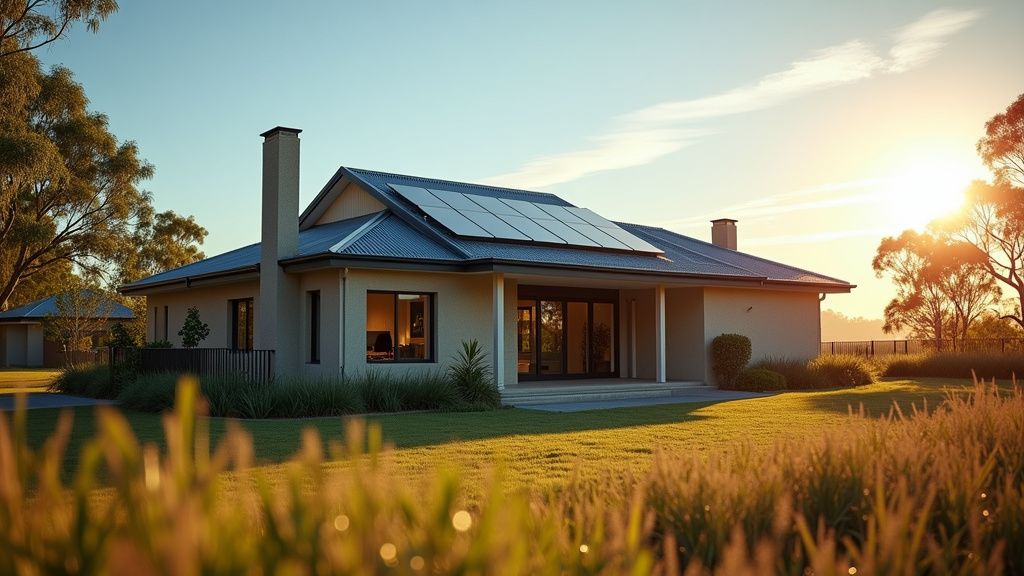
Promoting Distributed Generation: Encouraging the uptake of rooftop solar and battery storage helps to decentralize the grid and reduce reliance on centralized power plants. This increases resilience by providing backup power during outages and reducing overall demand on the grid. Feed-in tariffs, although recently revised, continue to provide financial incentives for homeowners to invest in solar.
-
Improving Vegetation Management: Regular vegetation management around power lines helps to reduce the risk of bushfires and outages caused by falling trees.
-
Strengthening Emergency Response Plans: Energy providers are working to improve their emergency response plans and coordination with other emergency services. This includes ensuring that crews and equipment are readily available to respond to outages quickly and efficiently.
What Can Queenslanders Do?
Queenslanders can play a crucial role in bolstering grid resilience and mitigating the impacts of climate change on the energy system. Here are some things you can do:
-
Consider Rooftop Solar and Battery Storage: Investing in rooftop solar and battery storage can provide backup power during outages and reduce your reliance on the grid. Numerous financing options are available, including government rebates and interest-free loans. A typical 6.6kW solar system might cost around $6,000 - $9,000 installed, but rebates can reduce this significantly. Battery storage can add another $8,000 - $15,000 to the upfront cost.
-
Reduce Energy Consumption: Reducing your overall energy consumption helps to alleviate strain on the grid, particularly during peak demand periods. Simple measures like switching to energy-efficient appliances, using air conditioning sparingly, and turning off lights when not in use can make a difference.
-
Participate in Demand Response Programs: Some energy providers offer demand response programs that reward customers for reducing their energy consumption during peak demand periods.
-
Stay Informed: Stay informed about the risks facing the grid and the steps being taken to address them. Advocate for policies that promote grid resilience and a transition to clean energy.
Queensland's electricity grid faces significant challenges from climate change. Addressing these challenges requires a concerted effort from the government, energy providers, and individual citizens. By investing in resilient infrastructure, embracing smart grid technologies, and promoting distributed generation, Queensland can build a more reliable and sustainable energy future.