Off-Grid Adventures: Choosing the Best Portable Power Station for Aussie Explorers
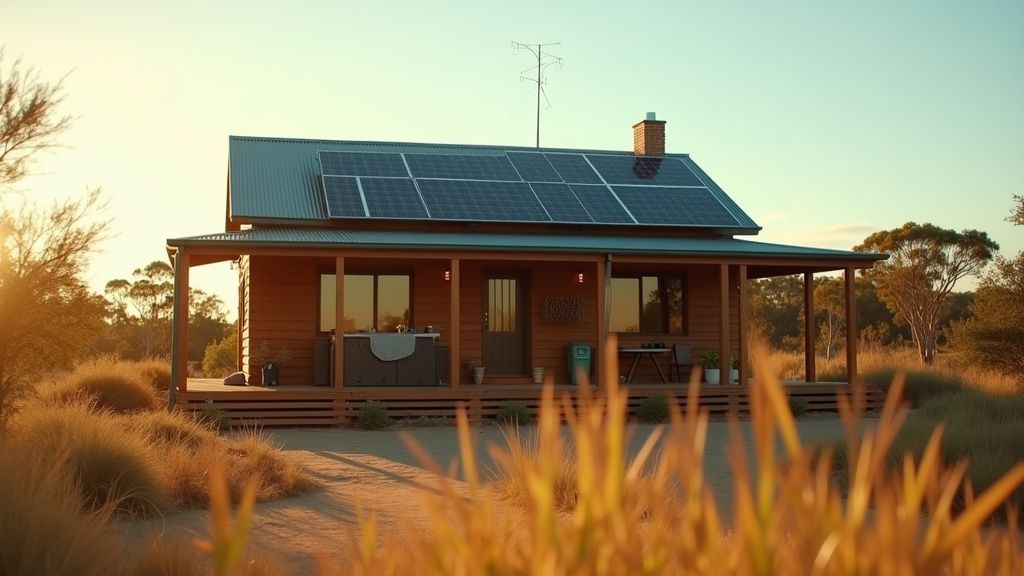
Australia is a land of vast landscapes and incredible off-grid opportunities. But venturing into the outback or setting up camp far from civilisation requires reliable power. A Portable Power Station can be the difference between lukewarm drinks and a chilled beverage, or a silent night and some campfire tunes powered by your speaker. Choosing the right one is key to a successful adventure.
Before diving into specific models, let's consider what makes a portable power station a worthy companion for your Aussie adventures.
What to Look for in a Portable Power Station
Think of a portable power station as your personal power plant, all packed into a manageable unit. But not all power stations are created equal. The last thing you want is to spend your hard-earned dollars on a device that can’t keep your fridge running through the night! Here's what's crucial:
-
Capacity (Watt-hours - Wh): This is your "fuel tank" size. The higher the Wh rating, the more power you have and the longer your devices will run. A small unit (300-500Wh) might be fine for phones and lights. However, for appliances like fridges or medical devices, you'll need at least 1000Wh, if not more.
-
Output Ports: Variety is the spice of life, and also of power. Look for a mix of 12V DC (for things like car fridges), 240V AC (for standard household appliances), and USB-A and USB-C ports for your smaller gadgets. The more ports, the more devices you can run simultaneously.
-
Recharging Options: The best power stations offer multiple charging methods: solar panels (essential for extended off-grid trips), your car's 12V socket, and standard mains power. Some units also support fast charging, getting you back to full power in a couple of hours, while others can take much longer. Consider your typical trip length and access to power when making your decision.
-
Weight and Size: Some power stations are surprisingly heavy. If you're regularly lifting it in and out of a vehicle, or space is limited, opt for a lighter model with sturdy handles or even wheels.
-
Battery Type: Lithium Iron Phosphate (LiFePO4) batteries are generally more durable and have a longer lifespan than standard lithium-ion batteries. While they might be a bit heavier, they're a worthwhile investment if you plan on frequent off-grid use.
-
Durability: An Aussie outback adventure can be tough on gear. Look for a rugged design with reinforced corners, and a good IP (Ingress Protection) rating indicating dust and water resistance. These features aren't just nice-to-haves; they're essential for survival in our harsh conditions.
-
Expandability: Certain brands allow you to connect extra batteries or solar panels to expand your power capacity. This is a great option if you anticipate your power needs growing in the future.
-
Value for Money: Don't just be swayed by brand names. Compare the capacity, output, recharge time, and durability across different models to ensure you're getting the best bang for your buck.
Portable Power Station Options for Aussie Adventures
Here are some solid options. Remember that many brands offer a range of capacities, so if a particular model catches your eye but isn't the right size for your needs, check out the manufacturer's website for alternatives.
-
Bluetti AC200L: With a generous 2048Wh capacity, the Bluetti AC200L is suitable for extended camping trips, powering RVs, or even as a home backup during blackouts. Fast charging is a highlight, reaching 80% capacity from AC power in under an hour. It offers multiple charging options, including solar, AC, and car charging. You can even charge it using your car's alternator while driving with an additional purchase. Expandable battery options are also available, and the unit can be controlled via a mobile app.
-
Companion Rover 1300: The Companion Rover 1300 boasts a solid 1344Wh capacity, more than enough for most camping needs. It takes approximately 90 minutes to reach 80% charge and 2.2 hours for a full charge via AC power. It features a 1200W pure sine wave inverter, built-in MPPT control for direct solar charging (up to 400W), and an integrated 3-mode LED light.
Making the Right Choice
Choosing the perfect portable power station ultimately depends on your individual needs and budget. Consider the types of devices you'll be powering, the length of your trips, and the availability of recharging options.
Remember to research different brands and models, read reviews, and compare specifications before making a purchase. A well-chosen portable power station can transform your off-grid adventures, providing reliable power and peace of mind wherever you roam in this vast and beautiful country. For more tips, check out our Complete Guide.