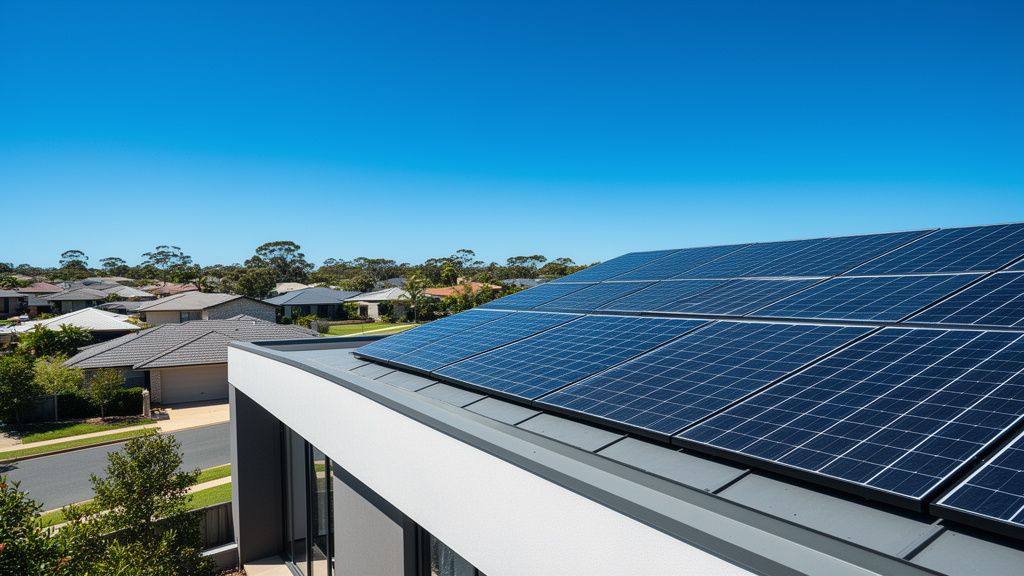
TL;DR: New South Wales lags other Australian states in approving large-scale clean energy projects, primarily due to complex planning processes and slower community engagement. States like Queensland and Victoria benefit from streamlined approvals and dedicated Renewable Energy Zones, attracting investment and accelerating their transition faster than NSW.
Why are NSW's clean energy project approvals lagging behind other states?
New South Wales is experiencing slower approval times for major clean energy projects compared to other Australian jurisdictions because of its intricate planning system and extended community consultation periods. While NSW has ambitious renewable energy targets, the process from concept to construction permission for large-scale solar or wind farms often gets bogged down in bureaucratic layers and local objections. Developers report waiting significantly longer for environmental assessments and land use approvals in NSW than in states with more consolidated pathways. For instance, a major solar farm might see its approval process stretch for three to five years in NSW, whereas a similar project in Queensland or South Australia could clear these hurdles in under two years. This delay adds millions to project development costs, which ultimately affects the final electricity price for consumers.
How NSW's planning process creates hurdles
The NSW planning framework requires developers to navigate multiple state and local government agencies, each with its own requirements and timelines. This often leads to fragmented decision-making and a lack of clear, single-point contact for project proponents. Environmental impact statements are rigorous, but the assessment phase itself can be prolonged by requests for additional information or multiple rounds of public exhibition. Community consultation, while essential for social licence, sometimes extends the timeline significantly, particularly for projects near regional towns where land use changes spark strong local concerns. These factors combine to create an environment where projects progress at a slower pace than the national average.
How have other Australian states streamlined their renewable energy project approvals?
Other Australian states have accelerated their renewable energy project approvals by implementing clearer policy frameworks, establishing dedicated project facilitators, and defining Renewable Energy Zones (REZs). These strategies cut red tape and provide certainty for investors, allowing projects to move from proposal to operation much quicker. For example, Queensland has actively developed its REZ framework, identifying specific areas with excellent renewable resources and existing transmission infrastructure. This focuses development into pre-approved zones, reducing individual project assessment times for grid connections and environmental impacts.
Victoria and South Australia's focused approaches
Victoria has also taken a proactive stance, particularly with its offshore wind strategy and clear targets for renewable energy uptake. The Victorian government provides a centralised agency to coordinate approvals for strategic energy projects, ensuring a more consistent and efficient process. Similarly, South Australia, a leader in renewable energy generation, has maintained a relatively consistent and transparent planning pathway for large-scale projects. Their government agencies frequently work closely with developers to pre-empt potential issues and streamline assessments, facilitating the rapid deployment of solar and wind capacity. These states understand that a clear, predictable regulatory environment attracts capital and helps meet energy transition goals faster.
What impact do slow approvals have on NSW's renewable energy targets and costs?
Slow approval processes directly hinder NSW's ability to meet its ambitious renewable energy targets, delaying the transition from fossil fuels and keeping electricity costs higher than they need to be. Each year of delay pushes back the commissioning of new solar and wind farms, meaning NSW remains more reliant on older, more expensive, and less reliable coal-fired power stations. This creates uncertainty for energy retailers and large industrial consumers who rely on a steady supply of affordable, clean power. Developers facing prolonged approval times also factor these delays into their financial models, leading to higher project costs and subsequently higher power purchase agreements.
Economic consequences of project delays
The economic cost of slow approvals extends beyond direct project expenses. Investment capital often flows to states with clearer, faster pathways, meaning NSW misses out on potential job creation and regional economic development. A multi-billion dollar wind farm or solar project creates hundreds of construction jobs and dozens of ongoing maintenance roles, injecting significant money into regional communities. When these projects are delayed or cancelled due to bureaucratic hurdles, NSW forfeits these economic benefits. Ultimately, delays translate into a higher energy bill for households and businesses across the state, as the cost of new, cheaper renewables does not come online as quickly as planned.


What steps can NSW take to accelerate its clean energy project pipeline?
NSW can accelerate its clean energy project pipeline by simplifying its planning laws, establishing a dedicated, fast-tracked approvals pathway for strategic renewable projects, and enhancing early community engagement. A single point of contact within the government for major energy projects would significantly reduce administrative complexity and developer frustration. Consolidating environmental assessments and land use planning decisions under a clearer framework would cut months, if not years, off current timelines.
Improving project certainty and community buy-in
Creating pre-approved Renewable Energy Zones, similar to Queensland's model, would provide certainty for developers and focus resources on areas already identified as suitable. Alongside this, NSW needs to invest more in proactive and transparent community engagement. This means informing local communities early about project benefits, addressing concerns directly, and ensuring clear communication channels. Properly managed, early engagement can build trust and reduce resistance, preventing costly delays down the track. Expediting grid connection processes and investing in transmission upgrades will also be critical to ensure approved projects can actually connect to the network without further hold-ups. These combined actions will help NSW catch up to other states in the race for clean energy.
Key Takeaways
- NSW's complex planning system and lengthy community consultations delay clean energy project approvals.
- Other states use streamlined processes, dedicated facilitators, and Renewable Energy Zones to accelerate project timelines.
- Slow approvals in NSW increase project costs, deter investment, and hinder the state's renewable energy targets.
- NSW can improve by simplifying planning, establishing fast-tracked pathways, and enhancing early community engagement.
- Expedited project approvals reduce electricity costs for consumers and create regional jobs.
Read More
For a comprehensive overview, check out our master guide: Read the Full Guide Here.