TL;DR: NSW electricity consumers can save hundreds annually by comparing plans against the AER reference price. Solar feed-in tariffs remain low in 2026, making self-consumption of generated solar power the best strategy for savings. Look for plans like Battery + Solar or 1st Topaz for competitive electricity rates.
How Do NSW Electricity Plans Work in 2026?
NSW deregulated its electricity prices in 2014 and gas prices in 2017. This means energy retailers set their own rates, creating a competitive market. The Australian Energy Regulator (AER) publishes a benchmark electricity price, known as the reference price, on July 1 each year. This reference price helps consumers compare different plans, as retailers must show how their offers stack up against this benchmark. For example, a plan might be advertised as "23% less than the reference price." The average price of electricity for single-rate tariff plans in NSW hovers around 37.83 cents per kilowatt-hour (kWh). Beyond usage charges, households also pay supply charges, which vary by distributor and can cost around 137.97 cents per day for electricity. Understanding these components helps you pinpoint the actual cost of an energy plan.
Understanding Different Electricity Tariffs
NSW households generally access three main types of electricity tariffs. A Single Rate tariff charges the same price for electricity regardless of the time of day you use it. Time of Use (TOU) tariffs charge different rates based on peak, off-peak, and shoulder periods, rewarding users who shift their consumption to off-peak times. Controlled Load tariffs apply to specific high-energy appliances, like hot water systems or slab heating, which are connected separately and switch on during off-peak periods, often overnight. Selecting the right tariff for your household's consumption patterns is crucial for optimising your energy bill.
What Are the Cheapest Electricity Plans for NSW Households in June 2026?
NSW offers a variety of competitive electricity plans, and shopping around can result in significant annual savings. For June 2026, some of the most competitive electricity plans reported include "Battery + Solar," "1st Topaz," and "1st Ruby," all offering rates 23% less than the AER reference price. The annual price difference between the cheapest and most expensive single-rate electricity plans on comparison sites like Finder can be around $550. This demonstrates the tangible financial benefit of reviewing your energy provider regularly. Providers like AGL, EnergyAustralia, and Origin Energy are major players in the market, but many smaller retailers also offer compelling deals, some with added benefits like frequent flyer points or carbon neutral options.
Why Comparing Plans Pays Off
Comparing energy plans involves looking beyond just the advertised percentage discount. You need to examine the usage rates (c/kWh), daily supply charges (c/day), and any conditional discounts. Some plans feature "pay-on-time" discounts, while others offer fixed rates for a set period. Different tariffs, such as Time of Use or Controlled Load, also influence your final bill, depending on your energy consumption habits. Regular comparison allows you to switch to a provider offering better value, ensuring you do not pay hundreds of dollars extra each year for the same energy. Many households overlook these opportunities, assuming all retailers charge similar amounts, which is often not the case.
How Do Solar Feed-in Tariffs Affect Your Electricity Bill in NSW?
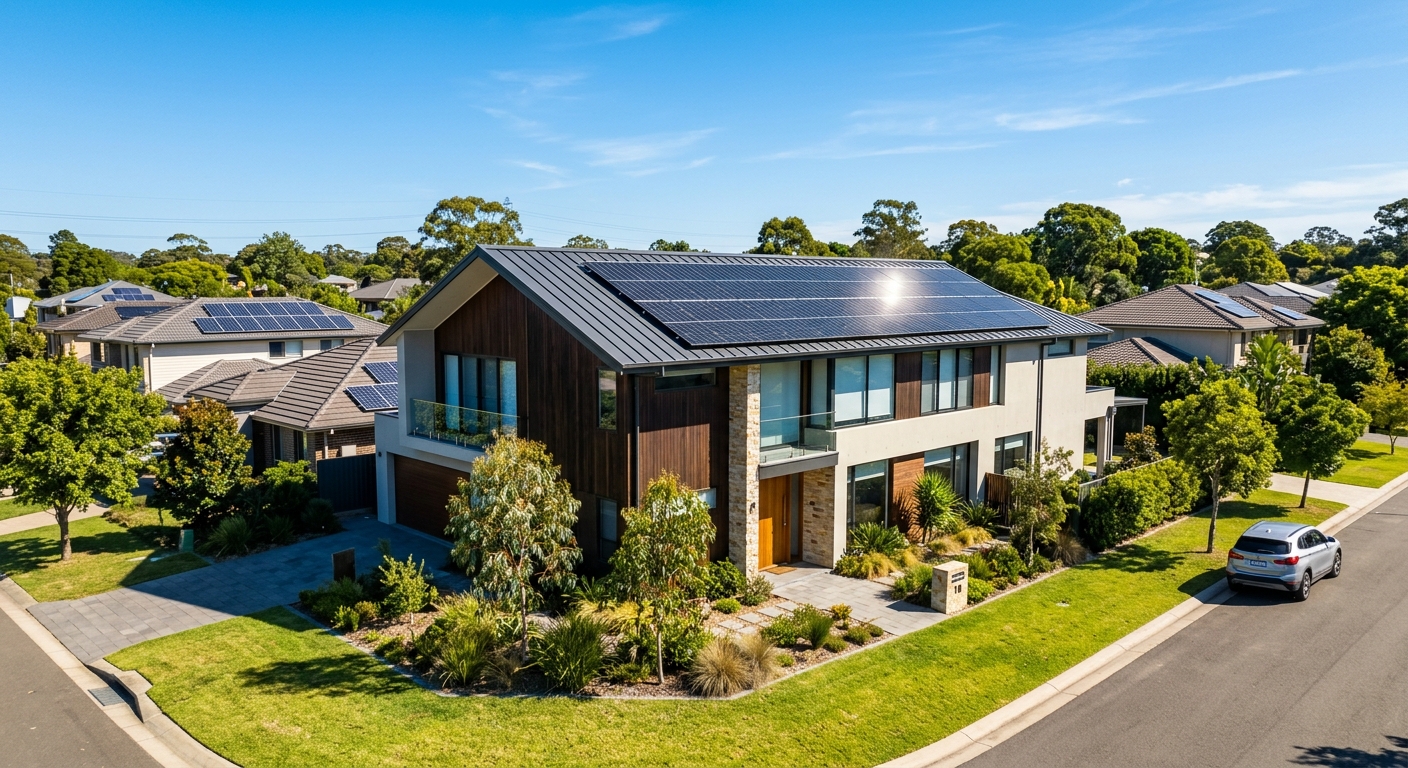
Solar feed-in tariffs (FiTs) are payments from your electricity retailer for the surplus solar power your system exports back to the grid. In 2026, as in recent years, NSW feed-in tariffs generally remain low across Australia. Most retailers offer rates well below 10 cents per kilowatt-hour, with many hovering in the 4-6 cents range. Retailers are free to set their own FiT rates in NSW, as there is no government-mandated minimum. This means that while FiTs provide a small credit, the primary financial benefit of a rooftop solar system now comes from consuming your own generated power, rather than exporting it. A million homes in NSW now have rooftop solar, changing how many households approach energy management.
Maximising Solar Savings with Low Feed-in Tariffs
With low feed-in tariffs, maximising self-consumption becomes the most effective strategy for solar homeowners in NSW. Instead of exporting power for a few cents, use your generated electricity to power appliances during the day. This reduces the amount of electricity you need to buy from the grid at much higher retail rates (e.g., 37.83 c/kWh). Strategies include running dishwashers, washing machines, and pool pumps during daylight hours. Investing in a home battery storage system further enhances this by storing excess solar power for use at night or during peak periods, drastically cutting your reliance on grid electricity and significantly shortening your system's payback period.
What About Gas Plans and Supporting Green Energy in NSW?
NSW households also have access to a competitive gas market. Gas costs typically range from 3.55 cents to 5.45 cents per megajoule (MJ), often with stepped rates that vary based on monthly or quarterly consumption. Daily supply charges for gas average around 77.79 cents. For June 2026, plans like "Affinity Variable ePlus," "Go Variable," and "HomeDeal Select" feature among the cheapest gas options. Beyond cost, many consumers want to support clean energy. While your retailer cannot deliver renewable energy directly to your home from the grid, options like GreenPower and carbon neutral plans exist. GreenPower is a government-run program allowing retailers to purchase renewable energy certificates corresponding to your usage (10% to 100%), often as an add-on. Carbon neutral plans involve your provider offsetting the emissions from your electricity or gas use, sometimes at a small fee or as a standard feature.
NSW's Commitment to Renewable Energy
NSW is actively working towards Australia's 2030 clean energy targets, even as some might say the state lags behind other parts of the country in renewable energy uptake. The presence of over a million homes with rooftop solar panels clearly shows strong individual adoption. Initiatives like GreenPower allow households to directly contribute to the growth of renewable energy generation. Opting for a retailer that offers GreenPower or carbon neutral plans lets you align your energy choices with environmental goals, even if you do not have your own rooftop solar system. These options provide a way for all consumers to support a cleaner energy future for NSW.
Key Takeaways
- Compare NSW electricity plans regularly to save hundreds of dollars annually, especially against the AER reference price.
- Solar feed-in tariffs are low in 2026; prioritise self-consumption of your generated solar power over exporting to the grid.
- Consider Time of Use tariffs or battery storage to maximise solar savings by using power during the day or storing it.
- Look for competitive electricity offers like "Battery + Solar" or "1st Topaz," which are significantly below the reference price.
- Explore GreenPower or carbon neutral options with your retailer to support renewable energy in NSW.
Read More
For a comprehensive overview, check out our master guide: Read the Full Guide Here.