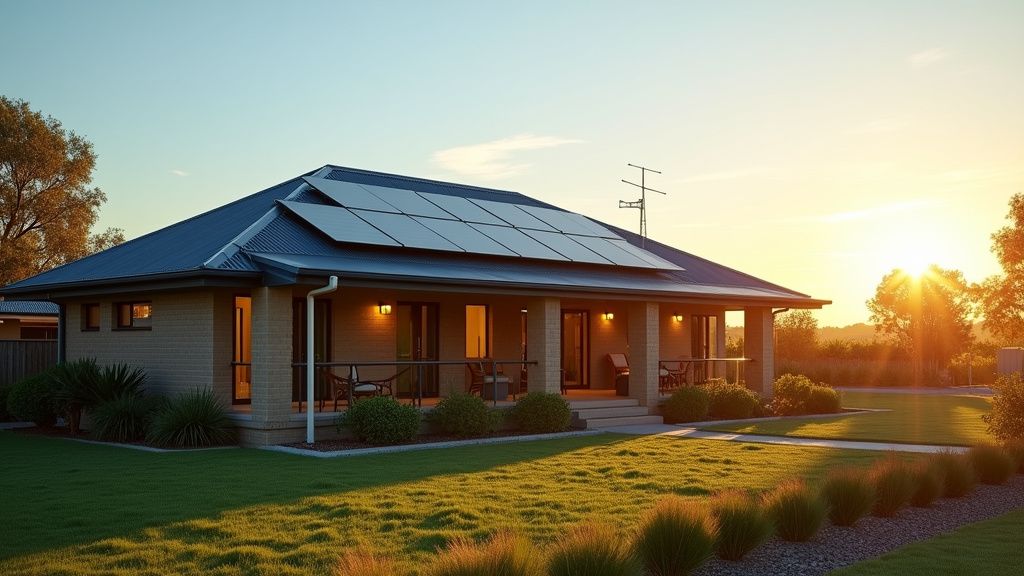
G'day, fellow Aussies! If you've joined the solar revolution, you're already making a smart move for your wallet and the planet. But simply having panels on your roof is just the first step. To truly harness the sun's power and shave hundreds, even thousands, off your electricity bills, it's all about maximizing your solar charging efficiency. This isn't just about generation; it's about smart consumption, understanding your system, and making informed choices. For a deeper dive into common solar issues, check out our Complete Guide.
Let's explore the key considerations for getting the most out of your rooftop solar investment.
1. The Power of Monitoring: Your Solar Dashboard
Imagine driving your car without a fuel gauge or speedometer. That's what it's like having solar without a reliable monitoring system. Modern solar setups typically come with user-friendly apps that provide real-time data on your system's performance – how much electricity it's generating, and often, how much you're consuming from both your solar and the grid.
Regularly checking this data is crucial. It helps you quickly identify if your system isn't performing as expected and, more importantly, it helps you understand your household's energy patterns. By seeing when your panels are producing the most power, you can strategically plan your energy-intensive activities. This knowledge is your first and most powerful tool for efficiency.
2. Embrace Self-Consumption: Use Your Own Sunshine!
This is arguably the biggest game-changer for solar savings. Every kilowatt-hour (kWh) you use directly from your solar panels is a kWh you don't have to buy from the grid. While you might get a feed-in tariff for exporting excess power, the rates for buying electricity from the grid are almost always significantly higher than what you get paid for exporting.
The golden rule? Use your major electric appliances when your solar system is actively generating power.
- Timers are your best friend: Set your dishwasher, washing machine, or even a slow cooker to run during the sunniest parts of the day. This simple trick can make a massive difference. Imagine coming home to a delicious meal cooked entirely by the sun!
- Adjust your daily routine: If you're home during the day, make a conscious effort to run appliances like vacuums or irons when the sun is shining. If you're out, consider smart plugs or appliance timers.
- Check your monitoring app: This will show you the peak generation times for your specific system, which might vary slightly depending on your roof's orientation and local weather.
By shifting your consumption, you're not just reducing your grid reliance; you're maximizing the value of every ray of sunshine hitting your panels.
3. Smart Tariff Choices: Tailoring Your Plan to Your Solar
Having solar changes your relationship with your electricity retailer, and it should change your electricity plan too. What might have been a good plan before solar might not be the most competitive now.


- Time-of-Use (TOU) Tariffs: If you're on a TOU plan, you pay different rates for electricity depending on the time of day (e.g., peak, shoulder, off-peak). With solar, your biggest benefit comes from reducing your grid consumption during expensive peak periods. By using your solar during the day, you naturally reduce these high-cost imports.
- Demand Charges: Some tariffs include a "demand charge," which is a fee based on the highest amount of electricity you draw from the grid at any one time, often over a 30-minute period. If you have this, avoid running multiple high-power appliances (like air conditioning, oven, and electric hot water) simultaneously when relying on grid power. Your solar can help here by supplying some or all of that power during the day.
Regularly review your electricity plan to ensure it's competitive and aligned with your solar generation and consumption habits. Don't be afraid to shop around!
4. Hot Water: A Solar Game-Changer
Electric hot water systems are often one of the biggest energy consumers in an Australian household. Many traditional systems are still timed to run overnight, sometimes on a cheaper "controlled load" tariff, managed by your electricity distributor.
Shifting your electric hot water heating to daytime solar generation can lead to substantial savings.
- Traditional Resistive Systems: These consume a lot of power. If your solar system isn't large enough to fully supply the demand, it will still draw from the grid. Carefully weigh the costs and benefits based on your specific electricity plan.
- Modern Heat Pump Systems: These are significantly more energy-efficient than traditional resistive systems, using much less electricity to heat water. If you're considering a new hot water system, a heat pump is often the most cost-effective and solar-friendly option.
- Professional Conversion: If you want to switch an existing controlled load hot water system to run off your solar, it's crucial to use an accredited electrician. This isn't a DIY job and needs to be done correctly and safely. Your solar retailer or installer can advise on the best options.
5. Electrify & Optimize: Appliances That Work With Your Solar
As your gas appliances reach the end of their life, consider replacing them with energy-efficient electric alternatives. This is a powerful step towards true home electrification, allowing you to maximize the use of your own solar power. Think induction cooktops, reverse cycle air conditioners (which are also efficient heaters), and electric ovens.
When upgrading any appliance, always check its energy rating. The more energy-efficient an appliance is, the less power it will draw, meaning your solar system can power it for longer, or more easily.
6. Keeping Your System in Top Shape: Professional Maintenance
Just like your car needs a service, your solar system benefits from periodic check-ups. Having an accredited solar installer or qualified electrician inspect and service your system ensures it's performing optimally and safely. They can identify and address any issues that might be hindering its efficiency, such as dirty panels, wiring problems, or inverter malfunctions.
By proactively monitoring, intelligently consuming, staying informed about tariffs, optimizing major appliances, and maintaining your system, you’re not just passively generating solar power – you’re actively leveraging it to create a more sustainable and financially savvy home. The sun is giving you free energy; it's up to you to catch every ray!


