TL;DR: The Lower Wonga project in Queensland demonstrates how large-scale solar power combined with significant battery storage can reliably supply heavy industrial operations. This model reduces reliance on grid electricity or fossil fuels, offering a stable and greener energy source that can be replicated across regional Australia.
What is the Lower Wonga Project and Why Does it Matter?
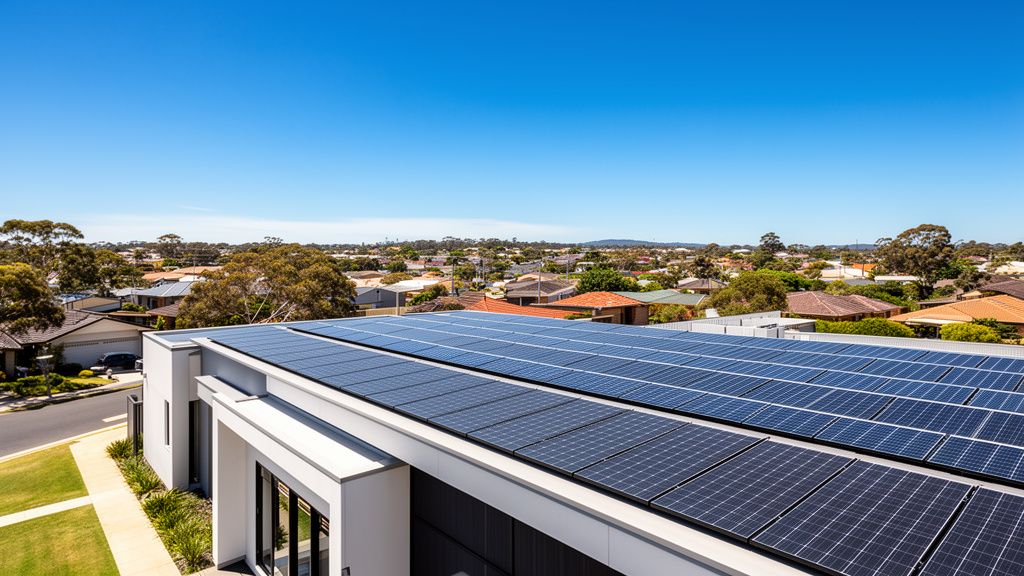
The Lower Wonga project is a large-scale integrated solar and battery storage facility in Queensland, designed to provide consistent renewable power directly to an industrial off-taker. Located near Kingaroy, this innovative facility showcases how renewable energy can meet the demanding, continuous power needs of Australian industry without relying solely on the grid. It consists of a substantial solar farm, generating megawatts of electricity, paired with a high-capacity battery energy storage system (BESS). This setup offers a predictable and stable power supply, which is essential for industries like mining, manufacturing, or agricultural processing that cannot tolerate power interruptions. The project matters because it moves beyond residential or small commercial solar, proving industrial-scale renewable energy supply is both feasible and economically attractive for major energy users.
Powering Heavy Industry Directly
Lower Wonga specifically targets the energy needs of large industrial operations, such as a nearby processing plant, by establishing a direct power purchase agreement. This arrangement bypasses the complexities and costs associated with transmitting power over long distances through the national grid, offering the industrial client a more secure and often cheaper long-term electricity price. For an industry that typically consumes millions of dollars worth of electricity annually, shifting to a dedicated renewable source hedges against volatile wholesale electricity markets and provides certainty over operating costs for decades. It also significantly reduces an industrial operation's carbon footprint, aligning with growing corporate sustainability targets and regulatory pressures. The direct connection means minimal transmission losses, delivering a highly efficient energy pathway from generation to consumption.
How Does Lower Wonga Tackle Renewable Energy Reliability for Industry?
Lower Wonga tackles the intermittency often associated with solar power through its integrated large-scale battery energy storage system. While the solar farm generates electricity during daylight hours, the battery bank stores excess energy for use when the sun isn't shining, or during peak demand periods. This sophisticated system uses real-time monitoring and advanced forecasting to manage energy flow, ensuring a consistent and reliable power output to the industrial load around the clock. If the solar farm produces more power than needed, the battery charges. If demand exceeds solar output, or at night, the battery discharges, maintaining a steady supply. This combined approach smooths out fluctuations inherent in solar generation, providing the firm, dispatchable power required by continuous industrial processes.
The Scale of Battery Storage at Lower Wonga
The battery storage at Lower Wonga is a significant component, typically measured in tens or even hundreds of megawatt-hours (MWh) of capacity. For example, a system might comprise 100MW of solar coupled with a 150MWh battery, capable of delivering power for several hours when the solar resource is low. This substantial capacity ensures that industrial operations remain online without interruption, even through cloudy periods, sundown, or during unexpected dips in solar generation. The battery also provides grid stability services if connected to the wider network, though its primary function here is firming up direct supply to the industrial client. This level of storage moves beyond simple buffering; it transforms intermittent solar power into a constant, dispatchable energy source, proving essential for industries that require uninterrupted electricity flow to avoid costly downtime.
What Lessons Does Lower Wonga Offer for Australia's Energy Transition?
The Lower Wonga project offers several critical lessons for Australia's broader energy transition, particularly for regional and industrial sectors. It demonstrates a viable model for decentralised industrial power generation, reducing the strain on the national grid and lessening reliance on fossil fuels, especially in areas far from traditional power stations. This blueprint shows that industrial-scale renewable energy projects can provide long-term energy security and price stability for businesses, making them more competitive. It also highlights the importance of combining generation with storage to create truly reliable renewable energy solutions. The success of Lower Wonga encourages other industries, especially those with high and consistent energy demands in remote locations, to explore similar on-site or near-site renewable energy solutions, accelerating Australia's shift away from carbon-intensive power.


Economic Advantages for Regional Industries
Lower Wonga presents compelling economic advantages for regional Australian industries. By securing power directly from a renewable source, businesses can lock in electricity prices that are generally lower and far more stable than purchasing from the open market, which has seen considerable volatility in recent years. This predictability in energy costs allows for better long-term financial planning and investment. Furthermore, these projects often create local employment opportunities during construction and ongoing maintenance, stimulating regional economies. For a large industrial site, investing in or partnering with such a project can mean annual savings of hundreds of thousands, if not millions, of dollars on electricity bills, making a substantial difference to their bottom line and operational resilience. This model helps future-proof regional industries against rising energy costs and carbon pricing.
Key Takeaways
- Lower Wonga demonstrates a successful model for integrating large-scale solar with battery storage to provide reliable, direct power to heavy industry.
- This approach offers industrial energy users long-term price stability, reducing exposure to volatile wholesale electricity markets.
- The project highlights how significant battery capacity effectively solves renewable energy intermittency for continuous industrial operations.
- Regional industries can use this blueprint to achieve energy security and lower operating costs while significantly cutting carbon emissions.
- Australia's energy transition benefits from these decentralised, high-reliability renewable solutions, reducing grid strain and fossil fuel dependence.
Read More
For a comprehensive overview, check out our master guide: Read the Full Guide Here.