TL;DR: Many Australian solar systems lose efficiency over time due to dirt, shading, or component degradation, often without owners realising. Regularly monitoring your system's output against expected performance helps identify these hidden issues early, saving you money on electricity bills and maintenance.
What common issues reduce solar panel output?
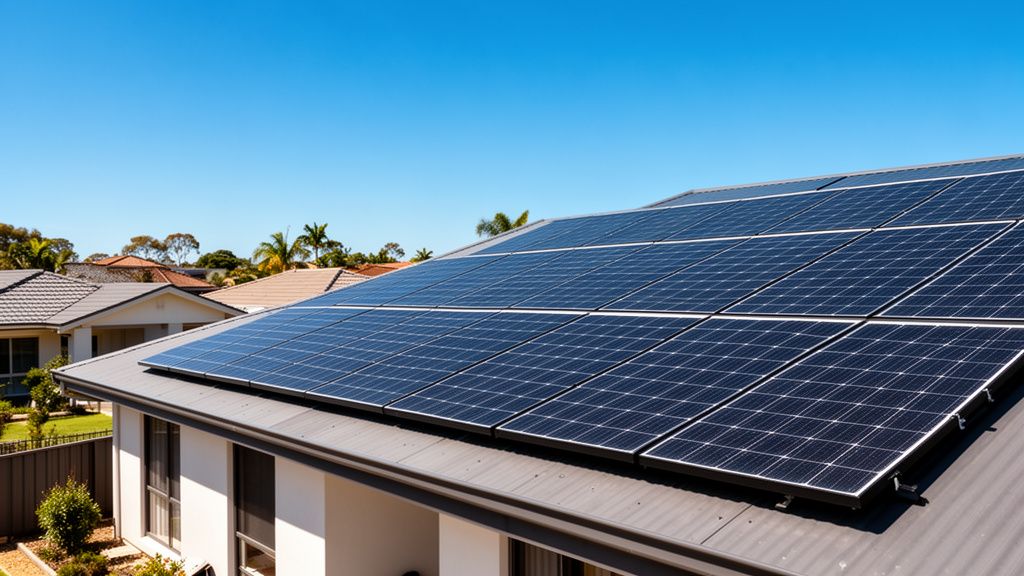
Several factors commonly cause solar panels to produce less power than expected. These issues often develop slowly, making them hard to spot without active monitoring. Understanding these common culprits helps homeowners identify potential problems early and keep their system running efficiently.
Dust, Dirt, and Bird Droppings
Accumulated dust, grime, and bird droppings are major contributors to reduced solar output. These layers block sunlight from reaching the photovoltaic cells. Even a thin layer of dust can cut efficiency by 5-10%, while thicker dirt or a cluster of bird droppings can cause a panel to underperform significantly more. This effect is especially noticeable in drier regions like Western Sydney or parts of South Australia, where dust storms are frequent. Rainfall helps wash some dirt away, but often isn't enough to completely clean the panels, especially on low-tilt roofs. Regular cleaning can restore lost production.
Partial Shading
Partial shading, even from small objects, severely impacts solar panel performance. A single leaf, a new tree branch, or even a neighbour's fence casting a shadow across one part of a panel can reduce output for the entire string of panels if the system uses a string inverter. This is because the weakest link dictates the strength of the chain. Modern systems with micro-inverters or optimisers mitigate this to some extent by isolating the affected panel, but even these systems cannot generate power from a fully shaded area. As trees grow or new structures are built, shading patterns can change, leading to silent underperformance.
How can you tell if your solar system is underperforming?
Recognising a drop in solar system performance often requires regular monitoring and understanding your electricity usage. Many homeowners install solar and then forget about it, only noticing a problem when their power bill unexpectedly rises. Proactive checks can save you money and headaches.
Monitoring Apps and Inverter Displays
Most modern solar inverters come with a monitoring app or an accessible display screen. These tools show your system's real-time and historical power generation. A 6.6kW system in Brisbane, for example, might consistently produce 28-30 kWh on a clear summer day. If you notice your daily output steadily dropping to 20-22 kWh under similar conditions, you have a clear indication of underperformance. Regularly checking these figures against past performance or what an online calculator predicts for your system size and location at a given time of year provides immediate insight. An unexpected dip in output on a sunny day is a red flag.
Unexpectedly High Electricity Bills
The most obvious sign of an underperforming solar system often appears on your quarterly electricity bill. Your solar system should significantly reduce the amount of power you purchase from the grid, especially during daylight hours. If your electricity bills start creeping up, despite no major changes in your household consumption patterns, your solar system might not be generating as much power as it should. Compare your current bill to bills from the same period in previous years, accounting for seasonal variations. A higher-than-usual 'usage from grid' or lower 'feed-in credit' could point to a system that needs attention.
What steps should you take if your solar system is underperforming?
If you suspect your solar system is underperforming, a systematic approach to troubleshooting is the best way forward. Addressing issues promptly stops further losses and extends the life of your investment. Don't ignore the warning signs.
Initial Checks You Can Do
First, check your inverter. Most inverters have status lights or a display screen. Look for any error messages or red lights indicating a fault. Sometimes, a simple tripped safety switch in your switchboard can shut down the inverter. Ensure the AC and DC isolator switches near the inverter and on the roof are in the "on" position. Next, visually inspect your panels from the ground, if safe to do so. Look for obvious dirt, leaves, or bird droppings. Check for any visible damage like cracked glass, which can happen after severe hailstorms. A professional clean often fixes many output issues. A reputable cleaner will charge around $100-$200 for a standard home system.


When to Call a Professional
If basic checks don't resolve the issue, or if you identify physical damage, it's time to call an authorised solar electrician. They have specialised equipment to diagnose problems that aren't visible to the naked eye, such as faulty optimisers, micro-inverter failures, or subtle wiring issues. They can also perform advanced tests to check panel efficiency and identify individual underperforming panels. An inspection might cost between $150 and $300, but it pays for itself by catching problems early before they lead to more significant energy losses or component failures. Insist on a licensed professional who understands solar systems specifically.
How much money does underperformance actually cost?
An underperforming solar system translates directly into higher electricity bills and a slower return on your initial investment. The financial impact can quickly add up, turning what should be a money-saving asset into an ongoing drain. Ignoring underperformance costs you more than just peace of mind.
Lost Savings and Increased Bills
Consider a typical 6.6kW solar system in Adelaide that should generate about 26 kWh per day on average. If it consistently underperforms by just 20%, generating only 20.8 kWh, you are losing 5.2 kWh daily. At an average retail electricity price of $0.35 per kWh, this is a daily loss of $1.82. Over a year, that adds up to over $660 in lost savings or increased electricity purchases. This calculation doesn't even factor in potential lost feed-in tariff income. The longer the problem persists, the larger the cumulative financial hit becomes, eroding your solar investment's value.
Impact on Payback Period
Solar systems offer a payback period, the time it takes for savings to offset the upfront cost. An underperforming system extends this period significantly. For a $5,000 6.6kW system, if your expected annual savings are $1,500, the payback period is roughly 3.3 years. If underperformance reduces those savings by $660 to $840 per year, your payback period stretches to almost 6 years. This nearly doubles the time it takes to recoup your investment. Regular maintenance and prompt issue resolution ensure your system delivers the financial benefits it promised and keeps its payback period on track.
Key Takeaways
- Monitor your solar system's daily output using your inverter app or display to catch performance drops early.
- Compare your electricity bills regularly; unexpected increases signal potential solar underperformance.
- Perform basic visual checks for dirt, shading, or obvious damage on your panels and inverter.
- Engage a licensed solar electrician for professional inspection if initial checks don't resolve performance issues.
- Address underperformance promptly to avoid significant financial losses and extend your system's payback period.
Read More
For a comprehensive overview, check out our master guide: Read the Full Guide Here.