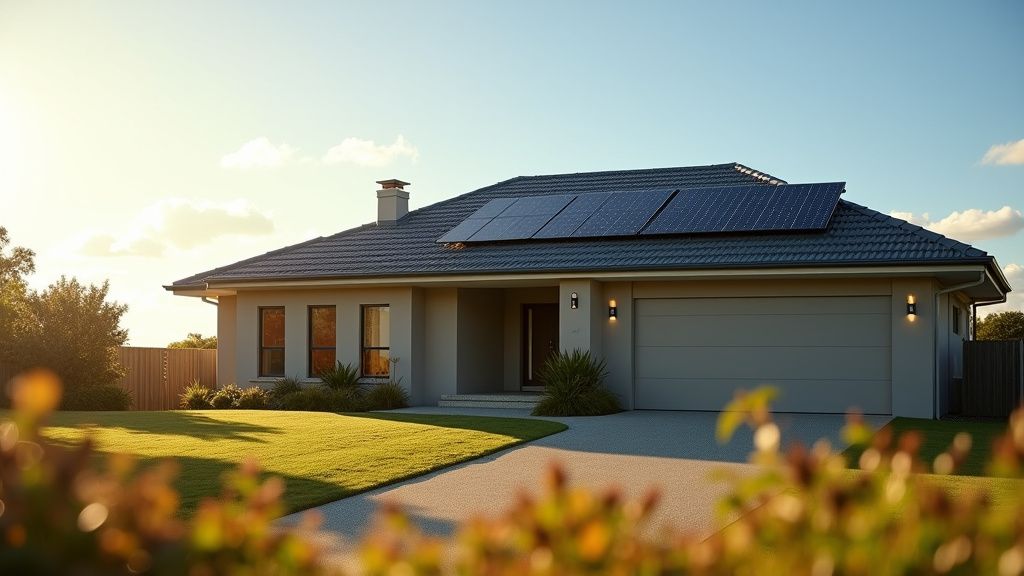
Is the JinkoSolar Tiger Neo 48-Cell Module Right for Your Home? A SolarInsights Deep Dive
Considering solar panels for your home in Australia? The market is constantly evolving, and JinkoSolar's Tiger Neo 48-cell module is making waves. This new panel is designed to deliver high power and long-term reliability, but is it the right fit for your specific needs? Let's delve into the details to help you decide. For a Complete Guide to this topic, click here!
What's the Buzz About the Tiger Neo 48-Cell Module?
JinkoSolar, a major player in the solar energy sector, has introduced this new module as a solution optimized for rooftop installations. It stands out due to several key features:
-
High Power Output: The module boasts a power output of up to 475W. This is achieved through the integration of TOPCon 3.0 cell technology. TOPCon, or Tunnel Oxide Passivated Contact, is a cell technology that improves efficiency in converting sunlight into electricity. Jinko Solar claims that their new tech can achieve module efficiency exceeding 23.77%. This means you can generate more electricity from a smaller area of your roof.
-
Enhanced Durability: Built with a dual-glass design and a robust 30mm aluminium frame, this module is engineered to withstand harsh weather conditions. It is certified to handle significant snow loads (up to 5,400 Pa) and wind pressure (up to 2,400 Pa), making it suitable for various Australian climates, including coastal and high-humidity regions.
-
Improved Aesthetics: The module features a sleek, all-black design, integrating the frame and junction box seamlessly. This aesthetic appeal is a plus for homeowners who are concerned about the visual impact of solar panels on their roof.
-
Long-Term Performance: Backed by an industry-leading 25-year product warranty and a 30-year linear power warranty, this module promises sustained performance over its lifespan. Independent laboratory testing suggests a minimal degradation rate of just 1% in the first year, followed by 0.4% annually.
Benefits of the 48-Cell Design:
The 48-cell configuration is specifically designed for residential and commercial rooftop applications. Here’s why it matters:
-
Optimized for Rooftops: With just 14 of these panels you can create a 6.6kW system. This panel size helps to cater to medium-to-large household energy demands.


-
Reduced Costs: Compared to lower-wattage panels, the higher power output of the 475W module can potentially reduce balance-of-system (BOS) costs by around 15%. BOS costs include expenses related to racks, clamps, and installation labour.
Is it Right for Your Home? Key Considerations:
Before making a decision, consider the following factors:
-
Your Energy Needs: Assess your current energy consumption and future needs. A higher-power module like the Tiger Neo 48-cell might be ideal if you have a large household, run energy-intensive appliances, or plan to add an electric vehicle in the future.
-
Roof Space: Evaluate the available roof space. If space is limited, high-efficiency panels like these can maximise energy generation.
-
Budget: While the Tiger Neo 48-cell module can potentially reduce overall system costs, compare quotes from multiple installers. Get a detailed breakdown of all expenses involved.
-
Climate: Consider the climate in your region. The module's durability makes it suitable for various Australian conditions, but ensure your installer takes local weather patterns into account during installation.
-
Aesthetics: If the appearance of your solar panels is important to you, the all-black design of the Tiger Neo 48-cell module might be appealing.
-
Installer Expertise: Choose a reputable and experienced installer who is familiar with JinkoSolar products and can provide expert advice on system design and installation.
Things to Consider for Australian Conditions:
-
Extreme Heat: Australia's summers can be brutal. While the Tiger Neo boasts improved resistance to light-elevated temperature induced degradation (LeTID), ensure adequate ventilation around the panels to mitigate heat build-up.
-
Coastal Environments: Salt spray can corrode solar panels. The enhanced PID resistance of the Tiger Neo is a plus for coastal installations, but regular maintenance and cleaning are still essential.
-
Warranty and Support: JinkoSolar has a presence in Australia, which means local support and warranty claims should be relatively straightforward.
Conclusion:
The JinkoSolar Tiger Neo 48-cell module offers a compelling combination of high power output, durability, and aesthetics. It's a strong contender for homeowners seeking a reliable and efficient solar solution. However, carefully assess your individual needs, budget, and local climate conditions before making a final decision. Contact several local installers for quotes and expert advice. With thorough research, you can determine if the Tiger Neo 48-cell module is the perfect fit for powering your Australian home.