As we look ahead to 2026, many Australian households are still grappling with a relentless surge in electricity costs and the overall squeeze of living expenses. It's a reality that's pushing more and more people to seek out genuine ways to trim down essential household spending – and electricity is often at the top of that list. Solar power, with its promise of long-term savings and energy independence, frequently emerges as a shining solution. But with an initial investment required, the big question remains: is solar truly worth it to save money in the coming years?
For a deeper dive into system quality, check out our Complete Guide.
The Evolving Energy Landscape: Why 2026 Looks Promising for Solar
The trend of escalating energy prices shows no signs of abating. In fact, many experts predict they will continue their upward trajectory. This challenging environment for consumers, however, creates a remarkably compelling case for residential solar. What makes it even more attractive right now, and as we approach 2026, is that the cost of solar panels in Australia has reached an unprecedented low. This combination of rising electricity bills and affordable solar technology is transforming solar from a niche option into what's often described as a 'no-brainer' for many homes. Over three million Australian homes have already embraced solar, a testament to its growing appeal and undeniable benefits.
How Solar Translates into Real Savings
At its core, the financial benefit of solar is simple: you generate your own electricity instead of buying it from the grid. A well-designed solar power system can produce electricity for around 5-6 cents per kilowatt-hour (kWh). Compare that to typical grid prices, which often hover between 25-35 cents per kWh for a flat rate, and can soar to over 50 cents per kWh during peak periods on time-of-use tariffs. The difference is stark and immediately highlights the potential for substantial savings.
For example, a good quality 10kW solar system, which might cost around $12,000 fully installed today, can generate approximately 40 kWh of solar energy daily (averaged across the year). If you're currently paying 30 cents per kWh and effectively use all the solar energy as it's generated, you could see annual savings of $4,000 or even more on your power bills. This means a return on your investment could be achieved in as little as 3 to 5 years.
Sizing Your System: The Key to Maximising Your Return
To truly maximise your financial returns, understanding your home's energy consumption is paramount. The right-sized system ensures you generate enough power to significantly offset your grid usage without overspending on an unnecessarily large setup.

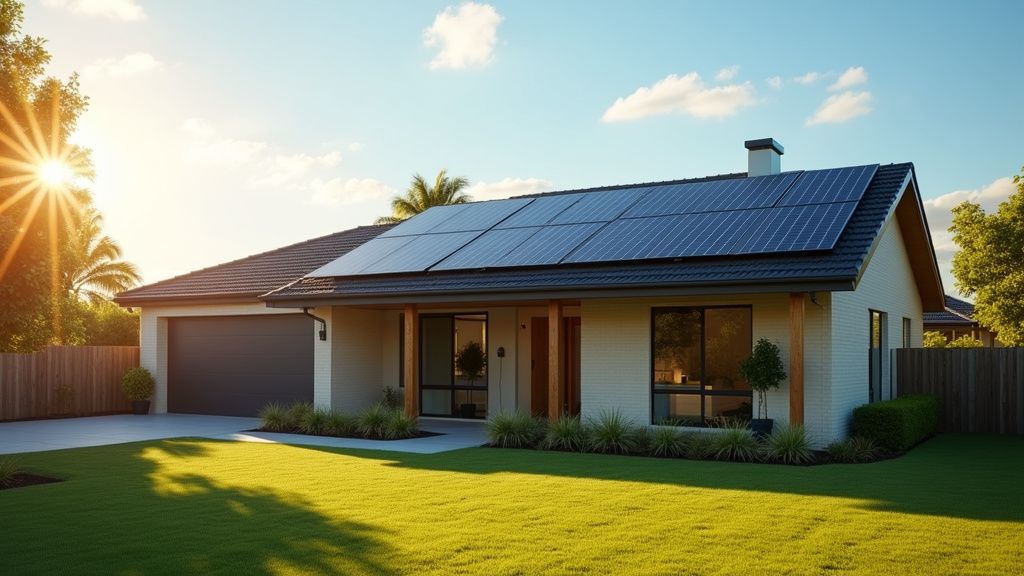
For instance, a 5kW system, common in areas like Sydney, might generate around 20 kWh of solar energy per day. If you manage to use all this power during daylight hours, it could reduce a quarterly power bill by approximately $500. As a general guideline, if your quarterly power bill is consistently over $400-$500, solar power is very likely to deliver significant savings. The larger your current bill, the more potential there is to save, making solar an increasingly valuable investment. To assess your potential savings, simply check your current power bill to see how much you pay per kWh (including GST) – that's what you save for every kWh of solar power you use in your home.
Supercharging Savings with Solar Batteries
While daytime usage of solar power offers substantial benefits, the addition of a Solar Battery elevates your savings potential dramatically. Batteries allow you to store any excess solar energy generated during the day and use it during the evening or night, when your system isn't producing power. This drastically reduces your reliance on the grid, even outside of daylight hours.
With a battery, you can come very close to powering your entire home with solar. In this scenario, your system can be sized based on your total average daily power usage (24 hours) rather than just your daytime consumption. For example, where an 8kW system without a battery might need 32 kWh of daytime usage to be most efficient, with a battery, you only need an average daily (24-hour) usage of 32 kWh to make it highly beneficial. This flexibility makes solar an even more attractive proposition, particularly for households with higher overall energy demands.
The Pitfall of 'Cheap' Solar: Invest in Quality
While the record-low prices of solar panels are enticing, it's crucial to exercise caution. The market is awash with budget solar options that might appear to offer a quick return, but they often come with hidden risks. Poor-quality components, unreliable warranties, and questionable installers can lead to subpar performance, frequent issues, and ultimately, higher long-term costs.
Investing in reputable brands and choosing a certified, experienced installer is vital for securing a system that performs consistently, lasts longer, and truly delivers on its promise of savings. A premium quality system, though perhaps a slightly higher initial outlay, provides superior reliability and better long-term financial benefits.
The Verdict for 2026: A Sound Financial Decision
Looking towards 2026, the case for solar power in Australia as a money-saving investment is stronger than ever. With electricity prices continuing to climb and the cost of solar technology remaining highly competitive, the opportunity to generate your own clean energy and drastically reduce your power bills is significant.
A well-sized, quality solar system, particularly when paired with battery storage, offers not just financial savings but also greater energy security and peace of mind. By carefully assessing your energy needs, understanding the quality difference in components, and choosing a reliable installer, solar power remains one of the smartest financial decisions an Australian household can make to take control of their electricity costs in 2026 and beyond.