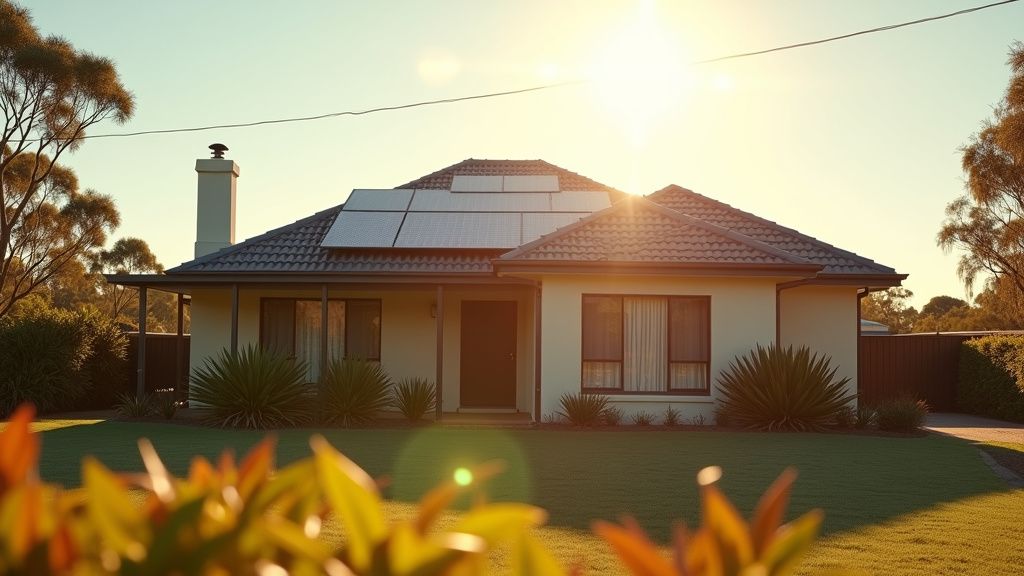
For many Australian homeowners, the question of solar power has evolved from a futuristic concept to a genuine consideration for our energy needs. But with shifting policies, technological advancements, and a dynamic energy market, is investing in solar panels still a smart move as we head into 2025? Let's cut through the noise and provide a clear perspective. For a deeper dive into panel selection, check out our Complete Guide.
The Evolving Energy Landscape in 2025
Australia continues to grapple with volatile electricity prices, a trend that shows little sign of reversing. Blackouts and grid stability concerns also prompt many to seek greater energy independence. This backdrop makes renewable solutions like solar incredibly attractive. By 2025, several key factors will shape solar's value proposition:
- Persistent High Electricity Prices: We're not expecting a dramatic drop in retail electricity costs. If anything, the trend in most states suggests continued upward pressure, making any savings from solar even more impactful.
- Mature Technology, Stable Pricing: Solar panel technology is highly developed and efficient. While dramatic price drops for panels themselves have slowed, the overall cost of a quality installed system remains competitive, especially considering the benefits.
- Shifting Incentives: Federal and state government incentives are still available, but their structure and value continue to evolve, requiring homeowners to be well-informed.
- The Rise of Batteries: Battery storage is becoming increasingly viable, transforming solar from a daylight-only solution into a comprehensive home energy system, offering greater independence and maximised savings.
The Financial Equation: Breaking Down the Costs and Savings
At its core, solar power is an investment designed to reduce your electricity bills. Let's look at the numbers.
Upfront Costs in 2025
A typical residential solar system in Australia ranges from 6.6kW to 10kW. As of 2025, you could expect to pay anywhere from $5,000 to $9,000 for a high-quality 6.6kW system, after factoring in federal government incentives. Larger systems will naturally cost more. Remember, price varies significantly based on component quality (panels, inverter), installation complexity, and the specific installer.
Government Rebates and Support
The primary federal incentive, the Small-scale Technology Certificate (STC) scheme, will still be in play in 2025. These certificates effectively provide an upfront discount on your system. However, the value of STCs diminishes each year until the scheme concludes in 2030. This means that while they still offer significant savings, the incentive in 2025 will be slightly less than it was in 2024.
Additionally, various state and territory governments offer their own incentives. For example:
- Victoria has offered rebates and interest-free loans for solar panels and batteries.
- New South Wales has piloted interest-free loan programs for solar and batteries.
- Queensland has also provided loans for solar and storage. It's crucial to research the specific programs available in your state or territory, as these can significantly reduce your net outlay.
Electricity Bill Savings: The Main Event
This is where solar truly shines. By generating your own power, you directly offset the electricity you would otherwise buy from the grid at retail rates (which can be 25-40 cents per kilowatt-hour, or even more during peak times). For an average Australian household with a well-sized system, savings can easily amount to $1,500 - $3,000 per year, depending on consumption patterns, system size, and electricity tariffs.
The key to maximising these savings in 2025 is self-consumption. Using your solar power as it's generated (running appliances during the day) is far more financially beneficial than exporting it to the grid.
Feed-in Tariffs (FiTs)
While historically a big selling point, feed-in tariffs — the amount your energy retailer pays you for excess electricity exported to the grid — have continued their downward trend. In 2025, expect FiTs to remain modest, typically in the range of 5-12 cents per kilowatt-hour. They are still a nice bonus, but they should not be the primary financial driver for installing solar. The real value is in reducing your reliance on grid power.
Return on Investment (ROI) and Payback Period
Considering the current costs and savings, a well-designed and installed solar system in Australia can typically achieve a payback period of 4 to 7 years. After this period, the electricity you generate is essentially free, saving you thousands of dollars over the system's 20-25+ year lifespan. This represents an excellent return on investment, often outperforming many other financial products.
Beyond the Panels: Battery Storage in 2025
The biggest game-changer for solar's value in 2025 is the increasing affordability and capability of battery storage.
- Maximised Self-Consumption: A battery stores your excess solar power during the day, allowing you to use it at night instead of buying expensive grid electricity. This significantly increases your self-sufficiency.
- Blackout Protection: Many battery systems offer backup power, providing peace of mind during grid outages.
- Future Proofing: Integrating a battery now positions your home for future energy management systems, including smart home automation and potential vehicle-to-grid (V2G) technology for electric vehicles.
While batteries still add a significant upfront cost (often $8,000 to $15,000+ installed), their improving economics and the benefits of energy independence make them an increasingly compelling addition for many households. State-based battery rebates can also make them more accessible.
Hidden Value and Other Benefits
Financial savings aren't the only reason to go solar:
- Environmental Impact: Reducing your carbon footprint and contributing to a cleaner energy future remains a powerful motivator.
- Increased Property Value: Homes with solar panels are often more attractive to buyers and can command a higher resale value.
- Energy Independence: Gaining greater control over your energy usage and bills provides a significant sense of security and autonomy.
Making Your Decision in 2025
So, is solar power still worth it in 2025? Absolutely, for the vast majority of Australian homeowners. The high cost of grid electricity, combined with mature, efficient, and increasingly affordable solar technology, makes it a sound financial and environmental decision.
However, the "worth" depends on your specific circumstances:
- Your Electricity Consumption: High users benefit most.
- Your Roof: Adequate space, minimal shading, and good orientation are key.
- Your Budget: While upfront costs have decreased, it's still an investment.
- Your Future Plans: Considering battery storage or an electric vehicle? Solar is a foundational step.
The key takeaway for 2025 is to focus on quality, intelligent system design, and maximising self-consumption. Don't chase the cheapest option; seek reliable products and reputable installers. Get multiple quotes, understand the components, and assess how a system will integrate with your household's unique energy needs.
By embracing solar, you're not just installing panels; you're investing in a more sustainable, independent, and cost-effective energy future for your home.