Sun's Out, Savings On: Your Step-by-Step Guide to Maximising Solar Rebates in WA
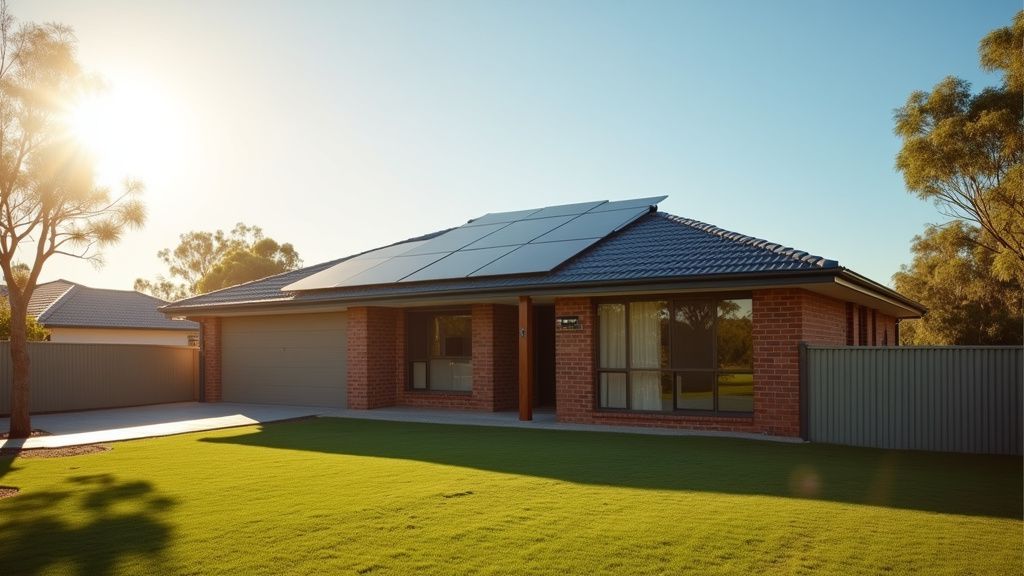
Western Australia, blessed with abundant sunshine, is the perfect place to embrace solar power. While WA doesn't currently offer state-specific solar rebates, don't let that deter you! There are still significant financial incentives available to make your solar dreams a reality. This guide will walk you through the steps to claiming the maximum solar rebates and savings available in WA, helping you reduce your upfront costs and enjoy cheaper electricity bills for years to come.
Step 1: Understand the Federal Government's Small-scale Renewable Energy Scheme (SRES)
The SRES is the primary financial incentive available to WA residents installing solar panels. It works by providing Small-scale Technology Certificates (STCs) for every megawatt-hour of renewable energy your system is expected to generate over its lifetime (usually around 10 years). Think of it as a "discount upfront" based on your system's future performance.
- How it Works: The number of STCs your system is eligible for depends on its size, location, and the deeming period (the remaining years in the scheme).
- Turning STCs into Savings: You don't have to deal with the complexities of selling STCs yourself. Most solar installers will handle this process. They'll typically offer you a discounted price on your system upfront, effectively buying your STCs from you.
- Maximising Your STC Value: Get quotes from multiple installers. They might offer slightly different prices for your STCs, impacting the overall cost of your system. Shop around to secure the best deal.
- Calculate your STCs: You can use online calculators to estimate how many STCs your system might be eligible for. This helps you understand the potential savings before getting quotes.
Step 2: Get Familiar with the Distributed Energy Buyback Scheme (DEBS)
DEBS is WA's feed-in tariff scheme, allowing you to earn credits on your electricity bill for any excess solar energy you export back to the grid. This is where your solar panels continue to save you money long after installation!
- How DEBS Works: When your solar panels generate more electricity than your home consumes, the surplus is sent back to the grid. Your energy retailer (Synergy or Horizon Power) will credit your account for this exported energy.
- Time-Varying Rates: Unlike older schemes, DEBS features time-varying rates. This means you earn more for exporting energy during peak demand periods, incentivising you to generate and export power when it's most valuable to the grid.
- Understanding the Rates: Payment rates depend on the time of day. Peak times usually offer the highest rates. Off-peak and shoulder periods have lower rates. Check with your energy provider (Synergy or Horizon Power) for their specific DEBS rates.
- Application Process: Your solar installer will usually handle the DEBS application process for you when setting up or upgrading your system.
- Maximize your Buyback: Shift your energy usage to daylight hours. Run appliances like washing machines, dishwashers, and pool pumps during the day to maximise your solar consumption and minimise exports during lower-priced periods.
Step 3: Keep an Eye Out for the Upcoming Residential Battery Scheme (2025)

While not yet available, the WA Government is launching a significant Residential Battery Scheme in July 2025, worth $387 million. This scheme aims to increase battery adoption across the state.
- Key Features: The scheme will offer interest-free loans of up to $10,000 for lower and middle-income households to purchase battery systems.
- Eligibility: Battery systems must be at least 5kWh and "Virtual Power Plant (VPP) ready". A VPP essentially allows your battery to be coordinated with other batteries to support the electricity grid.
- Timing: Applications are expected to open in mid-2025, with a phased rollout.
- Planning Ahead: If you're considering solar, factoring in the potential for a battery in the future could be wise. Look for systems that are battery-ready.
Step 4: Explore Local Council Initiatives like Switch Your Thinking (SYT)
Several local councils in Perth participate in the Switch Your Thinking (SYT) program.
- Discounts and Resources: SYT offers residents and businesses in participating councils discounts on sustainable products and services, as well as resources to help conserve energy.
- Check Your Council's Involvement: See if your local council participates in SYT to access potential additional savings or benefits related to solar installation.
Step 5: Choose the Right Solar Installer
Selecting a reputable and experienced solar installer is crucial for a smooth and successful installation.
- Accreditation: Ensure your installer is accredited by the Clean Energy Council (CEC). This guarantees they meet industry standards and are qualified to install solar systems.
- Experience: Look for installers with a proven track record and positive customer reviews.
- Quotes: Get quotes from multiple installers to compare pricing, system components, and warranty terms.
- Inclusions: Clarify what's included in the quote (e.g., installation, STC processing, DEBS application).
In Conclusion:
Going solar in WA is a smart investment, offering significant savings on your electricity bills and contributing to a cleaner environment. By understanding the available incentives, particularly the SRES and DEBS, and keeping an eye on the upcoming battery scheme, you can maximise your savings and make the most of WA's abundant sunshine. Don't hesitate to contact a CEC-accredited installer to start your solar journey today!