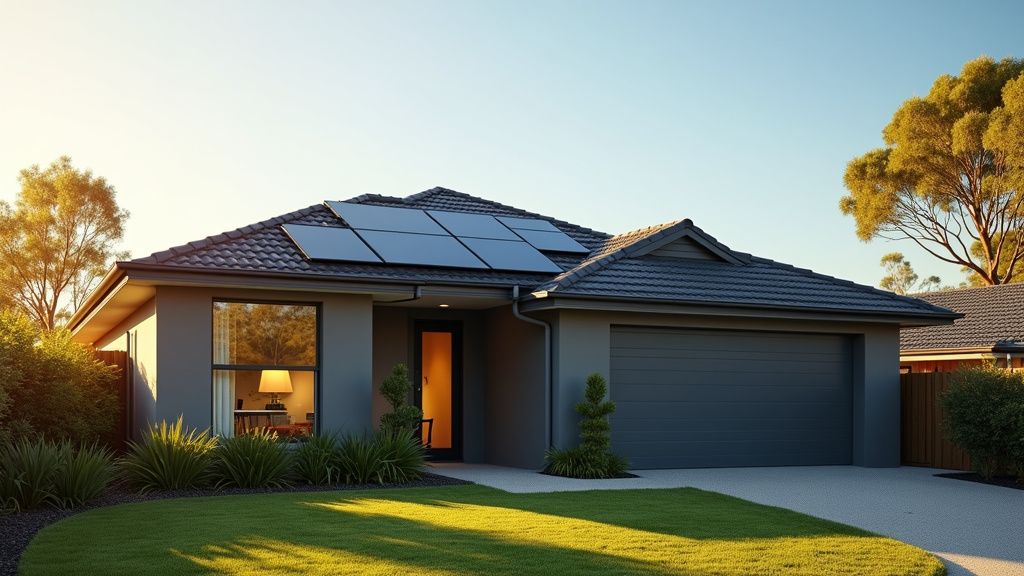
Roof Space Realities: How Your Roof Impacts a 6.6kW Solar System Installation
Thinking about making the switch to solar power? A 6.6kW solar system is a popular choice for Australian homes, offering a sweet spot between affordability and energy production. But before you jump in, it's crucial to understand how your roof's characteristics will influence the installation process and the overall performance of your system.
This blog post, brought to you by SolarInsights, will delve into the crucial factors surrounding roof space and how it relates to installing a 6.6kW solar system. If you're after even more comprehensive information, be sure to check out our Complete Guide for a detailed overview.
Sizing It Up: Panel Numbers and Roof Area
A 6.6kW solar system typically requires between 15 and 20 solar panels, depending on the wattage of each individual panel. Older panels might produce around 330W each, while newer, more efficient panels can generate upwards of 460W. Naturally, the higher the wattage of each panel, the fewer you'll need to reach that 6.6kW target.
So, what does this translate to in terms of roof space? As a general rule of thumb, you’ll need around 30-40 square metres of unobstructed roof area. Each panel occupies approximately 1.7 square metres, but factors like roof layout, the need for spacing, and whether tilt frames are required, can increase this figure. Tilt frames, used to optimize the panel's angle to the sun, particularly during winter, require even more space.
Orientation and Pitch: Maximising Sunlight Capture
The orientation and pitch of your roof are vital factors in determining how much energy your solar system will generate. A north-facing roof is generally considered ideal in Australia, as it receives the most direct sunlight throughout the day. East and west-facing roofs can still be viable options, although they might produce slightly less energy overall.
The pitch, or angle, of your roof also plays a role. A steeper pitch can be advantageous in winter when the sun is lower in the sky, while a shallower pitch might be better in summer when the sun is higher. Solar installers will assess your roof's orientation and pitch to recommend the optimal panel placement for maximum energy production.
Obstacles and Shading: Identifying Potential Problems
Before committing to a solar installation, it’s essential to identify any potential obstacles or sources of shading on your roof. Trees, chimneys, antennas, and even nearby buildings can cast shadows on your panels, significantly reducing their energy output.


A professional solar installer will conduct a site assessment to identify and address these issues. This might involve trimming trees, relocating antennas, or adjusting the panel layout to minimize shading. In some cases, micro-inverters or optimizers can be used to mitigate the effects of shading by allowing each panel to operate independently.
Inverter Considerations: The Heart of Your System
While you’re installing 6.6kW worth of solar panels, you might find your installer recommending a 5kW inverter. Why? In Australia, 5kW inverters are generally pre-approved for grid connection, making them a more common and readily available option.
Many 6.6kW solar systems are therefore "overclocked" systems, using a 5kW inverter. According to Clean Energy Council guidelines, a 5kW inverter can be overclocked by a maximum of 33%, allowing it to handle up to 6.6kW of solar panels. While peak production might be limited to 5kW during the sunniest hours, overclocking can boost energy yields in the early morning and late afternoon.
Cost Considerations: What to Expect
As of 2025, the average cost of a fully installed 6.6kW solar system in Australia is around $5,800 after factoring in the federal STC rebate. This translates to approximately $0.89 per watt. However, prices can vary depending on your location, the quality of the panels and inverter, and the complexity of the installation. Keep in mind that more remote locations may incur higher installation costs.
Don't forget Location Matters
The location that you live in will affect the amount of sunlight and amount of electricity your panels will produce. It is best to research the Bureau of Meteorology data to get a good idea of expected production.
Getting Started: Finding the Right Installer
Choosing the right solar installer is crucial for a successful installation. Look for companies with a proven track record, Clean Energy Council accreditation, and positive customer reviews. A reputable installer will conduct a thorough site assessment, provide a detailed quote, and guide you through the entire process.
Investing in a 6.6kW solar system can be a smart move for Australian homeowners looking to reduce their energy bills and embrace clean energy. By understanding how your roof space affects the installation process, you can make informed decisions and ensure that your system performs optimally for years to come.
Disclaimer: Prices and energy production figures mentioned in this article are approximate and may vary depending on specific circumstances.