TL;DR: Renewable energy sources, especially solar, are fundamentally reshaping Australian data centre design by demanding unparalleled energy efficiency, enabling strategic site selection near clean energy hubs, and driving innovation in cooling and power infrastructure. This shift creates a greener, more resilient, and ultimately more cost-effective digital future for our country's critical data infrastructure.
Why Are Australian Data Centres Rapidly Turning to Renewable Energy Sources?
Data centres are rapidly adopting renewable energy sources primarily due to their enormous and ever-growing electricity demands and the pressing need to reduce their significant carbon footprint. In Australia, where sunshine is abundant, the economic and environmental case for solar and other renewables is particularly compelling. These digital powerhouses consume vast amounts of electricity, not just for computing, but also for the extensive cooling systems required to prevent overheating. This makes them major contributors to grid load and carbon emissions if powered by traditional fossil fuels. The transition to renewables isn't merely a trend; it's a strategic imperative for long-term sustainability and operational resilience in a nation committed to decarbonisation.
The Escalating Energy Appetite of Digital Infrastructure
Modern data centres are voracious energy consumers, often drawing power equivalent to a small town. As our digital economy expands, with more cloud services, AI, and big data analytics, this energy demand is only set to increase. Running 24/7, facilities can chew through tens of millions of dollars in electricity bills annually. For instance, a medium-sized data centre might consume 20-30 gigawatt-hours (GWh) per year – a substantial load that, when sourced from the grid at typical commercial rates of $0.15-$0.25 per kWh, quickly adds up. Switching to cheaper, stable renewable energy offers a significant hedge against volatile fossil fuel prices, securing long-term operational cost predictability for Aussie operators.
Corporate Sustainability Goals and Public Pressure
Beyond economics, Australian companies face increasing pressure from investors, customers, and regulatory bodies to demonstrate strong Environmental, Social, and Governance (ESG) performance. Achieving net-zero emissions targets is becoming a key differentiator and a license to operate for many large corporations. Data centre operators, as significant energy users, are at the forefront of this scrutiny. By powering their operations with certified renewable energy, they can substantially reduce their Scope 2 emissions, improve their brand image, and align with global sustainability benchmarks, appealing to environmentally conscious clients and securing their social licence.
How Are Renewables Being Integrated into Australian Data Centre Operations?
Renewable energy is being integrated into Australian data centre operations through a multi-faceted approach, encompassing significant on-site generation, robust off-site Power Purchase Agreements (PPAs), and increasingly, direct connections to renewable-powered grids. This strategic blend ensures a reliable and sustainable power supply, leveraging Australia's natural resources to their full potential. From sprawling rooftop solar arrays to partnerships with large-scale wind farms in the outback, data centre architects are rethinking traditional energy procurement models.
On-Site Solar Solutions and Battery Storage
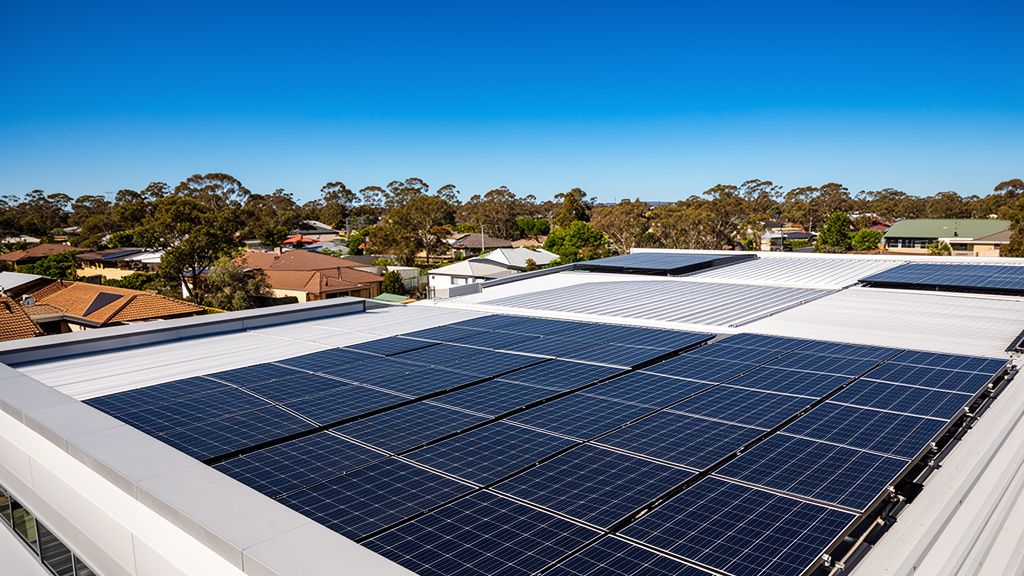
Many Australian data centres are installing substantial on-site solar photovoltaic (PV) systems, particularly large rooftop arrays or ground-mounted installations on adjacent land. These systems can offset a significant portion of daily energy demand, reducing reliance on grid power and lowering operational costs. For example, a 1MW rooftop solar system, costing around $1 million to $1.5 million, could generate approximately 1,400-1,600 MWh annually, depending on location. Paired with advanced battery energy storage systems (BESS), these facilities can store excess solar generation for use during peak demand or grid outages, enhancing energy independence and contributing to grid stability.
Large-Scale Off-Site Power Purchase Agreements (PPAs)
For data centres that cannot meet all their energy needs through on-site generation, Power Purchase Agreements (PPAs) are a popular solution. These long-term contracts allow data centre operators to procure electricity directly from specific, newly built or existing renewable energy projects (like solar farms in Queensland or wind farms in South Australia). This guarantees a predictable electricity price for 10-20 years, bypassing market volatility. Many major tech companies operating in Australia have signed such PPAs, effectively "virtually" powering their operations with clean energy, even if the electrons don't directly flow to their facility, ensuring they fund new renewable capacity.
What Design Innovations Are Emerging from Renewable Energy Adoption?
The adoption of renewable energy is driving significant design innovations in data centres, influencing everything from geographical site selection to advanced cooling systems and more efficient power distribution. No longer simply concrete boxes, modern data centres are becoming sophisticated ecosystems engineered to maximise energy efficiency and integrate seamlessly with green power sources, reflecting a holistic approach to sustainable infrastructure. This paradigm shift is creating facilities that are not only greener but also more resilient and adaptable to future energy landscapes.
Strategic Site Selection Near Renewable Hubs
Data centre developers are increasingly prioritising locations close to large-scale renewable energy generation sites or major renewable energy zones (REZs). In Australia, this means looking towards areas with abundant sun or wind resources, often in regional areas, where land is cheaper and grid connections to renewables are strong. Placing facilities near these clean power sources reduces transmission losses and allows for more direct, reliable access to green energy. This also opens up opportunities for co-location, where data centres are built directly adjacent to solar or wind farms, creating truly "green-powered" campuses.


Optimising Cooling and Power Infrastructure for Green Energy
Renewable energy integration is prompting a re-evaluation of data centre cooling and power delivery. Innovations include using natural free-cooling methods (like evaporative cooling or economisers) that leverage cooler ambient air, especially beneficial in Australia's drier regions. Advanced liquid cooling solutions, which are significantly more energy-efficient than traditional air cooling, are also gaining traction. Furthermore, there's a growing interest in direct current (DC) power distribution within data centres, as it reduces energy losses associated with multiple AC-DC conversions, especially when integrating with DC-native solar and battery storage systems.
What Are the Key Benefits for Australian Data Centres and the Grid?
Integrating renewable energy offers Australian data centres a multitude of benefits, including substantial long-term operational cost savings, significant reductions in carbon emissions, enhanced brand reputation, and crucial contributions to a more stable national energy grid. This shift doesn't just benefit individual operators; it plays a vital role in Australia's broader energy transition, fostering innovation and resilience across the digital and energy sectors. The positive ripple effects extend from corporate bottom lines to national energy security.
Financial and Environmental Advantages
The financial benefits for Australian data centres are compelling. Locking in long-term renewable energy prices through PPAs provides insulation against the volatility of the wholesale electricity market, which can fluctuate wildly. Over the operational life of a facility, these savings can amount to millions of dollars. Environmentally, the shift dramatically cuts Scope 2 carbon emissions, helping companies meet their sustainability targets and contribute to Australia's climate goals. This also often makes them eligible for various government incentives or carbon credit schemes, further bolstering their financial case and demonstrating corporate responsibility.
Enhancing Grid Resilience and Energy Independence
By incorporating on-site generation and battery storage, data centres can reduce their reliance on the centralised grid, improving their energy independence and resilience against grid disturbances. This local generation can also support the broader grid, especially during peak demand periods. When equipped with smart energy management systems, data centres can participate in demand response programs, adjusting their consumption to help balance the grid and prevent blackouts. This symbiotic relationship transforms data centres from mere consumers into active, beneficial participants in Australia's evolving, decentralised energy network.
Key Takeaways
- Australian data centres are adopting renewables to cut massive energy costs and reduce their significant carbon footprint.
- Integration methods include on-site solar with battery storage and long-term Power Purchase Agreements (PPAs) with off-site renewable projects.
- Design innovations focus on strategic site selection near clean energy hubs and optimising cooling/power infrastructure for efficiency.
- Benefits include substantial financial savings, reduced environmental impact, and enhanced grid resilience through local generation and demand response.
- This transformation positions Australian data centres as leaders in sustainable digital infrastructure, supporting national energy goals.
Read More
For a comprehensive overview, check out our master guide: Read the Full Guide Here.