TL;DR: Inflation directly increases the cost of generating, transmitting, and retailing electricity, pushing up your power bills. Households can combat these rising costs by reducing energy consumption, finding a better retail deal, or installing a solar power system to generate their own electricity.
How Does Inflation Directly Influence Your Electricity Bill?
Inflation increases the base costs across the entire electricity supply chain, which then translates into higher charges on your quarterly bill. The price of fuel for power stations, the expense of maintaining the grid, and the operational costs for retailers all rise when the general cost of goods and services climbs. This means the per-kilowatt-hour charge you pay often goes up, even if your usage stays the same. For instance, the AEMO's Quarter 4 2023 report showed wholesale electricity prices in the National Electricity Market (NEM) remained higher than pre-2022 levels, despite some falls from peak, due to persistent generator input cost pressures.
Fuel Costs and Wholesale Prices
The main driver of wholesale electricity prices in Australia remains the cost of fuel for thermal power stations. Gas and coal prices have seen significant volatility globally, partly due to inflationary pressures and international events. When gas, coal, or even the materials to build and maintain renewable generators become more expensive, the cost for generators to produce electricity increases. These higher production costs are then passed on to electricity retailers through the wholesale market. Retailers, in turn, pass these increased wholesale costs onto consumers in their retail tariffs. This directly affects the supply charge and usage rates you see on your bill. A recent example is the large increases some retailers applied in mid-2023, reflecting these elevated wholesale costs.
Network Charges and Infrastructure Upgrades
Inflation also impacts the "network charges" component of your bill. These charges cover the cost of maintaining and upgrading the poles, wires, and substations that deliver electricity to your home. Labour, materials like copper and steel, and equipment for network maintenance all become more expensive in an inflationary environment. Network businesses, regulated by the Australian Energy Regulator (AER), then apply to recover these increased costs through higher charges to retailers. Retailers then factor these higher network charges into their retail electricity plans. These charges typically make up a significant portion of your bill, often 40-50% depending on your location and usage, making them a key area where inflation bites.
Can Switching Retailers Offer a Real Saving?
Switching retailers can offer some savings, but these are often modest and temporary in an inflationary market. While a new retailer might offer an attractive introductory discount, the underlying costs of electricity generation and delivery are rising across the board. This means even the 'cheapest' plans will likely reflect these broader market increases sooner or later. Energy comparison websites can help you find current offers, but always check the fine print for benefit periods and post-discount rates. Most Australian households can save around $150-$300 annually by switching, according to the AER's latest reports, though this figure can fluctuate.
The Reality of Energy Retailer Competition
Australia has a competitive energy market in most states, with numerous retailers vying for customers. This competition sometimes results in better deals for consumers, especially through sign-up bonuses or conditional discounts. However, when inflation pushes up the core costs for all retailers, the margin for truly significant savings shrinks. Retailers must cover their wholesale purchase costs, network charges, and operational expenses. While one retailer might absorb some costs for a period to attract customers, they generally pass on market-wide increases. This means the 'best' deal today might only be marginally better than the next best, and likely still higher than prices from a few years ago.
Comparing Plans Beyond Introductory Offers
When comparing electricity plans, look beyond the initial discounts or honeymoon periods. Many plans offer significant savings for the first 12 months, only to revert to a higher base rate afterwards. Focus on the actual usage rates (cents/kWh) and daily supply charges once any conditional discounts expire. Consider plans that offer consistent rates rather than steep discounts followed by large increases. Additionally, look at feed-in tariffs if you have solar. While these have generally decreased across Australia to below 5-8c/kWh in many regions, a higher feed-in tariff can still improve the overall value of a plan for solar owners. A comprehensive comparison tool will help calculate total costs over a full year, not just the discounted period.

How Can Solar Power Insulate Your Home from Rising Costs?
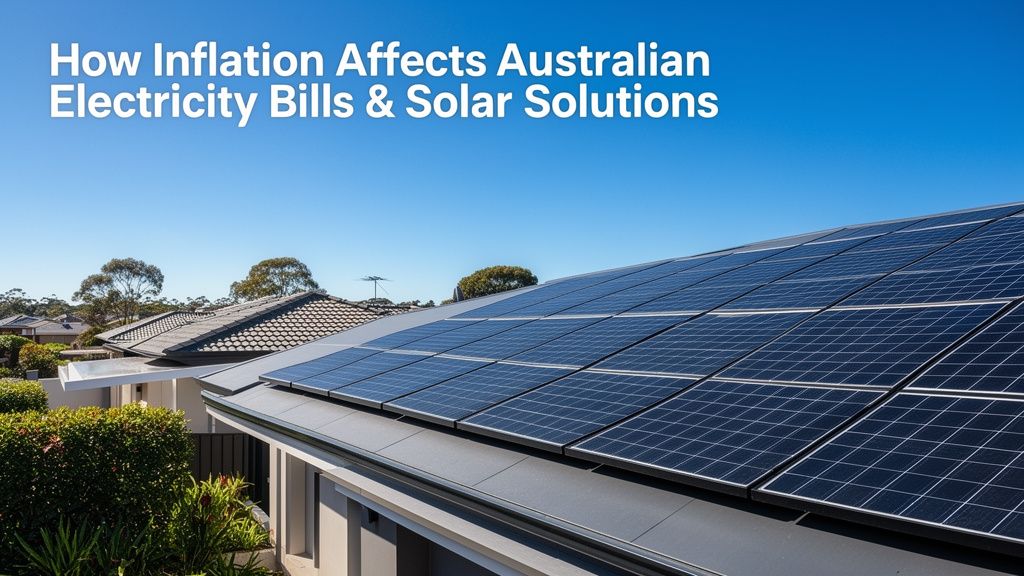
Solar power directly reduces your reliance on grid electricity, effectively locking in your energy costs for decades and shielding your household from the impact of inflation on retail electricity prices. By generating your own power during the day, you significantly reduce the amount of electricity you need to buy from the grid. This means when retailers increase their per-kilowatt-hour charges, the impact on your overall bill is much smaller because you are purchasing fewer kilowatt-hours. A typical 6.6kW solar system on an average Australian home can offset 60-80% of a family's annual electricity consumption, depending on location and usage patterns.
Generating Your Own Power
Installing a solar system means you convert sunlight into usable electricity for your home. Every kilowatt-hour (kWh) you generate and consume directly from your rooftop panels is a kWh you do not have to buy from an energy retailer. This "self-consumption" is where the biggest savings lie. As grid electricity prices rise due to inflation, the value of the electricity you generate yourself also increases. You effectively fix the cost of that energy at the system's upfront installation price (amortised over its 25-year lifespan), rather than being exposed to fluctuating retail rates. This provides a long-term hedge against future price increases.
Battery Storage for Grid Independence
Adding a battery to your solar system offers even greater independence from rising grid costs. While a solar system handles daytime usage, a battery stores surplus solar power generated during the day for use in the evenings and overnight. This significantly reduces the amount of electricity you need to draw from the grid during peak times, which often have higher rates. Some advanced battery systems also allow for "virtual power plant" participation, where you can sell stored energy back to the grid during high-demand periods, earning credits. This combination of solar and battery storage maximises your self-sufficiency and minimises your exposure to future inflationary price hikes from energy retailers.
Key Takeaways
- Inflation drives up wholesale electricity costs, network charges, and retailer operating expenses, leading to higher consumer electricity bills.
- Switching retailers can offer some short-term savings, but broad market price increases often limit these benefits. Always check post-discount rates.
- Solar power systems significantly reduce your reliance on grid electricity, effectively locking in a large portion of your energy costs for decades.
- Generating your own power acts as a direct hedge against future inflationary increases in retail electricity prices.
- Adding a battery further enhances independence, allowing you to use solar power at night and potentially capitalise on grid services.
Read More
For a comprehensive overview, check out our master guide: Read the Full Guide Here.