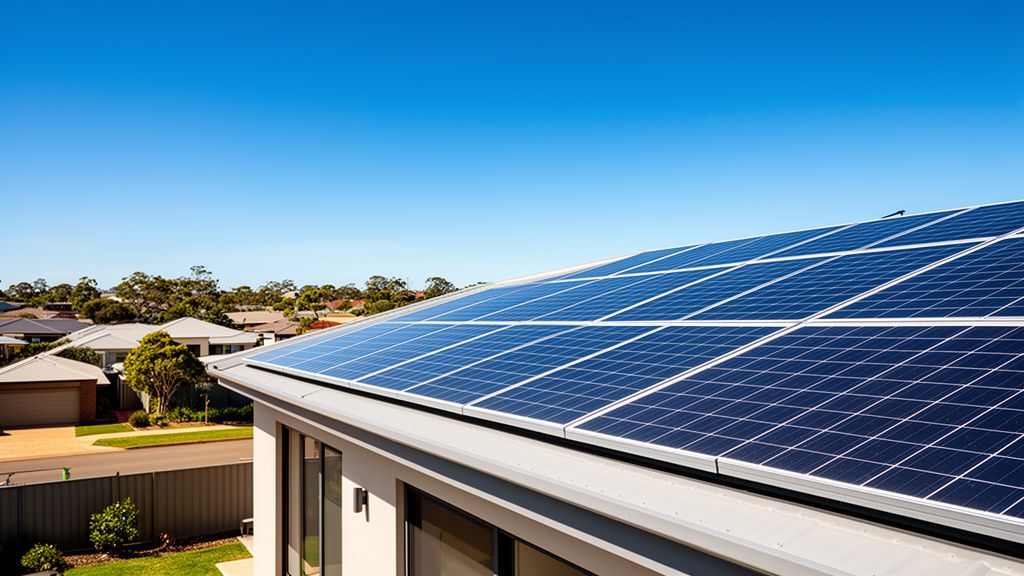
TL;DR: Australia is moving to produce polysilicon, the core material for most solar panels, as part of its "Future Made in Australia" strategy. This initiative aims to build a complete domestic solar manufacturing supply chain, reduce reliance on international imports, and generate new jobs and economic opportunities across the country, securing Australia's position in the global renewable energy market.
Why Does Polysilicon Production Matter for Australia?
Polysilicon is the foundational material for 95% of solar PV cells, and producing it domestically gives Australia control over a critical supply chain component, driving energy independence. Without a local polysilicon supply, Australia's ambitious renewable energy targets remain heavily dependent on imported components. The current global solar supply chain concentrates polysilicon production in a few specific regions, creating geopolitical and economic vulnerabilities. Australia possesses abundant quartz, the raw material for polysilicon, along with vast renewable energy potential necessary for the energy-intensive production process. Developing this capability onshore moves Australia beyond simply exporting raw materials and positions it to capture more value from the clean energy transition.
What Is Polysilicon and Where Does it Fit in Solar?
Polysilicon, short for polycrystalline silicon, begins as high-purity metallurgical-grade silicon derived from quartz sand. This metallurgical silicon then undergoes a complex purification process to reach solar-grade purity, typically 99.9999% or higher. Manufacturers melt polysilicon to grow large ingots, which they then slice into thin wafers. These wafers form the basis of solar cells, which get assembled into modules, commonly known as solar panels. Each step adds value and requires specialised industrial infrastructure and expertise. Currently, Australia mainly imports finished solar panels, meaning the economic benefits of polysilicon refining, wafer cutting, and cell manufacturing mostly accrue overseas.
Reducing Supply Chain Risks and Cost Volatility
Reliance on imported polysilicon exposes Australia to price fluctuations and supply disruptions, as seen during global logistical challenges in recent years. Establishing domestic polysilicon production shores up supply security. It also allows Australia to potentially influence global pricing and reduce the overall cost of solar deployment by insulating itself from international market volatility. A secure, local supply chain ensures Australian solar projects can proceed without delays or unexpected cost blowouts due to offshore events. This industrial resilience supports the country's rapid transition to renewable power and safeguards investments in large-scale solar farms and rooftop installations.
How Will Domestic Polysilicon Production Benefit Australia's Economy?
Local polysilicon manufacturing will create thousands of jobs, attract significant investment into advanced manufacturing, and establish a new export industry, diversifying Australia's economic base. The "Future Made in Australia" initiative identifies this as a strategic opportunity to build high-value industries around the energy transition, moving Australia up the value chain from resource extraction to sophisticated manufacturing. This approach ensures economic benefits flow through local communities rather than solely offshore. Investment in polysilicon factories, research and development, and related infrastructure represents billions of dollars in new economic activity.
Job Creation and Regional Development
Establishing polysilicon plants requires a diverse workforce, from engineers and chemists to skilled tradespeople and logistics personnel. A large-scale facility could directly employ hundreds, with thousands more jobs created indirectly through supporting industries like construction, maintenance, and logistics. These jobs are often high-skilled and well-paid, providing long-term economic stability to regional areas where such facilities might be located. For example, a large polysilicon plant could bring substantial economic revitalisation to a regional town, similar to how mining operations have historically supported communities, but with a focus on sustainable manufacturing for the future.
Export Potential and Value-Adding
Australia currently exports raw materials like quartz, which other nations then process into high-value polysilicon and solar components. By producing polysilicon locally, Australia can export finished or semi-finished materials, capturing a much larger share of the global solar market's economic value. This transforms Australia from a mere supplier of raw inputs into a sophisticated manufacturer and exporter of advanced components. It builds new trade relationships focused on clean energy technology and positions Australia as a reliable global partner in the renewable energy supply chain, competing with established players and leveraging its geographical advantages and clean energy resources.


What Challenges and Opportunities Exist for Australian Polysilicon Manufacturing?
Establishing polysilicon production in Australia presents challenges like high upfront capital costs and energy intensity, but also offers opportunities to leverage abundant renewable energy and a skilled workforce for competitive advantage. The scale of investment required for a world-class polysilicon plant runs into the billions of Australian dollars, demanding significant government backing and private sector partnerships. Technical expertise for operating such facilities is also a consideration, although Australia has strong engineering and materials science capabilities.
Powering Production with Green Energy
Polysilicon manufacturing is extremely energy-intensive, requiring large amounts of electricity and heat. This intensity becomes an opportunity for Australia, which possesses world-leading renewable energy resources – solar and wind. Powering polysilicon plants with 100% renewable electricity not only lowers operational costs in the long term but also creates "green polysilicon." This product commands a premium in international markets due to its lower carbon footprint, aligning with global efforts to decarbonise manufacturing. Building these factories near large-scale renewable energy zones across Australia reduces transmission costs and strengthens the business case for local production.
Capital Investment and Global Competitiveness
The initial capital outlay for a polysilicon factory can be substantial. For example, building a facility with a capacity of 50,000 tonnes per year could cost upwards of $2 billion. Securing this level of investment requires clear policy signals from government, financial incentives, and a long-term strategic vision. Competing with established, often heavily subsidised, international manufacturers also requires strategic planning. Australia must focus on innovation, efficiency, and a differentiated product – green polysilicon – to secure its niche and attract the necessary private investment to scale up production and become globally competitive.
Key Takeaways
- Australia's push for domestic polysilicon production addresses critical solar supply chain vulnerabilities and fosters national energy independence.
- Establishing polysilicon manufacturing will create thousands of high-skilled jobs and attract billions in investment across regional Australian communities.
- Leveraging Australia's abundant renewable energy to produce "green polysilicon" offers a competitive advantage in global markets.
- Government and private sector collaboration is essential to overcome significant upfront capital costs and technical challenges.
- This strategic industrial development transforms Australia into a value-added exporter in the global clean energy economy.
Read More
For a comprehensive overview, check out our master guide: Read the Full Guide Here.