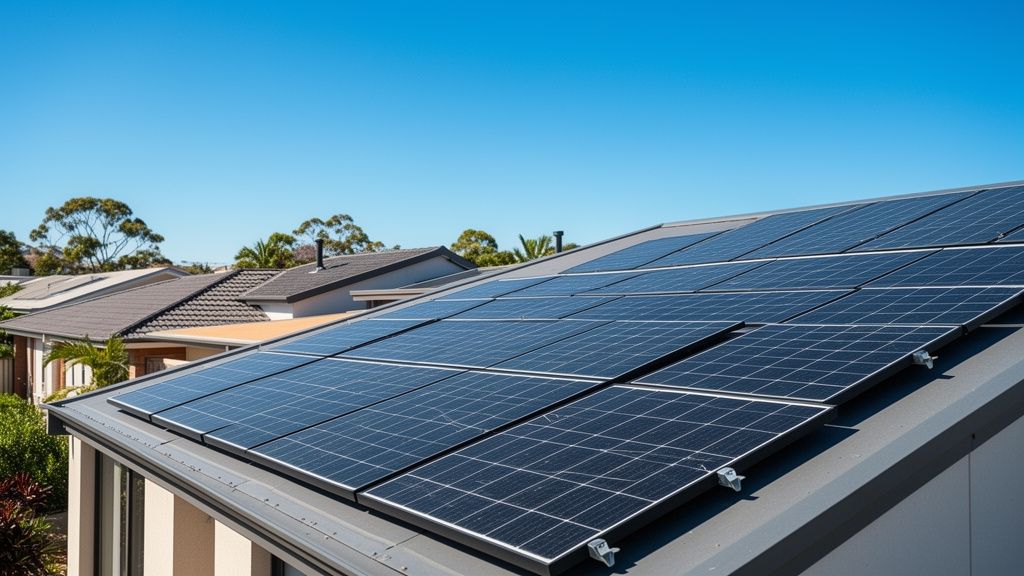
TL;DR: Damaged solar panels in Australia often end up in landfill due to high disposal costs and a lack of established recycling infrastructure. This practice not only incurs financial burdens through waste fees but also poses environmental risks by wasting valuable materials and potentially releasing hazardous substances. Developing effective, accessible recycling pathways is crucial for a sustainable Australian solar future.
What are the common causes of solar panel damage in Australia?
Solar panels can sustain significant damage from various factors, including severe weather events, manufacturing defects, and improper installation practices, necessitating their premature removal and disposal. Understanding these causes is critical for predicting waste streams and planning for future recycling needs. Australia's harsh climate, particularly its susceptibility to extreme weather, plays a substantial role in panel degradation and breakage, leading to a growing number of panels requiring end-of-life solutions well before their expected 20-25 year lifespan. These damaged panels, whether cracked, delaminated, or suffering performance issues, contribute to a challenging waste management problem.
Hail and Storm Damage
Australia's volatile weather, particularly hailstorms and severe wind events, is a primary culprit for physical damage to solar panels. Large hailstones can crack the tempered glass covering, compromising the panel's integrity and exposing internal components to moisture, which leads to rust and electrical faults. Strong winds can lift or dislodge panels, causing structural damage or complete breakage. A single severe storm can lead to thousands of damaged panels across a region, turning a renewable energy asset into a significant waste stream almost overnight, often before the panels have reached their full economic payback period.
Manufacturing Defects and Wear
Beyond external forces, manufacturing defects, component failure, or general wear and tear can also necessitate panel replacement. Issues such as delamination (when the protective layers separate), hot spots, micro-cracks that develop over time, or inverter compatibility problems can reduce efficiency or render a panel inoperable. While reputable manufacturers offer warranties, the logistics and costs of replacing a defective panel and disposing of the old one still fall to the homeowner or installer, contributing to the overall volume of panels needing a sustainable end-of-life solution.
What is the true financial cost of landfilling damaged solar panels?
Landfilling damaged solar panels incurs significant financial costs through disposal fees and the lost economic value of their constituent materials, making it a more expensive option in the long run than effective recycling. The immediate cost of waste disposal might seem lower than specialised recycling, but this perspective often overlooks the broader economic implications. As the volume of damaged and end-of-life panels grows exponentially in Australia, these costs are set to escalate, placing a greater burden on individuals, businesses, and local councils alike.
Disposal Fees and Logistics
Homeowners and installers face direct costs for disposing of damaged panels, which are often classified as electronic waste (e-waste). While standard general waste disposal might cost around $100-$200 per tonne, e-waste fees can be considerably higher, ranging from $300-$500 per tonne, depending on the state and facility. For a standard 6.6kW system, this could mean disposal costs upwards of $100-$200 for a handful of damaged panels, excluding transport. Arranging transport for large, fragile panels to suitable e-waste facilities also adds to the logistical burden and expense, making landfilling a costly, albeit often perceived as the "easiest," option for many.
The Hidden Cost of Lost Resources
Beyond direct disposal fees, the economic cost of landfilling also includes the lost opportunity to recover valuable materials. Solar panels contain precious metals like silver, copper, and aluminium, as well as high-purity silicon and glass. These materials have market value and their extraction from virgin sources is resource-intensive and environmentally impactful. When panels are landfilled, these resources are permanently lost. Investing in recycling infrastructure, while having an upfront cost, could transform waste into a valuable resource stream, potentially offsetting recycling costs and contributing to a circular economy for solar technology in Australia.
How do damaged solar panels impact the environment when sent to landfill?
Landfilling damaged solar panels contributes significantly to landfill burden and poses environmental risks through the potential leaching of hazardous materials into soil and groundwater. Unlike general household waste, solar panels are complex electronic devices containing various components that, if not properly managed, can have long-term ecological consequences. As Australia's solar capacity grows, so does the imperative to address the environmental footprint of these panels at their end-of-life.
Landfill Burden and Space
The sheer volume of damaged and end-of-life solar panels is projected to create a substantial landfill burden. A typical solar panel weighs around 18-25 kg, and with millions of panels installed across Australia, the waste generated over the next decade will be immense. Landfills are finite resources, and filling them with materials that could otherwise be recycled or reused is unsustainable. This influx of bulky e-waste competes for space, reduces landfill longevity, and necessitates the development of new landfill sites, which often face community opposition and carry their own environmental impacts.


Leaching of Toxic Materials
While modern solar panels are designed to be safe during operation, their disposal in landfills raises concerns about the potential leaching of certain hazardous materials. Panels contain small amounts of heavy metals like lead and cadmium (especially in older thin-film models), which, if the panels degrade sufficiently in a landfill, could leach into the soil and groundwater. This contamination can harm ecosystems, affect biodiversity, and potentially impact human health. Proper recycling processes prevent this risk by safely extracting and managing these materials, ensuring they do not enter the natural environment.
What efforts are underway to improve solar panel recycling in Australia?
Australia is seeing emerging initiatives and policy discussions aimed at establishing robust national frameworks for solar panel recycling, recognising the urgent need for sustainable end-of-life solutions. While a comprehensive, federally mandated scheme is still developing, significant progress is being made by industry, government bodies, and innovative businesses to address the growing challenge of solar panel waste. These efforts are crucial for Australia to maintain its strong commitment to renewable energy while mitigating its environmental footprint.
Current Recycling Landscape
Currently, solar panel recycling in Australia is largely driven by state-specific initiatives, industry-led programs, and private enterprises. The National Television and Computer Recycling Scheme (NTCRS) does not explicitly cover solar panels, meaning there's no national, producer-funded scheme. However, organisations like Solar Panels PV Recycling (SPPV) and PV Cycle Australia are establishing collection points and processing facilities, albeit often at a higher cost than landfilling. Some states, like Victoria, have taken steps to ban e-waste from landfills, indirectly pushing for better solar panel recycling solutions. These early efforts demonstrate a commitment, but scale and accessibility remain significant challenges, particularly in regional areas.
Future Outlook and Policy Directions
The future of solar panel recycling in Australia hinges on the development of a national, coordinated approach. The Australian government, in collaboration with industry, is exploring various models, including product stewardship schemes where manufacturers take responsibility for end-of-life management. Discussions are ongoing regarding funding mechanisms, such as a levy on new panels, to support recycling infrastructure and make it more economically viable. The goal is to move towards a circular economy for solar, where valuable materials are recovered and reused, reducing waste, conserving resources, and ensuring that Australia's renewable energy boom remains environmentally sound and sustainable for generations to come.
Key Takeaways
- Damaged solar panels in Australia often end up in landfill due to high recycling costs and limited infrastructure, creating a growing waste problem.
- Landfilling panels incurs direct disposal fees and represents a significant economic loss of valuable materials like silver, copper, and silicon.
- The environmental impact of landfilling includes occupying valuable space and the risk of hazardous materials leaching into soil and water.
- Australia is developing a patchwork of state and industry-led recycling initiatives, but a national, cohesive product stewardship scheme is urgently needed.
- Supporting accessible recycling options and advocating for policy changes can help transition Australia towards a sustainable, circular economy for solar energy.
Read More
For a comprehensive overview, check out our master guide: Read the Full Guide Here.