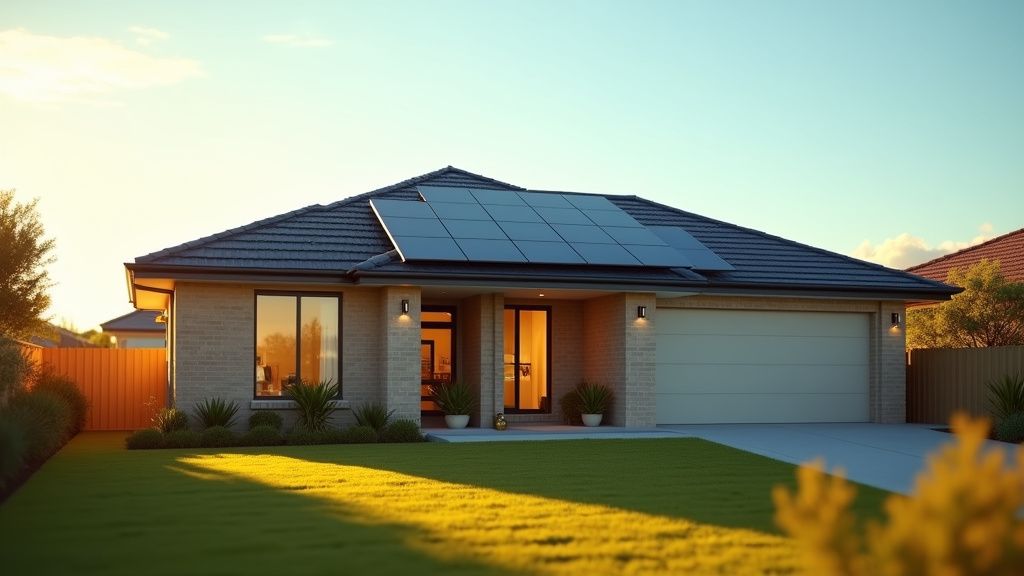
Considering a 6kW solar system for your home? It's a popular choice for Aussie households looking to slash electricity bills and embrace clean energy. But how much power can you really expect from a 6kW system? The answer isn't a simple one. Several factors influence its performance, and understanding them is key to maximising your investment.
Before we dive in, if you're looking for a more in-depth analysis of 6kW (often also called 6.6kW) solar systems in Australia, check out this Complete Guide.
What is a 6kW Solar System?
A 6kW (or 6.6kW, which is very similar) solar system is a photovoltaic (PV) setup designed to generate up to 6 kilowatts of power under ideal conditions. It's comprised of solar panels, an inverter, and the necessary mounting hardware. For many Australian homes, this size hits a sweet spot, significantly reducing electricity bills while offering a good return on investment.
You'll typically find that a "6.6kW" system is paired with a slightly smaller 5kW inverter. This is a common practice called "oversizing". Australian standards allow for this, letting you install more panel capacity than the inverter's rating (up to 133%). This clever trick helps to maximise energy production, especially during peak sunlight hours.
A typical 6kW system might consist of 15-20 panels, depending on their individual wattage. Higher wattage panels (e.g., 440W) mean you'll need fewer panels than lower wattage ones (e.g., 330W).
Key Factors Affecting Power Output
Let's break down the elements that impact how much electricity your 6kW system generates:
1. Location, Location, Location!
The amount of sunlight your location receives is the most critical factor. Areas with more sunshine hours will naturally yield higher energy production. Seasonal variations also play a significant role. You'll generate more power during the longer, sunnier summer months compared to winter.
2. Panel Orientation and Tilt
In Australia, the sun tracks across the northern sky. Therefore, north-facing panels typically receive the most sunlight throughout the day, maximizing overall energy production. However, optimal orientation can depend on your specific energy consumption patterns.
- North-facing: Best for overall energy generation.
- East-facing: Catches the morning sun, good for homes with high morning energy usage.
- West-facing: Catches the afternoon sun, suitable for homes with high afternoon energy consumption.
Solar installers can work with roofs that don't face true north, east, or west by adjusting the tilt and using specialized mounting equipment to optimize performance.

3. Shading
Even partial shading from trees, buildings, or other obstructions can significantly reduce your system's output. Shade on even one panel can impact the performance of the whole string. Solutions include:
- Panel-level optimization: Using devices like microinverters or DC optimizers on each panel to mitigate the effects of shading.
- Strategic panel placement: Avoiding shaded areas during system design.
- Regular maintenance: Trimming overhanging branches.
4. Panel Efficiency and Temperature
Solar panel efficiency determines how much sunlight they convert into electricity. Higher efficiency panels produce more energy from the same amount of sunlight. Temperature also plays a role. As panel temperatures rise, their efficiency typically decreases. Choosing quality panels with good temperature coefficients is vital in Australia's hot climate. This means they'll maintain more of their performance on scorching days.
5. Inverter Efficiency
The inverter is the unsung hero of your solar system, converting DC electricity from the panels into AC electricity that your home can use. Inverter efficiency is key; a high-quality inverter will minimise energy losses during this conversion.
6. System Age and Maintenance
Like any technology, solar panels degrade slightly over time. Regular maintenance, including cleaning panels to remove dust and debris, can help maintain optimal performance.
How Much Power Can You Expect?
A 6kW solar system in Australia can typically produce between 24 to 29 kilowatt-hours (kWh) of electricity per day on average. This is just an estimate, as your actual output will vary based on the factors discussed above. For example, a system in sunny Queensland will likely produce more power than a system in Tasmania.
Cost Considerations
The cost of a 6kW solar system in Australia generally ranges from $5,000 to $9,000, including installation and before any rebates. This price depends on factors like:
- Panel and inverter brands and quality
- Installation complexity
- Additional features (e.g., battery readiness)
Remember to get quotes from multiple installers to compare pricing and understand what's included. The Australian Government provides financial incentives for solar installations through the Small-Scale Renewable Energy Scheme, reducing the upfront cost.
By understanding the factors that affect the power output of your 6kW solar system, you can make informed decisions and ensure you're getting the most out of your investment. Happy solar saving!