TL;DR: Accelerating electric vehicle (EV) uptake in Australia requires addressing significant challenges like high upfront costs, limited charging infrastructure, and a lack of diverse models. A combination of government incentives, strategic investment in charging networks, and consumer education is essential to overcome these hurdles and transition more Aussies to electric driving.
What are the primary hurdles limiting EV adoption in Australia?
The main hurdles limiting EV adoption in Australia include high upfront costs, range anxiety due to limited charging infrastructure, and a lack of vehicle variety, particularly in popular segments like affordable SUVs and utes. While global EV sales are soaring, Australia has lagged, largely because these fundamental issues haven't been adequately addressed for the average Aussie consumer. Many potential buyers are deterred by the initial investment required for an EV, which can often be tens of thousands of dollars more than a comparable petrol-powered car, even with fuel savings considered. Furthermore, concerns about where and how to charge, especially on longer trips or in regional areas, create significant hesitation, making the transition feel impractical for many.
Initial Purchase Price Shock
The high entry price for new EVs remains a major barrier for most Australian households. While global prices are trending down, many new EV models in Australia still sit above the $60,000 to $70,000 mark, with some popular models like a Tesla Model 3 starting from around $61,900 or a BYD Atto 3 Extended Range from $48,011. This is a substantial investment compared to the average new internal combustion engine (ICE) vehicle, even before considering optional extras or on-road costs. Without significant subsidies or a thriving used EV market, many working families find the jump to an EV financially out of reach, regardless of the long-term running cost benefits.
The Charging Conundrum
Range anxiety, fuelled by an insufficient and unevenly distributed charging network, is another critical challenge. While major capital cities are seeing more public charging stations, regional Australia often remains a charging desert, making interstate travel or trips to the bush a logistical headache. Even in urban areas, charger availability can be hit-and-miss, with many public stations either occupied, out of order, or requiring multiple apps and memberships. The lack of universal payment systems and consistent charging speeds adds to the frustration, making the experience less seamless than filling up at a local servo. Reliable and widespread charging infrastructure is crucial to build consumer confidence.
How can governments and industry collaborate to boost EV infrastructure?
Governments and industry can collaborate to boost EV infrastructure through strategic investment in public charging networks, standardisation of charging technologies, and incentives for private sector deployment, ensuring a robust and accessible network for all Australians. A coordinated national strategy, rather than a piecemeal state-by-state approach, is vital to build an interconnected grid that supports both urban commuting and long-distance regional travel. This collaboration needs to address not just the quantity of chargers but also their reliability, speed, and ease of use, making the EV charging experience as straightforward as possible.
Expanding Public Charging Networks
A significant push is needed from both federal and state governments, working with energy providers and charging companies, to rapidly expand the number of public fast and ultra-fast charging stations. Investing in charging hubs along major highways, tourist routes, and in regional towns can alleviate range anxiety and open up EV ownership to more Australians. For instance, grants and co-funding initiatives could accelerate the deployment of 50kW+ DC fast chargers every 100-150 kilometres on key routes, making a drive from Sydney to Melbourne or Perth to Margaret River just as feasible in an EV as in a petrol car. Public land could also be leveraged for charging sites, simplifying planning and approvals.
Standardising the Charging Experience
The current fragmented charging landscape, with multiple providers, apps, and payment systems, creates unnecessary complexity for EV owners. Industry collaboration, possibly facilitated by government guidelines, should focus on standardising payment methods (e.g., tap-and-go credit card payments), harmonising charging connector types (CCS2 is becoming the standard, but ensuring compatibility and adapters for older models is key), and improving the reliability of chargers. A unified data platform showing real-time charger availability and status across all networks would also be a game-changer, reducing frustration and wasted time for drivers.
What financial incentives and policies can make EVs more affordable for Aussies?
Financial incentives and policies such as purchase subsidies, stamp duty exemptions, and fringe benefits tax (FBT) exemptions can significantly reduce the total cost of EV ownership for Australian consumers, making them a more viable option. These measures directly tackle the upfront price barrier, which is often the biggest deterrent, and help offset the initial investment. By lowering the entry point, these policies can stimulate demand, encourage greater competition among manufacturers, and ultimately lead to a more diverse range of affordable EV models entering the Australian market.
Direct Purchase Rebates and Tax Breaks
Direct rebates at the point of sale, similar to schemes seen in NSW ($3,000 for EVs under $68,750, now mostly phased out) or Victoria ($3,000 for EVs under $68,740, also ending), have proven effective in making EVs more attractive. Reintroducing and potentially expanding these, alongside stamp duty exemptions or reduced registration fees, directly impacts the buyer's hip pocket. For businesses, extending the FBT exemption for eligible EVs can drive fleet adoption, which then feeds a future used EV market, further improving affordability for private buyers down the track.


Supporting Used EV Market Growth
A robust used EV market is crucial for long-term affordability and accessibility. Policies that encourage the import of quality second-hand EVs from overseas markets, where supply is greater and prices lower, could significantly boost options. Furthermore, government-backed guarantees or certifications for used EV battery health could build consumer confidence, addressing common concerns about battery degradation and longevity. As more new EVs enter the market and eventually filter down to the used car segment, these measures will ensure there's a healthy, affordable supply for Australians not looking to buy brand new.
How does integrating solar power at home supercharge the benefits of owning an EV in Australia?
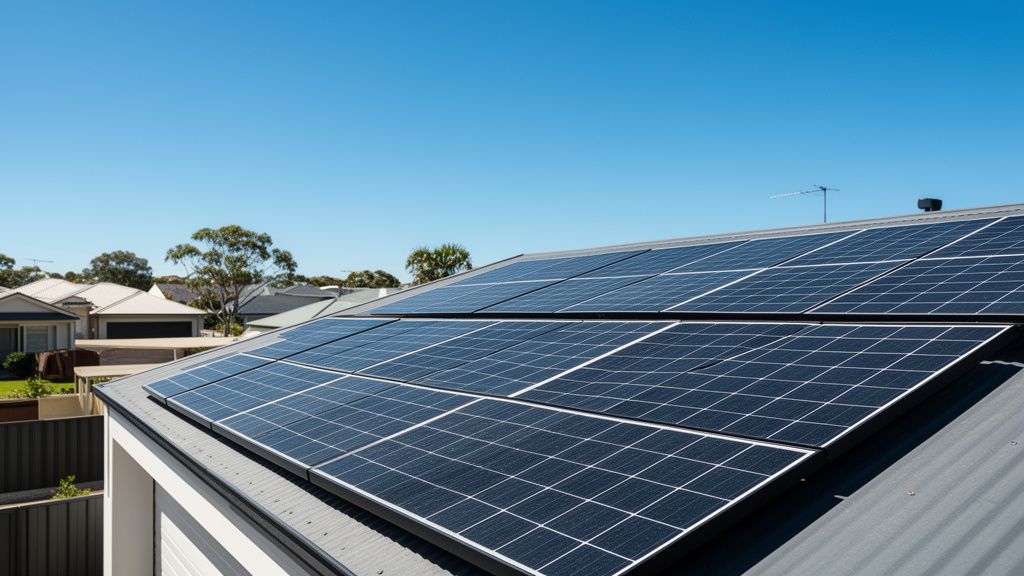
Integrating solar power at home supercharges the benefits of owning an EV in Australia by providing cheap, renewable energy for charging, significantly reducing running costs and carbon footprint, and enhancing household energy independence. Australia's abundant sunshine makes solar an incredibly viable option for most homes, allowing EV owners to effectively "fuel" their car for free using clean energy generated directly from their rooftop. This synergy transforms the EV from just a zero-emission vehicle into a key component of a sustainable and cost-effective home energy ecosystem.
Drastically Reducing Running Costs
Charging an EV at home using your own solar power can slash your vehicle's running costs dramatically. Instead of paying around $1.50 to $2.00 per litre for petrol, or even 25-40 cents per kWh for grid electricity, you're effectively using free energy from the sun. For a typical EV doing 15,000 km a year, this could translate to savings of hundreds, if not thousands, of dollars annually on fuel alone. Many solar owners are already enjoying cheap electricity, and pairing that with an EV charger means maximising the value of their solar investment, using surplus energy that might otherwise be exported for a low feed-in tariff.
Enhancing Energy Independence
An EV charged by home solar contributes significantly to a household's overall energy independence. By generating and consuming your own electricity for transport, you become less reliant on volatile global fuel prices and grid electricity costs. With smart charging systems, you can even program your EV to charge exclusively during peak solar production hours, optimising self-consumption. In the future, vehicle-to-home (V2H) or vehicle-to-grid (V2G) technology will allow EVs to act as mobile batteries, storing excess solar energy and feeding it back to the home or grid during peak demand, further enhancing resilience and offering potential financial benefits.
Key Takeaways
- Address the high upfront cost of EVs through direct rebates, FBT exemptions, and reduced state taxes to make them more accessible.
- Prioritise rapid expansion of reliable public fast-charging infrastructure, particularly in regional areas and along major routes.
- Standardise charging payments and improve real-time charger availability information across all networks to enhance user experience.
- Encourage the development of a robust used EV market through policies that support imports and provide battery health assurances.
- Promote the powerful synergy between home solar power and EVs to drastically reduce running costs and boost household energy independence.
Read More
For a comprehensive overview, check out our master guide: Read the Full Guide Here.


