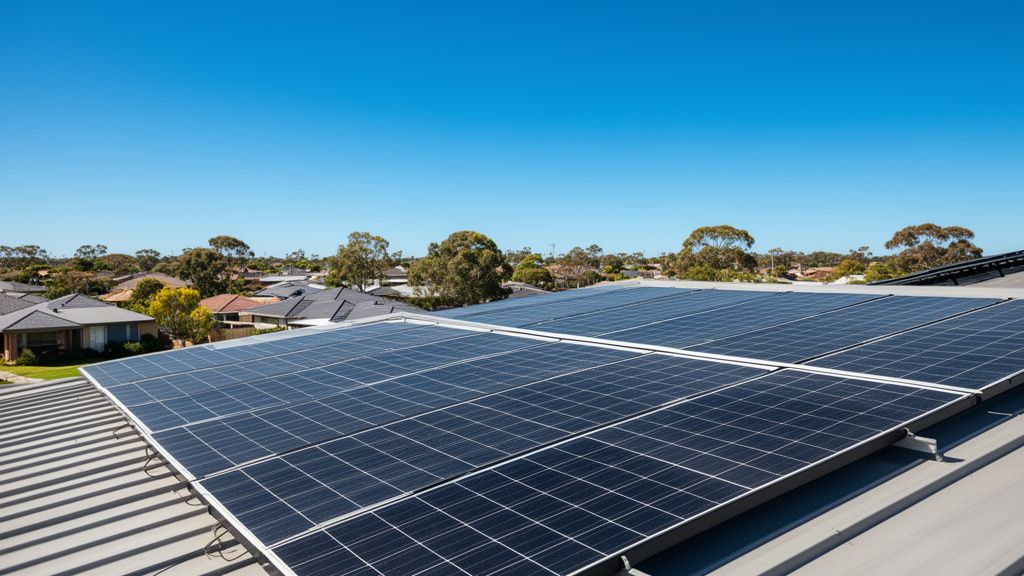
NSW Solar Projects Face Developer Backlash: 'Too Slow, Uncertain, Expensive'
TL;DR: Developers find building new solar farms in NSW increasingly difficult due to sluggish planning and grid connection processes, inconsistent government policies, and rapidly escalating project costs. This situation threatens the state's renewable energy targets and discourages vital investment in large-scale solar.
What specific hurdles are slowing down NSW solar farm approvals?
NSW solar farm approvals often get stuck in lengthy planning processes and complex grid connection queues. The journey from conception to construction for a large-scale solar project can easily stretch beyond five years, a timeline considered unfeasible by many developers. State and local government planning departments frequently request additional information, sometimes late in the process, which extends assessment periods. Environmental impact statements and community consultations, while important, add significant time and resources to each application. Many developers note that the sheer volume of applications hitting the system overwhelms current resources, leading to bottlenecking. This prolonged assessment phase means project costs increase annually due to inflation and holding costs, making initial financial models less viable over time.
Grid Connection Challenges Add Major Delays and Costs
Connecting a new solar farm to the National Electricity Market (NEM) presents another formidable obstacle. The Australian Energy Market Operator (AEMO) and network service providers manage grid connection applications, a process many developers describe as opaque and slow. Grid capacity in regional NSW, while improving, still requires substantial upgrades to accommodate new large-scale renewable generation. Developers often bear the cost of these network augmentations, sometimes running into tens of millions of dollars for a single project. The technical studies required, like system strength assessments, can take years to complete, with outcomes that might necessitate expensive equipment changes or even make a project unviable. The lack of clear, predictable pathways for grid access adds immense uncertainty to every project's financial outlook.
How does policy uncertainty hinder investment in NSW's renewable energy zones?
Inconsistent government policy and shifting rules create significant financial risk for developers considering NSW Renewable Energy Zones (REZs). The initial vision for REZs promised streamlined planning, coordinated grid infrastructure, and clear investment signals. However, developers report that the implementation has been less stable, with regulatory frameworks evolving and sometimes contradicting previous commitments. This lack of a steadfast, long-term policy vision makes it difficult for companies to commit the hundreds of millions of dollars required for major solar farm developments. Financial institutions, which fund these projects, demand stability and predictability before lending capital. When policy settings change, or the interpretation of existing rules shifts, it introduces unquantifiable risks that can derail funding agreements or increase the cost of capital.
Shifting Regulatory Landscape Reduces Confidence
The regulatory environment around REZs and large-scale renewable projects has seen several adjustments over recent years. While some changes aim to improve outcomes, the constant evolution creates a moving target for developers. For example, changes to planning approval pathways or the introduction of new compliance requirements can add unexpected expenses and delays to projects already well into their development cycle. Without a clear, enduring blueprint for how new energy infrastructure will be integrated and supported, developers hesitate to sink further funds into NSW projects. They express a desire for concrete, long-term signals from the NSW government to reduce perceived risks and encourage sustained investment rather than sporadic commitments. This stable environment is critical for attracting the scale of investment needed to meet ambitious renewable targets.
Why are the costs for developing NSW solar projects escalating significantly?


Rising grid connection fees, increased compliance burdens, and prolonged delays directly push up the price tag for NSW solar farm developments. The capital expenditure for a large-scale solar farm in NSW, which might have been $1.20 per Watt a few years ago, is now easily $1.50 per Watt or more, before accounting for grid connection upgrades. Developers frequently face demands for network infrastructure upgrades that cost tens or hundreds of millions, costs they often carry. Additionally, meeting increasingly complex environmental and social compliance standards adds layers of expert consultation and reporting, each with its own fee. Every month a project sits in limbo awaiting approval or grid studies adds to holding costs, staff wages, and financing charges, eating into profit margins.
The Financial Burden of Delays and Network Upgrades
Delays represent a significant, often hidden, cost. A project delayed by 12 months means a year of lost revenue generation, plus a year of ongoing development costs without any income. For a 100MW solar farm, this could easily amount to millions of dollars in financing costs, property leases, and salaries. The required network upgrades, particularly within the REZs, often exceed initial estimates. Developers report being asked to contribute to shared network infrastructure costs, which are substantial. For instance, connecting a new 200MW solar project in a regional REZ might require upgrades to a 132kV transmission line costing $50 million, and a developer could be on the hook for a significant portion. These unpredictable and escalating costs make it harder to secure competitive power purchase agreements (PPAs) and achieve acceptable returns on investment, leading some developers to reconsider NSW in favour of other states or markets.
What are the consequences of these issues for NSW's renewable energy future?
The current challenges risk NSW missing its renewable energy targets and deterring crucial capital investment in the state. NSW aims to cut emissions by 50% by 2030 and reach net zero by 2050, goals that heavily rely on a rapid build-out of renewable energy. If developers find the state too slow, uncertain, and expensive, they will naturally direct their investment capital elsewhere, such as Queensland or Victoria, which may offer clearer pathways and lower risks. This slowdown in project delivery directly translates to less renewable power in the grid, prolonging reliance on fossil fuel generators and potentially pushing up wholesale electricity prices. Ultimately, this affects every NSW household and business through higher energy bills.
Impact on State Targets and Energy Security
NSW’s renewable energy targets require a massive injection of new generation capacity in a relatively short timeframe. When major projects are delayed for years or shelved entirely, the state's ability to meet these targets is severely compromised. Fewer new solar farms mean slower decarbonisation of the grid, hindering climate action. Furthermore, a failure to attract consistent investment in diverse renewable projects creates energy security risks. Relying on an aging fleet of thermal generators becomes more precarious as they approach retirement. A robust and diverse renewable energy portfolio, built with developer confidence, is essential for a stable, affordable, and sustainable energy future for NSW. The state must address these developer concerns to unlock the significant investment needed.
Key Takeaways
- NSW solar project developers face long delays and increased costs from slow planning approvals and complex grid connection processes.
- Inconsistent policy settings within NSW's Renewable Energy Zones reduce investor confidence and make securing project finance more difficult.
- Escalating grid connection fees and compliance burdens significantly increase project expenditure, making NSW less attractive for new solar farm development.
- These issues risk NSW falling short of its renewable energy targets and could lead to higher electricity prices for consumers.
- The NSW government needs to provide clearer, more stable policy and streamline approval processes to re-attract essential investment in large-scale solar.
Read More
For a comprehensive overview, check out our master guide: Read the Full Guide Here.