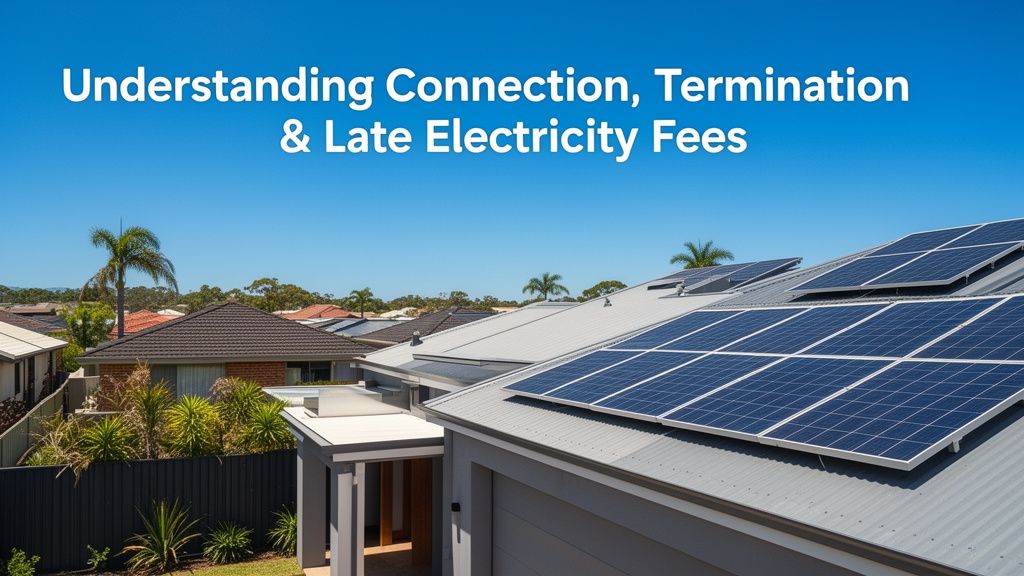
Decoding Electricity Fees: What Connection, Termination, and Late Charges Mean for Your Bill
TL;DR: Your electricity bill includes more than just energy usage. Connection charges cover setting up your supply, usually $50-$150. Termination fees apply when you close an account, typically $20-$70. Late payment penalties, often $10-$15, apply if you miss your bill's due date. Understanding these helps you manage your household budget effectively.
What Are Electricity Connection Charges and Why Do You Pay Them?
Electricity connection charges cover the administrative and physical work of setting up or reactivating your electricity supply at a property. When you move into a new house, especially one where the power has been switched off, your electricity retailer and the local network distributor need to perform a series of tasks. This includes processing your account application, verifying meter details, and in some cases, remotely or manually switching on the supply. These fees ensure the infrastructure and administrative systems operate smoothly to get your power flowing. From a solar perspective, understanding these fees helps you budget for system installation, as you might need a new connection or an upgrade, though these specific charges relate to general retail account setup, not solar installation itself.
When Do Connection Charges Apply?
You typically encounter connection charges in several situations. The most common scenario is when you move into a new rental property or a home where the previous occupants have already disconnected their power. If the property's electricity has been off for an extended period, or if it's a brand-new build requiring a first-time connection, these fees come into play. Some retailers might waive the fee for existing customers moving houses within the same network area, but this is not guaranteed. Always check with your chosen electricity retailer before moving to understand their specific policies and any associated costs for establishing your new account.
How Much Do Connection Charges Cost?
The cost of electricity connection charges varies across states and between different retailers. Generally, you can expect to pay anywhere from $50 to $150 for a standard residential connection. For instance, in New South Wales, Ausgrid charges retailers a fee for basic connections, which is then passed onto the customer. Some retailers have a flat administrative fee, while others might pass through the actual network charge directly. It's important to differentiate between a standard connection fee and potential charges for a 'special' or 'urgent' connection, which can be significantly higher, sometimes $200 or more, if you need power switched on outside of standard business hours or with very short notice.
What Are Electricity Termination Charges and When Do They Occur?
Electricity termination charges cover the administrative and operational costs involved in disconnecting your electricity supply when you close an account. This occurs when you move out of a property, switch to a new electricity retailer, or if your property is undergoing demolition. The fee compensates your retailer for processing the account closure, performing a final meter reading (which can be remote or manual), and sending out your final bill. It ensures that the transition of supply is managed correctly and that your previous account is finalised without outstanding issues, allowing for a smooth handover to the next occupant or retailer.
Why Do Retailers Charge for Termination?
Retailers charge for termination to cover the overheads associated with ending a supply agreement. This includes administrative tasks like updating customer records, notifying the network distributor of the disconnection, and reconciling any final payments or credits. If a manual meter reading is required, the fee also contributes to the cost of dispatching a technician. While these charges might seem small individually, they add up across millions of customer changes each year. The Australian Energy Regulator (AER) oversees these charges to ensure they reflect reasonable costs, preventing retailers from charging excessive fees.


Can You Avoid Termination Charges?
Avoiding termination charges is sometimes possible, but it depends on your retailer and the specific circumstances. If you're simply switching retailers but staying at the same address, many new retailers handle the transfer seamlessly without you incurring a termination fee from your old provider. However, if you are genuinely moving out of a property and closing your account, a termination charge is usually applied. Giving your retailer ample notice (typically 3-5 business days) before your move-out date helps them plan and ensures you avoid any 'urgent disconnection' fees, which can be higher. Always check your retail contract or call your provider when planning a move to understand their specific policies.
How Do Late Payment Charges Affect Your Electricity Bill?
Late payment charges are penalties applied by electricity retailers when you don't pay your bill by the specified due date. These fees are designed to cover the administrative costs retailers incur when chasing overdue payments and to encourage timely settlement of bills. Missing a payment can lead to an additional charge appearing on your next bill, adding an unexpected cost to your household expenses. From a solar perspective, while your solar system reduces your overall usage, you still receive a bill, and these charges apply if you miss payment, regardless of your solar credits.
What Is the Typical Cost of a Late Payment Fee?
The typical cost of a late payment fee varies by retailer and state, but it often falls into a flat fee range. Many retailers charge between $10 and $15 for a late payment. For example, Origin Energy or AGL might apply a flat fee of around $12-$15 in most jurisdictions. Some older contracts or specific business accounts might have a percentage-based charge on the outstanding amount, though this is less common for residential customers today. The AER provides guidelines on these fees, generally expecting them to reflect the actual costs of managing late payments, rather than acting as a punitive measure. Always check the terms and conditions of your electricity contract to understand the exact late payment penalty.
How Can You Avoid Late Payment Penalties?
Avoiding late payment penalties is straightforward with a few proactive steps. Setting up a direct debit from your bank account ensures your bill is paid automatically on the due date. Alternatively, consider signing up for email or SMS reminders from your retailer, which prompt you a few days before the due date. If you find yourself in financial hardship, contact your electricity retailer immediately. They can often arrange a payment plan or extend your due date without applying a late fee. Many retailers also offer bill smoothing options, where your estimated annual bill is divided into equal fortnightly or monthly payments, making budgeting easier and reducing the chance of missing a larger quarterly payment.
Key Takeaways
- Connection charges typically range from $50-$150 and apply when setting up new or reactivating existing electricity supply.
- Termination charges cost around $20-$70 and occur when you close an account or move out of a property.
- Late payment fees, usually $10-$15, are added to your bill if you miss the payment due date.
- Always check your retail contract for specific fee amounts and give ample notice when moving to avoid extra costs.
- Utilise direct debits, payment plans, or retailer reminders to prevent late payment penalties.
Read More
For a comprehensive overview, check out our master guide: Read the Full Guide Here.