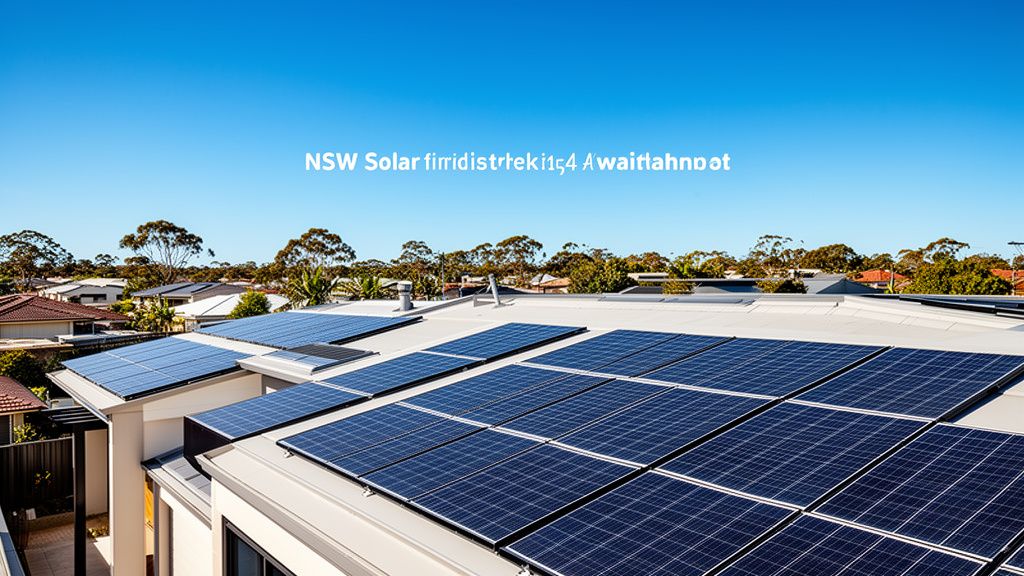
TL;DR: New South Wales currently has 154 State Significant Projects awaiting approval, including numerous large-scale solar farms and battery storage facilities. This approval backlog delays essential renewable energy infrastructure, impacting investment, job creation, and the state's clean energy transition targets.
What are State Significant Projects in NSW and why do they matter for solar?
State Significant Projects (SSPs) are major developments in New South Wales that require special planning consent due to their economic, environmental, or social importance. The NSW government identifies these projects because they exceed certain thresholds, often involving capital expenditure over $30 million, or because they fit a specific category like power generation or critical infrastructure. For the solar industry, this category includes large-scale solar farms, significant battery energy storage systems, and the associated transmission infrastructure needed to connect these projects to the grid. These are not rooftop solar installations; they are utility-scale developments designed to feed electricity into the main grid and power thousands of homes and businesses. The existence of 154 such projects stuck in the approval pipeline signals a considerable bottleneck for NSW's energy future, directly impacting how quickly the state can bring new renewable generation online. Each one represents a chunk of potential clean energy capacity sitting idle, waiting for the green light.
Defining State Significant Projects in the Energy Sector
The NSW planning system designates a project as "State Significant" if it meets specific criteria under the Environmental Planning and Assessment Act 1979. For energy projects, this typically applies to facilities generating over 30 megawatts of electricity, or those with a capital investment value exceeding $30 million. This covers most large-scale solar farms, wind farms, and utility-scale battery storage solutions. These projects are usually located in regional areas and require comprehensive environmental impact statements and community consultation before they can proceed. They are critical for replacing aging coal-fired power stations and meeting the state's emissions reduction targets. The current backlog shows a substantial amount of renewable energy potential caught in a lengthy administrative process.
How does the approval backlog affect NSW's solar capacity and investment?
The backlog of 154 unapproved State Significant Projects significantly slows down the deployment of new solar capacity in NSW. Developers invest millions in feasibility studies, land options, and planning applications, but these costs accumulate while projects sit unapproved. Extended delays erode investor confidence, making NSW a less attractive prospect compared to other states or countries with more streamlined regulatory pathways. A large solar farm might take 2-3 years to construct once approved, but if it takes another 3-5 years just to get through the planning process, the entire timeline blows out. This adds significant risk and cost to projects, which ultimately impacts the price of electricity. The delays directly impede the state's ability to replace its rapidly retiring coal fleet, creating uncertainty about future energy supply and potentially driving up wholesale electricity prices.
The Financial Strain on Solar Developers
Every month a project remains in limbo adds holding costs for developers. This includes ongoing land lease payments, consulting fees, and financing charges. For a multi-hundred-million-dollar solar farm, these costs can run into hundreds of thousands of dollars per month. These unbudgeted expenses can make marginal projects unviable or force developers to seek higher returns, which translates to higher power purchase agreement prices for energy buyers. When an investment cycle stretches out indefinitely, capital starts looking for easier opportunities elsewhere. This means NSW misses out on vital foreign and domestic investment in its renewable energy sector, affecting its long-term energy security and economic growth.
What are the economic implications of these delays for local communities and the broader energy market?
The prolonged approval process for these 154 projects has real economic consequences for local communities and the entire NSW energy market. Each large-scale solar or battery project promises significant local job creation during its construction phase – often hundreds of jobs for electricians, engineers, earthmovers, and various trades. These jobs bring direct economic stimulus to regional towns through accommodation, hospitality, and local services. When projects are delayed, these job opportunities vanish, and local businesses miss out on crucial revenue. Furthermore, these projects usually come with community benefit schemes, providing funding for local infrastructure or initiatives. Delays mean these promised benefits are postponed or cancelled. For the broader energy market, the slow pace of new generation coming online creates supply risks. If existing power stations retire faster than new ones connect, it can lead to tighter supply, potentially increasing electricity prices for homes and businesses across NSW.


Impact on Energy Prices and Grid Stability
A slow influx of new, cheaper renewable energy keeps NSW reliant on more expensive, older generation sources for longer. This directly influences the wholesale price of electricity, which eventually filters down to consumer bills. Additionally, the delayed deployment of battery storage systems affects grid stability. Batteries provide critical services like frequency control and backup power, helping to manage fluctuations from renewables. Without these projects progressing, the grid's ability to integrate more renewables safely and efficiently is compromised, creating a less reliable and more expensive energy system for everyone. The state needs these projects online to maintain a stable, affordable electricity supply as its energy landscape transforms.
Key Takeaways
- 154 State Significant Projects, including many large-scale solar and battery developments, are currently awaiting approval in NSW.
- This approval backlog directly impedes the deployment of new clean energy capacity and slows down NSW's transition to renewables.
- Delays increase costs for developers, reduce investor confidence, and can divert capital to other states or markets.
- Local communities lose out on immediate job creation, economic stimulus, and community funding from delayed projects.
- The broader energy market faces potential risks of higher electricity prices and reduced grid stability due to slower new generation coming online.
Read More
For a comprehensive overview, check out our master guide: Read the Full Guide Here.