TL;DR: Your solar system might be underperforming due to shading from nearby objects, accumulated dirt or bird droppings on panels, or faults with components like the inverter. Incorrect system settings or general panel degradation can also reduce energy output.
Is Shading Impacting Your Panel's Output?
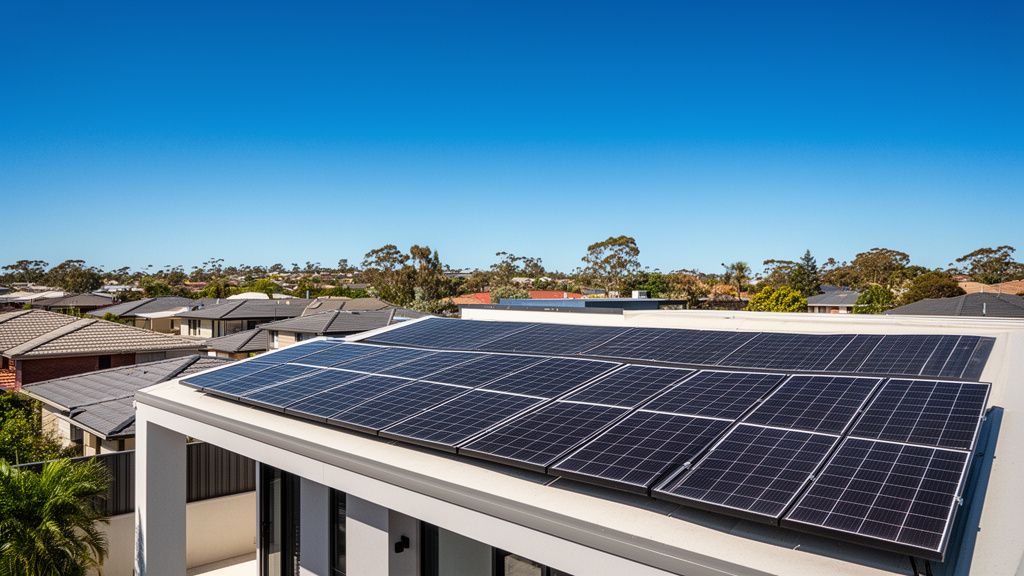
Yes, even partial shading drastically reduces a solar panel's output, often more than you might expect. A small shadow from a chimney, antenna, or a growing tree branch across just one corner of a panel can cut its power significantly. This isn't just about the shaded section; it affects the entire panel, and potentially other panels connected in series. Sunlight is money when it comes to solar, and any obstruction means lost kilowatt-hours on your electricity bill. Regular inspections, especially during different seasons when sun angles change, will help identify new shading issues.
The "Christmas Light Effect" and Microinverters
Traditional string inverters connect panels in a series, much like old Christmas lights. If one panel in the string is shaded or faulty, it drags down the performance of every other panel in that same string. This "Christmas light effect" makes shading particularly problematic for these setups. Modern systems often use optimisers or microinverters. These devices attach to individual panels, allowing each panel to operate independently. If one panel gets shaded, the others continue performing at their best, mitigating the impact significantly. This technology explains why a system with microinverters might handle partial shade better than one with a single string inverter.
Identifying and Mitigating Shading
You can often identify shading issues yourself. Take a walk around your property at different times of the day, particularly in the morning and late afternoon, when shadows are longest. Look for anything casting a shadow on your panels: trees, neighbouring buildings, vents, or even bird deterrent spikes. Solutions range from trimming trees (always check with your local council first) to relocating antennas. For persistent issues, installing optimisers or microinverters on affected panels can be a cost-effective upgrade compared to full system replacement. Solar installers use specialised software during design to model shading, but the real world can change after installation.
Are Your Solar Panels Dirty or Damaged?
Accumulated dirt, dust, bird droppings, or physical damage directly block sunlight, preventing your panels from generating their full capacity. Australia's climate, with its dusty inland regions and coastal salt spray, means panels accumulate grime over time. Pollen in spring and smoke from bushfires also contribute. A layer of dirt acts like a filter, reducing the amount of solar radiation reaching the photovoltaic cells. You might lose 5-10% of your energy output, or even more in particularly dusty areas, without realising it.
The Impact of Grime
While rain helps to wash panels, it rarely cleans them thoroughly, especially stubborn bird droppings or baked-on dust. Think about your car windscreen after a rain shower – it's often streakier, not spotless. Solar panels are similar. This build-up of grime leads to lower daily output readings on your inverter or monitoring app. We recommend a professional clean every 12-24 months, depending on your local environment. A typical panel clean costs between $150 and $300 for a standard residential system.
Inspecting for Physical Damage
Physical damage also causes underperformance. Hailstorms, dropped tools during roof maintenance, or even thermal stress over years can cause micro-cracks in the glass or damage the cells underneath. These cracks might not be immediately obvious but can lead to "hot spots" where cells overheat and degrade faster. You should visually inspect your panels from the ground regularly. Look for visible cracks, discolouration (like brown spots), or delamination (where the protective layers separate). If you suspect damage, contact a certified solar technician. Attempting to repair panels yourself is dangerous and can void warranties.
Could Your Inverter or Other Components Be Failing?
The inverter is the brain of your solar system, and any fault with it or associated wiring can significantly reduce or completely halt power generation. Most inverters come with a warranty, typically 5-10 years, but like any electronic device, they can fail. When an inverter malfunctions, it might stop converting DC electricity from the panels into usable AC power for your home, or it might convert it inefficiently. This directly translates to zero or low energy production on your monitoring system.
Inverter Faults and Error Codes
Modern inverters usually display error codes on their screen or through a monitoring app when a problem occurs. Common codes relate to grid voltage issues, insulation faults, or internal hardware failures. For example, a "Grid Fault" often means the inverter has disconnected from the grid, potentially due to over-voltage protection. Check your owner's manual for specific error code meanings. If you see a persistent error code, take a photo and contact your original installer or a qualified solar electrician. An inverter replacement for a 5kW system could cost anywhere from $1,500 to $3,500, depending on the model and labour.

Wiring and Connection Problems
Beyond the inverter, poor quality wiring or loose connections can cause system underperformance and even safety hazards. DC wiring from your panels to the inverter, and AC wiring from the inverter to your switchboard, must be robust and properly installed. Rodent damage to cables is a common culprit in some areas, gnawing through insulation. Signs of wiring issues include intermittent power generation, flickering lights when solar is supposedly operating, or an inverter reporting low input voltage from the panels. A qualified electrician can test voltage and current at various points in the system to identify weak links.
Are Your System Settings or Grid Connections Correct?
Sometimes, underperformance isn't a fault but a misconfiguration in your inverter settings or issues related to the grid connection itself. Your inverter has settings for grid interaction, export limits, and battery charging, which, if not optimised, can affect how much energy you use or export. It's not uncommon for settings to be incorrectly configured during installation or for grid parameters to change, causing issues.
Incorrect Inverter Settings
Your inverter's settings dictate how it operates within your home and with the electricity grid. For example, if an export limit is set too low (e.g., 5kW instead of your system's actual capacity of 6.6kW), your system might throttle its output even when it could generate more. Similarly, battery charging parameters can sometimes override household consumption, leading to less direct self-consumption and higher import from the grid. Always ensure your installer sets up your inverter correctly according to your household's needs and the local network operator's requirements. You can usually review current settings via the inverter's display or monitoring app.
Grid Voltage and Curtailment
Australian grid regulations require inverters to shut down or "curtail" their output if the grid voltage goes too high to protect both your equipment and the grid itself. In areas with many solar installations, or at the end of a long power line, grid voltage can spike, especially on sunny days. Your inverter will detect this and reduce its output, leading to lower generation readings. This isn't a fault with your system; it's the inverter doing its job. While often temporary, persistent grid voltage issues might require a network operator investigation or potentially an inverter upgrade with advanced grid management features, though this is less common for residential setups.
Key Takeaways
- Regularly check your monitoring app for sudden drops in solar production.
- Inspect your panels for shading from trees or new structures, especially in different seasons.
- Consider professional panel cleaning every 12-24 months to remove accumulated dirt and grime.
- Monitor your inverter for error codes and contact a qualified technician if issues persist.
- Ensure your system settings are optimised for your energy use and local grid rules.
Read More
For a comprehensive overview, check out our master guide: Read the Full Guide Here.