TL;DR: The Clean Energy Regulator (CER) has outlined clear compliance priorities for 2026-27, focusing heavily on the integrity of Small-scale Technology Certificate (STC) claims and strict adherence to technical standards for all SRES-eligible solar systems. Installers face removal for false statements, and households benefit from engaging authorised professionals to ensure system safety and STC eligibility.
What Are the CER's Solar Priorities for 2026-27?
The CER's 2026-27 priorities for solar centre on the integrity of Small-scale Technology Certificate (STC) claims and consistent adherence to technical standards for all SRES-eligible systems. The crackdown on false STC statements sits in the regulator's focused priorities for the year ahead, while system-standards compliance is an enduring priority that demands ongoing attention. They ensure the Renewable Energy Target (RET) scheme functions as intended, providing accurate financial incentives for renewable energy generation across Australia. For solar installers, this means an ongoing commitment to quality and transparency. For households, it underpins confidence that their solar investment meets Australian standards and attracts eligible subsidies. The CER expects all participants to understand their obligations and meet them.
Ensuring Accurate STC Claims
Installers and retailers must provide true and correct written statements when claiming Small-scale Technology Certificates (STCs). The CER views these statements as foundational to the integrity of the RET scheme. If an installer provides false written statements, the regulator has powers to remove them from the scheme. This consequence highlights the serious nature of accurate documentation. Solar agents, who submit STC claims on behalf of installers and households, must also ensure they obtain and verify all required compliance documentation before submission. This verification process acts as a crucial check to prevent fraudulent claims and maintain the scheme's credibility.
Upholding Technical Standards for SRES Systems
All systems eligible under the Small-scale Renewable Energy Scheme (SRES) must comply with all local, state, territory, and federal requirements. The CER expects high rates of installer compliance with these technical standards. This covers everything from electrical safety and component quality to installation practices. Adhering to these standards protects consumers, maintains the reputation of the solar industry, and ensures that the installed systems genuinely contribute to Australia's renewable energy goals. Non-compliant systems risk not only safety issues but also potential invalidation of STC claims, impacting the financial benefits for both installers and homeowners.
How Do These Priorities Affect Australian Solar Installers Directly?
Australian solar installers face clear expectations from the Clean Energy Regulator regarding the accuracy of documentation and the quality of their work. The 2026-27 priorities reinforce the CER's commitment to active enforcement where non-compliance occurs. This impacts business practices, staff training, and record-keeping for every solar company operating in the country. The regulator's response to non-compliance remains proportionate, considering how such actions affect the overall objectives of the clean energy schemes. Installers who prioritise compliance build trust with customers and avoid significant regulatory penalties.
Consequences of Non-Compliance
The CER explicitly states it will use its powers to remove installers found providing false written statements for STC claims. This is a significant consequence, effectively barring a business or individual from participating in the SRES scheme, which forms a major part of Australia's solar market. Beyond removal, non-compliance can lead to financial penalties and reputational damage. For solar businesses, maintaining a robust internal compliance framework, thorough documentation, and regular training for staff on regulatory requirements is essential to mitigate these risks. This protects their licence to operate and their future in the industry.
Verification and Documentation for Agents
Solar agents play a critical role in the STC creation process. The CER's priorities specify that agents must ensure they have obtained and verified all required compliance documentation before submitting STC claims. This places a direct responsibility on agents to scrutinise the paperwork provided by installers and homeowners. For installers, this means supplying comprehensive and accurate information from the outset, knowing that agents will perform due diligence. Any discrepancies or missing information will cause delays or outright rejection of STC claims, impacting project timelines and cash flow for all parties involved.
What Do Households Need to Know About Solar Compliance?
Australian households considering solar need to understand that compliance ensures system safety, performance, and eligibility for financial incentives like STCs. While the direct compliance burden falls on installers and agents, homeowners still have a role in choosing reputable providers and understanding the basic requirements. A compliant system offers peace of mind, knowing the installation adheres to strict Australian standards and provides the promised energy savings without future complications. Households protect their investment by making informed decisions about who installs their solar.
Why STC Eligibility Matters to Your Pocket
Small-scale Technology Certificates (STCs) offer a significant upfront discount on the cost of installing a new solar power system. For a typical 6.6kW system, these certificates can represent several thousand dollars off the total price, turning a $7,000-$10,000 installation into a more affordable purchase. If your system or the installation process does not comply with CER requirements, those STCs become invalid. This means you could miss out on the intended financial incentive, significantly increasing your out-of-pocket expense. Ensuring your installer adheres to all regulations directly safeguards this substantial saving.

Choosing a Compliant Solar Installer
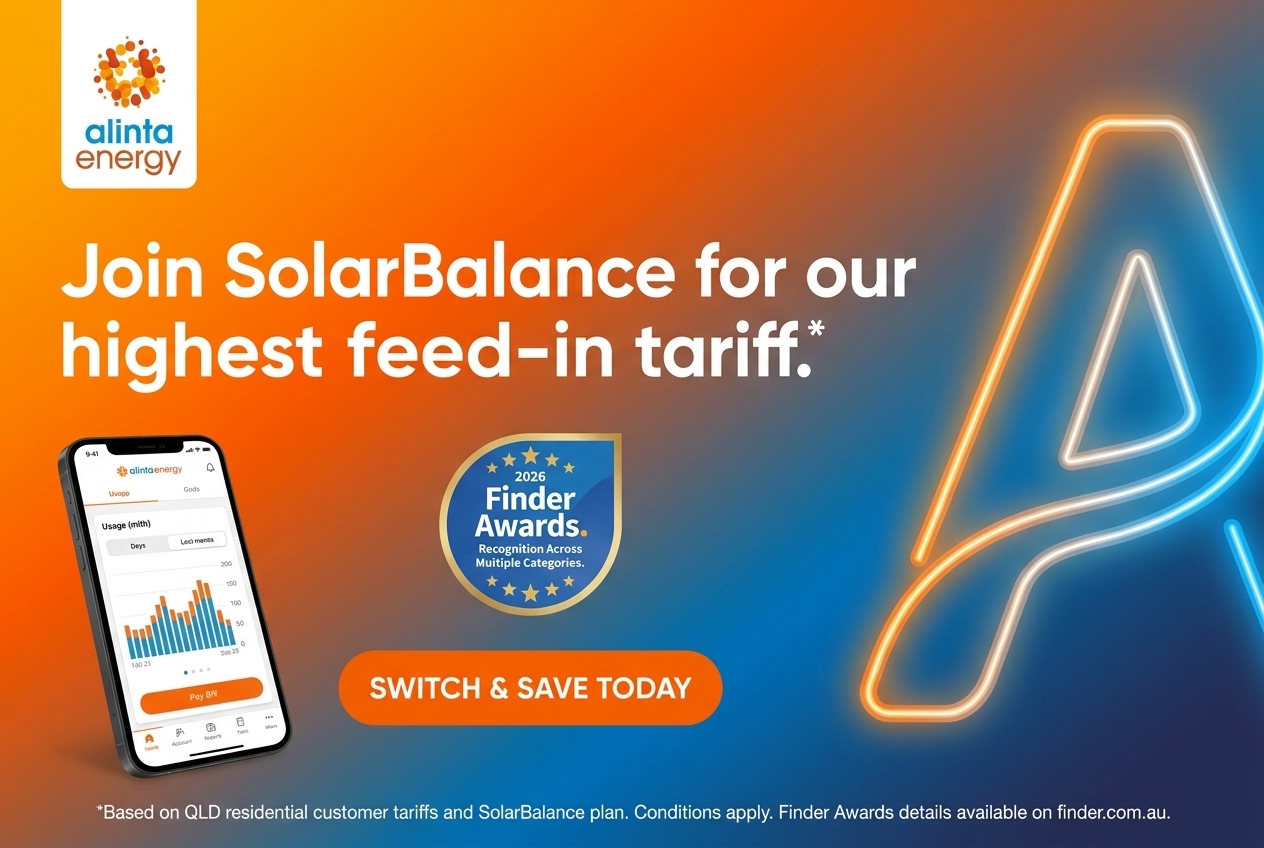
Homeowners should always choose a Solar Accreditation Australia (SAA) accredited solar installer — SAA took over installer accreditation from the Clean Energy Council in 2024. SAA accreditation signifies that the installer meets industry best practices and undergoes regular training. When getting quotes, ask about their processes for ensuring STC eligibility and compliance with all Australian standards. A reputable installer provides clear documentation, uses approved equipment, and registers your system correctly. If an offer seems too good to be true, or an installer pressures you to sign quickly without providing detailed information, exercise caution. Your choice of installer directly affects your system's long-term performance and compliance status.
What Other Regulatory Shifts Are Happening in 2026-27?
Beyond the immediate concerns for small-scale solar, the Clean Energy Regulator also has a broader set of priorities for 2026-27 that impact the wider clean energy sector. These priorities cover various schemes, from large-scale emissions reporting to carbon credit projects, and collectively shape Australia's transition to a cleaner energy future. While not directly affecting a household's rooftop solar, these broader regulatory efforts contribute to the overall landscape in which the solar industry operates. Staying informed about these changes provides a more complete picture of the regulatory environment.
Audits and Registry Compliance
Registered greenhouse and energy auditors must meet their legislated obligations to retain their status. The CER expects audits across all its schemes to be fit for purpose, high quality, and evidence-based. These audits provide necessary assurance for decision-making regarding participant compliance in larger-scale projects. Furthermore, Unit and Certificate Registry account holders must notify the CER of any changes to their name, contact details, or authorised representatives. They also need to report any changes that cause them or their representative to no longer pass the Fit and Proper Person test. These measures ensure the integrity of certificates and participant accounts.
National Greenhouse and Energy Reporting
Responsible emitters for Safeguard facilities must ensure their net emissions are at or below their baselines by March 31, 2027. This represents a significant focus for larger industrial and commercial operations under the Safeguard Mechanism. All National Greenhouse and Energy Reporting (NGER) must be complete, accurate, and submitted by the statutory deadline. For the 2025–26 reporting period, this deadline is midnight on November 2, 2026. These reporting requirements underpin Australia's efforts to track and manage national emissions, influencing the broader policy environment for all energy sectors, including renewables.
Key Takeaways
- Solar installers must provide true and correct written statements for STC claims, or risk removal from the scheme by the Clean Energy Regulator.
- All SRES-eligible solar systems must comply with local, state, territory, and federal technical standards to ensure safety and eligibility.
- Solar agents must verify all compliance documentation before submitting STC claims.
- Households should choose Solar Accreditation Australia (SAA) accredited installers to ensure system compliance and safeguard their STC subsidy.
- Non-compliance can lead to invalid STCs, increasing the out-of-pocket cost for homeowners and posing significant risks for installers.