TL;DR: While there isn't a specific federal "battery rebate" like the Small-scale Technology Certificates (STCs) for solar panels, you can often combine federal support (like STCs that reduce solar system costs, making batteries more viable) with state-based battery rebate or loan schemes. You typically cannot stack two direct cash rebates for the exact same component (the battery itself), but you can combine support for different parts of your energy system.
What is the Federal Contribution to Battery Storage?
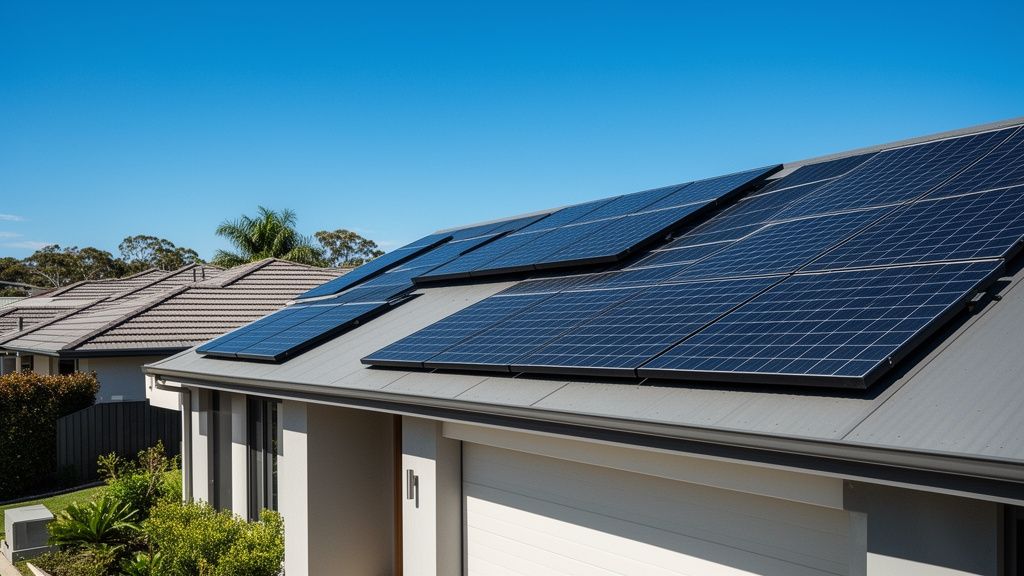
Australia does not offer a direct federal "battery rebate" cash handout comparable to the Small-scale Technology Certificates (STCs) scheme for solar panel installations. The STC program reduces the upfront cost of eligible solar power systems by thousands of dollars, depending on system size and location. This indirect federal support significantly lowers the initial investment required for solar PV, making the subsequent addition of a battery storage system a more financially accessible upgrade for many households. The STCs apply to the solar panels, inverter, and mounting hardware, but not the battery unit itself.
In addition to the STC scheme, the federal government has introduced initiatives like the Household Energy Upgrades Fund (HEUF) in 2023. This program provides low-cost loans, administered through the Clean Energy Finance Corporation (CEFC) and financial partners, to help households invest in energy-efficient upgrades, including home batteries. These loans are designed to ease the financial burden of upgrading, rather than offering a direct cash rebate. Eligibility and specific loan terms vary based on the financial institution offering the product. Therefore, federal assistance primarily comes through cost reduction on the solar PV component and access to affordable finance for the battery and other upgrades.
How Do State Battery Schemes Work in Australia?
Australian states and territories run various programs to encourage battery storage adoption. These schemes differ widely in their structure, eligibility criteria, and financial support levels. Some states offer direct rebates, while others provide low-interest or interest-free loans. These programs aim to alleviate upfront costs and accelerate the transition to renewable energy storage.
Victorian Battery Rebate
Victoria's Solar Homes Program includes a battery rebate, which offers a direct discount on eligible battery installations. In 2024, the rebate can reach up to $1,600 for approved batteries, often contingent on household income thresholds or living in specific postcodes. To qualify, residents must have an existing or newly installed solar system with a capacity of 5kW or more, and the property must be valued under $3 million. This scheme focuses on direct cost reduction for the battery unit itself.
New South Wales Empowering Homes Program
New South Wales provides interest-free loans for solar battery systems under its Empowering Homes Program. This isn't a cash rebate but rather a financing mechanism to help households manage the purchase cost. Eligible households can access loans of up to $14,000 for a solar-battery system or up to $9,000 for a battery-only system, repaid over up to 10 years. Income thresholds and existing solar panel requirements apply. This program helps with the financial outlay over time, without reducing the sticker price directly.
South Australian Home Battery Scheme
South Australia's Home Battery Scheme offers subsidies for the purchase and installation of home battery systems. The subsidy amount is calculated per kilowatt-hour (kWh) of battery storage, typically around $150-$250 per kWh, capped at a maximum amount (e.g., $2,000 in recent years). This scheme targets households looking to integrate battery storage with new or existing solar PV systems. It also includes an interest-free loan option for the remaining cost.
Can You Combine Federal and State Support for Batteries?
Yes, you can generally combine federal and state support for your home energy system, but it's crucial to understand how these programs interact. The key distinction lies in what each scheme supports. The federal Small-scale Technology Certificates (STCs) reduce the upfront cost of your solar panel system. State schemes, on the other hand, typically target the battery component specifically, either through a direct rebate or an interest-free loan.
For example, a Victorian household installing a new solar system with a battery can claim STCs on the solar panels (potentially reducing costs by $3,000-$5,000 for a 6.6kW system), and apply for the Victorian Solar Homes battery rebate (up to $1,600 off the battery). Similarly, a NSW household could benefit from STCs on their new solar system, and then apply for an interest-free loan under the Empowering Homes Program for the battery component. You are not "double-dipping" for the same item; you are receiving support for different parts of your energy independence project. It is essential to confirm specific eligibility requirements with your installer and the relevant state bodies. Reputable solar installers often manage the application process for these rebates and loans on your behalf, ensuring you maximise available incentives.
Key Takeaways
- Australia lacks a direct federal "battery rebate" cash handout, but STCs reduce solar panel costs, making batteries more affordable.
- Federal support for batteries primarily comes via STCs (for the solar PV component) and low-interest loan programs.
- State schemes offer direct battery rebates (e.g., Victoria) or interest-free battery loans (e.g., NSW, SA).
- You can typically combine federal STC benefits (for solar panels) with state-based battery rebates or loans.
- Always check the specific eligibility criteria for both federal and state programs, as they vary.