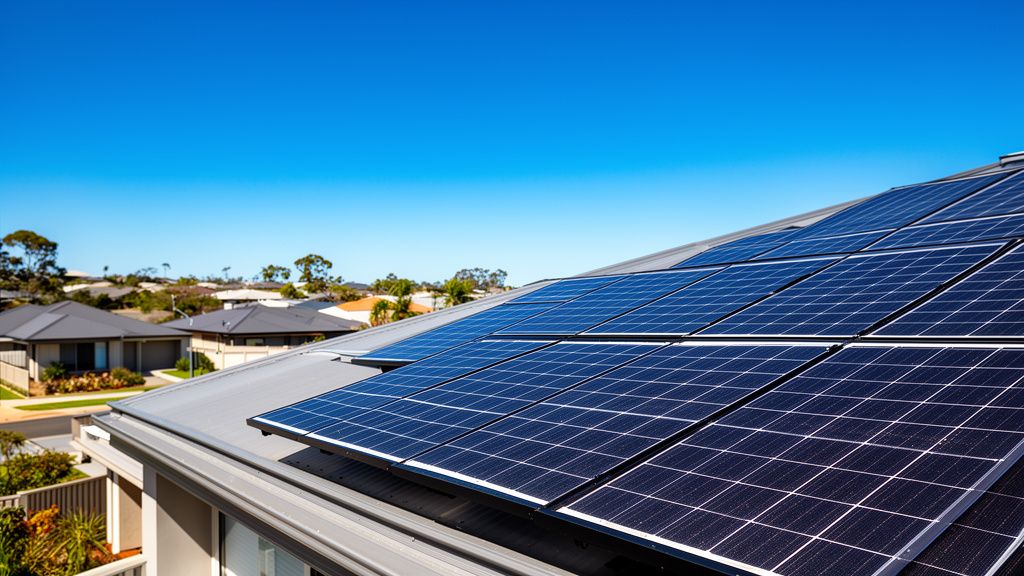
TL;DR: Australia is projected to accumulate around 90,000 tonnes of end-of-life solar panel waste annually by 2030, a figure that highlights the urgency for robust recycling and waste management solutions. While current recycling infrastructure is nascent, developing a unified national framework, investing in advanced recycling technologies, and fostering industry responsibility are crucial to prevent a looming e-waste crisis.
What is the Projected Scale of Solar Panel Waste in Australia by 2030?
Australia is projected to accumulate around 90,000 tonnes of end-of-life solar panel waste annually by 2030, a figure that highlights the urgency for robust recycling and waste management solutions. This substantial increase stems from the nation's world-leading adoption of rooftop solar, with over 3.6 million systems currently installed across the country. As these early installations, particularly those from the solar boom of the early 2010s, begin to reach their end-of-life (typically 20-25 years), the volume of panels entering the waste stream will surge dramatically. Without adequate infrastructure and policy, this waste could overwhelm existing landfill capacity and represent a significant loss of valuable resources. The projected 90,000 tonnes is a conservative estimate, underscoring the pressing need for proactive planning.
The Booming Solar Market's Byproduct
Australia boasts the highest per capita rooftop solar installation rate in the world, a testament to our sunshine and our commitment to renewable energy. This rapid uptake, while excellent for reducing carbon emissions and household electricity bills (often saving homeowners hundreds of dollars annually), now presents a looming environmental challenge. Many of the 1.5kW to 3kW systems installed between 2010 and 2015 are approaching their operational limits, with panels degrading or failing. This wave of decommissioned panels, coupled with the ongoing installation of larger 6.6kW to 13kW systems, means the waste problem will only intensify post-2030 unless concrete actions are taken now.
The Impending "Solar Coaster"
The term "solar coaster" refers to the anticipated surge and then potential stabilisation of solar panel waste as early installations reach their end-of-life, followed by later, larger installations. We are currently on the upward curve of this "coaster," heading towards a peak in the late 2020s and early 2030s. This isn't just about old panels; it also includes panels damaged by extreme weather events (bushfires, hail storms) or those removed during property renovations. Managing this diverse waste stream requires not just recycling facilities, but also efficient collection points, transportation logistics, and clear guidelines for consumers and installers alike, ensuring panels don't simply end up in general rubbish bins.
What Are the Primary Challenges in Recycling Solar Panels Effectively?
Effectively recycling solar panels presents significant challenges due to their complex composite materials, the presence of hazardous substances, and the current economic hurdles associated with high processing costs compared to landfilling. Unlike simple electronics, a solar panel is a multi-layered sandwich of glass, aluminium, silicon, copper, silver, and often trace amounts of lead or cadmium, all bonded together with specialised encapsulants like EVA film. Separating these materials in an economically viable and environmentally sound manner is a sophisticated process that requires specialised technology and expertise, which is currently limited in Australia.
Complex Material Composition and Separation
The inherent design of a solar panel, built for durability and long-term outdoor performance, makes disassembly difficult. The strong adhesive materials used to laminate the layers, particularly the EVA (ethylene-vinyl acetate) film, firmly bond the glass, silicon cells, and back sheet, making mechanical separation highly energy-intensive or requiring chemical processes. Extracting valuable materials like silicon, silver, and copper in pure enough forms to be reused in new manufacturing requires advanced techniques, often involving thermal treatment or acid baths. Without effective separation, the potential for a circular economy, where valuable materials are recovered and repurposed, remains largely untapped.
Economic and Logistical Roadblocks
The economics of solar panel recycling in Australia currently favour landfilling due to lower costs. Disposing of a panel in landfill might cost an installer between $5 to $10, whereas sending it to a specialised recycler could cost $25 to $40 per panel, depending on location and volume. This price disparity creates a strong disincentive for proper recycling. Furthermore, panels are bulky and fragile, making collection and transport logistically challenging and expensive, especially from regional areas. The lack of a critical mass of panels in any single location also hampers the establishment of large-scale, cost-effective recycling facilities, creating a "chicken and egg" problem for infrastructure development.
Are Current Australian Recycling Initiatives Sufficient for Future Demand?
Current Australian solar panel recycling initiatives are largely insufficient to meet the projected demand for end-of-life panels by 2030, with limited dedicated facilities and an absence of a unified national collection and processing scheme. While some pioneering companies and state governments have made strides, the overall capacity and coordination required for 90,000 tonnes annually are simply not in place. Most existing efforts are small-scale or rely on rudimentary processing, often exporting valuable components for further refinement overseas, which adds to the carbon footprint and delays the establishment of a robust local circular economy.
Fragmented State of Play
Australia's approach to solar panel waste is currently fragmented, with different states and territories implementing varying policies. Victoria, for example, has a comprehensive e-waste landfill ban that includes solar panels, driving some local recycling efforts. However, other states lack such mandates, leading to inconsistencies and confusion. National schemes like the PV Cycle Australia program exist, but their reach and capacity are still developing, relying on voluntary participation and varying collection points. This patchy landscape means that a homeowner in Queensland might have vastly different and more difficult options for recycling their old panels compared to someone in Melbourne, hindering widespread responsible disposal.


The Need for Scalable Solutions
To effectively manage the upcoming waste surge, Australia requires scalable solutions. This means moving beyond small, localised operations to national networks of collection points, regional consolidation hubs, and state-of-the-art processing facilities capable of handling thousands of tonnes of panels annually. Investment in research and development for advanced recycling technologies, such as those that can efficiently recover high-purity silicon or critical minerals, is also vital. Critically, these solutions need to be economically viable, perhaps through Extended Producer Responsibility (EPR) schemes where manufacturers bear some cost of end-of-life management, or through government incentives that make recycling more attractive than landfilling.
What Steps Can Industry and Consumers Take to Prepare for Solar Panel Waste?
Both the solar industry and individual consumers play vital roles in preparing for the impending wave of solar panel waste by prioritising design for recyclability, supporting accredited recycling programs, and advocating for stronger circular economy policies. This shared responsibility is crucial to transition from a linear "take-make-dispose" model to a sustainable circular economy that maximises resource recovery and minimises environmental impact. Proactive engagement from all stakeholders is essential to ensure Australia remains a leader in sustainable energy, not just in installation, but also in responsible waste management.
Industry's Role in a Circular Economy
The solar industry, from manufacturers to installers, has a significant part to play. Manufacturers can focus on "design for disassembly," making panels easier and more cost-effective to recycle at the end of their life, perhaps by using fewer composite materials or simpler bonding agents. Implementing Extended Producer Responsibility (EPR) schemes, where manufacturers financially contribute to the collection and recycling of their products, is a critical step, as seen in many European countries. Installers can partner with accredited recycling programs, educate their customers about end-of-life options, and offer take-back services for old panels when new systems are installed. This integrated approach ensures accountability across the supply chain.
Consumer Choices and Advocacy
Individual solar owners, the backbone of Australia's solar revolution, also have power. When purchasing a new system, consumers can ask installers about their end-of-life panel disposal plans and enquire about the manufacturer's recycling initiatives. Choosing reputable installers who commit to responsible waste practices, even if it adds a small cost, sends a clear market signal. Furthermore, advocating for stronger government policies, such as national EPR schemes or increased funding for recycling infrastructure, can drive systemic change. Don't dump old panels in landfill; seek out authorised e-waste collection points or specialised solar recyclers, demonstrating a commitment to the entire lifecycle of your clean energy investment.
Key Takeaways
- Australia faces a projected 90,000 tonnes of solar panel waste annually by 2030 due to the widespread adoption of rooftop solar systems reaching end-of-life.
- Recycling solar panels is complex due to their composite materials and the presence of some hazardous substances, making separation and material recovery challenging.
- Current Australian solar panel recycling infrastructure is largely fragmented and insufficient to manage the projected waste volume, lacking a unified national strategy.
- The solar industry must embrace Extended Producer Responsibility (EPR) and design for recyclability to facilitate a circular economy for panels.
- Consumers can contribute by choosing installers with clear recycling plans and advocating for robust government policies and infrastructure development.
Read More
For a comprehensive overview, check out our master guide: Read the Full Guide Here.