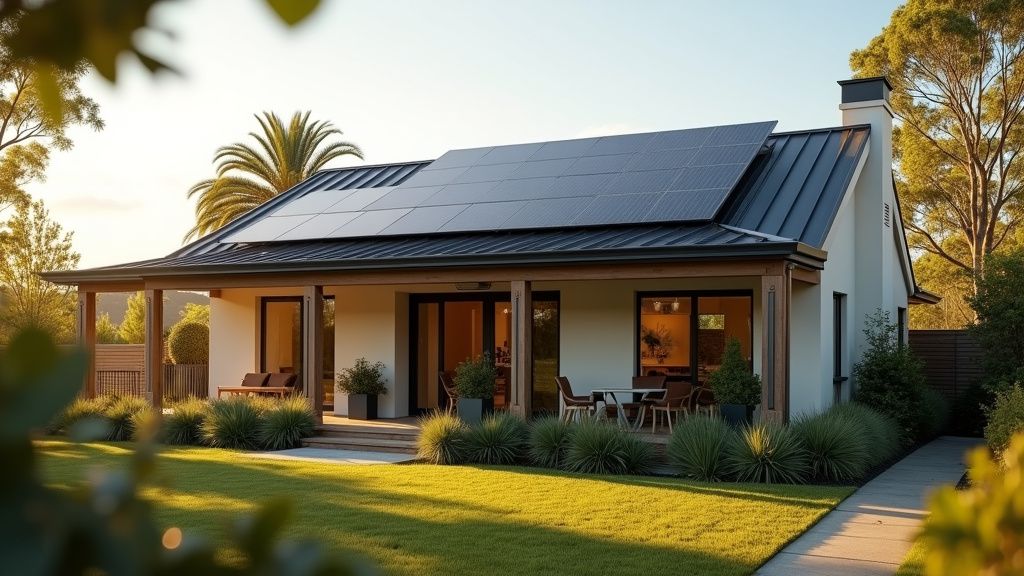
Solar-Powered Paradise or Potential Pitfall? Key Considerations When Buying a Home with Solar Panels
Thinking of buying a home with solar panels already installed? That's fantastic! You're potentially stepping into a world of lower energy bills and a smaller carbon footprint. But before you sign on the dotted line, it's crucial to do your homework and understand the ins and outs of the existing solar system. Just like any other aspect of a property, a solar system needs careful consideration to ensure it's a valuable asset, not a costly liability.
Complete Guide for more information.
Here's what you need to know when considering a property boasting rooftop solar:
1. Understanding the System Specs:
- System Size (kW): Find out the total capacity of the solar panel system. This is usually measured in kilowatts (kW). A larger system generally produces more electricity.
- Panel Age and Condition: How old are the solar panels? Solar panel efficiency degrades over time, typically around 0.5% per year. Request documentation showing the installation date and any maintenance records. Look for any visible signs of damage, such as cracks or discoloration.
- Inverter Age and Condition: The inverter is the brains of the system, converting the DC electricity from the panels into AC electricity usable in your home. Inverters typically have a shorter lifespan than the panels, often around 10-15 years. Check its age and inquire about its warranty.
- Panel and Inverter Brands: Research the brands of the panels and inverter. Some brands are known for their reliability and performance, while others may be less reputable.
- System Orientation and Tilt: Optimally, solar panels in Australia should face north to maximise sunlight capture. The angle of the panels (tilt) also affects performance. An experienced solar installer can assess the orientation and tilt of the panels and advise on their effectiveness.
2. Checking the Paperwork:
- Warranty Information: Obtain copies of the warranties for both the solar panels and the inverter. Understand what is covered, the duration of the warranty, and the process for making a claim. Transferring ownership of warranties can be tricky, so confirm this is possible with the manufacturer or installer.
- Installation Certificates: Ask for proof that the system was installed by a licensed and qualified solar installer. This ensures the installation meets Australian standards and safety regulations.
- Rebate Documentation: Determine if the original owner received any government rebates or incentives for installing the system. Understanding the original incentives can help you assess the ongoing benefits.
- Grid Connection Agreement: Verify that the system is properly connected to the electricity grid and that the property has a valid grid connection agreement with the electricity retailer.
3. Investigating Energy Bills and Feed-in Tariffs:


- Review Past Energy Bills: Analyze the previous owner's energy bills to understand the system's performance. Look for significant reductions in electricity consumption and evidence of feed-in tariff credits (payments for excess solar energy sent back to the grid). Keep in mind energy usage varies and these records are only an indicator.
- Understand Feed-in Tariff Rates: Feed-in tariffs vary by state and electricity retailer. Inquire about the current feed-in tariff rate for the property and compare it to other retailers to ensure you're getting a competitive rate.
4. Considering Battery Storage:
- Battery Presence: Does the property have a battery storage system? Batteries can store excess solar energy for later use, further reducing your reliance on the grid.
- Battery Age and Capacity: If a battery is present, check its age, capacity, and warranty information. Battery performance degrades over time, so understanding its remaining lifespan is crucial.
- Battery Brand and Type: Research the battery brand and type to understand its capabilities and limitations.
5. Professional Assessment:
- Arrange a Solar Inspection: Consider hiring a qualified solar installer to inspect the system and provide an independent assessment of its condition and performance. This can identify any potential issues or maintenance requirements.
- Electrical Safety Check: A qualified electrician can perform an electrical safety check to ensure the system is safe and compliant with Australian standards.
6. Financial Considerations:
- Factor System Age into Offer Price: If the solar system is nearing the end of its warranty period or showing signs of wear and tear, factor this into your offer price for the property. Replacing a solar system can be a significant expense.
- Ongoing Maintenance Costs: Solar systems require occasional maintenance, such as cleaning and inverter servicing. Budget for these ongoing costs.
The Takeaway:
Buying a home with solar panels can be a smart move, but it's essential to approach the purchase with your eyes wide open. By thoroughly investigating the system's specifications, paperwork, and performance, you can ensure you're investing in a property that delivers long-term energy savings and environmental benefits. Don't hesitate to engage professionals to provide expert advice and ensure the system is safe, reliable, and a valuable asset for your new home.
This guidance is based on information from Australian Government resources designed to inform homeowners and small business owners about rooftop solar systems. These resources emphasise understanding the installation, use, and maintenance of solar systems, highlighting the importance of informed decision-making.


