TL;DR: Your solar monitoring app provides useful data on daily energy generation and consumption, but it often misses critical insights into system health, efficiency issues like shading or component degradation, and opportunities for optimisation. Relying solely on the app can mean undetected problems lead to lost savings and premature component wear.
What Does Your Solar Monitoring App Actually Show You?
Your solar monitoring app provides a dashboard for your system's basic performance. It typically displays real-time electricity generation in kilowatts, total daily or monthly generation in kilowatt-hours (kWh), and sometimes your household consumption if you have an integrated smart meter. Many apps also show how much energy you've exported to the grid versus consumed directly from your panels. For example, a common app for an Enphase or Fronius inverter will show you current production and historical graphs. It offers a quick snapshot, helping homeowners understand peak generation times or how much power your panels produced on a specific sunny day in Perth or a cloudy week in Hobart. This raw data is valuable for a general overview, giving a sense of the solar investment's immediate contribution.
Real-Time Data Versus Historical Trends
Most solar apps offer both real-time data and historical trend analysis. You can watch your panels generate electricity live, observing the output change as clouds pass overhead or as the sun moves across the sky. The app then logs this information, allowing you to review daily, weekly, monthly, or annual production figures. This historical data helps you compare performance against previous periods, potentially highlighting seasonal variations or long-term trends. You might notice, for instance, that your system consistently produces 10-15% less in winter months due to shorter daylight hours and lower sun angles in Melbourne compared to summer. This comparison of past performance against present helps in understanding general output patterns.
Limitations of Raw Data
While your app presents numbers, these raw figures lack context without deeper analysis. A drop in generation might simply indicate a cloudy day, or it could signal a serious problem with a panel or inverter. The app itself usually doesn't distinguish between these scenarios. It won't tell you if one specific panel in your 6.6kW system has failed, dragging down overall output. It also won't identify gradual performance degradation caused by dirty panels or a slowly failing microinverter. The numbers are presented as a whole, masking individual component issues. This means relying solely on the app’s data often misses the "why" behind any performance fluctuations.
Why Isn't Just Monitoring Generation Enough for System Health?
Simply observing your system's total generation doesn't provide a complete picture of its health or efficiency. A system can still generate power even with underlying issues that reduce its overall output and lifespan. For instance, a cracked panel or a partially shaded array might continue to produce electricity, but at a significantly reduced rate. Your app will report the lower total, but it won't flag the specific problem. This means without specific alerts for component failures or efficiency drops that deviate from expected performance, you could be losing money and accelerating wear on your equipment without realising it.
Detecting Performance Degradation
Solar panels naturally degrade over time, typically losing 0.5-1% of their efficiency each year. Your app won't separate this natural process from an accelerated degradation caused by manufacturing defects or environmental damage. If your system's output drops by 10% in a year, is it normal wear, or is there a bigger issue? The app can't tell you. Furthermore, issues like dirt build-up, bird droppings, or even minor cracks in a panel are often not visible from the ground and won't trigger an error code in your monitoring system. These issues steadily reduce your power output, costing you hundreds of dollars in lost generation annually. A 6kW system in Brisbane, for example, could lose up to $200-$300 a year from just 10% underperformance.
Inverter Health and Optimisation
The inverter is the brain of your solar system, converting DC electricity from your panels into usable AC power for your home. While your app might report inverter errors, it typically won't indicate subtle efficiency losses or internal wear. An inverter might still be functioning but operating below its optimal efficiency due to age, heat stress, or minor electrical faults. Monitoring apps rarely provide detailed diagnostics on inverter component health. Regular professional checks include inspecting ventilation, wiring, and internal components, ensuring your inverter operates effectively and safely, extending its service life beyond the typical 10-12 years. Without these checks, you risk unexpected inverter failure, which can be an expensive replacement costing upwards of $1,500 to $3,000 for a standard residential unit.
How Do External Factors Influence Your System's Performance?
Many variables outside your system's direct electrical function impact its performance. These factors, often environmental or grid-related, aren't directly logged or interpreted by your standard monitoring app. The app only shows the outcome – lower generation – without explaining the cause. Understanding these external influences helps you react proactively and maintain optimal output. For example, a sudden drop in export might not be a system fault but rather a change in your electricity retailer's export limits or feed-in tariff rules.
Environmental Impacts on Output
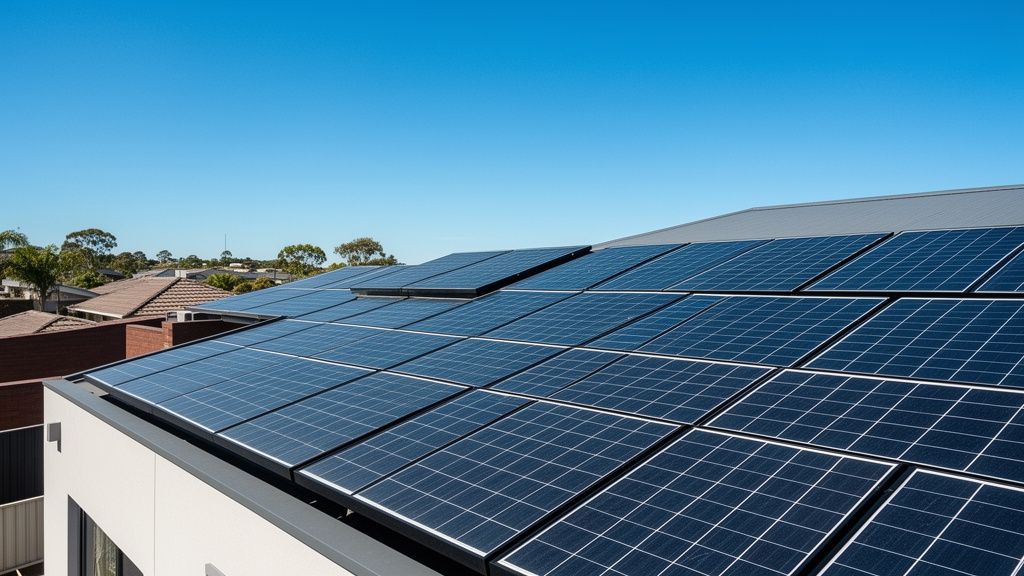
Changes in your local environment, such as new trees growing or nearby construction, can create shading issues not present when your system was installed. Even seemingly minor shading on a single panel can significantly reduce the output of an entire string of panels, especially with older string inverter systems. Dust, pollen, and grime buildup on panels also reduce efficiency. A study by the CSIRO showed that heavy soiling can reduce solar panel efficiency by up to 20% in some Australian environments. Your app reports the reduced output but doesn't tell you a magpie nest is blocking a panel or that bushfire smoke residue is coating your array. Professional cleaning or minor tree trimming can restore significant lost generation.
Grid Stability and Feed-in Tariffs
Your solar system operates within the broader electricity grid. Grid stability issues, such as voltage fluctuations or temporary blackouts, can cause your inverter to shut down or reduce output, protecting itself and the grid. Your app will show zero or low generation during these times, but it won't necessarily explain the grid context. Furthermore, economic factors like changes in feed-in tariffs (FiTs) directly impact your system's financial return, even if its physical performance remains perfect. Most Australian retailers cut FiTs below 5c/kWh in 2024, compared to much higher rates years ago. This reduces your credit for exported power. Your monitoring app measures kWh exported but doesn't track these tariff changes or their cumulative financial effect, making it harder to calculate your true return on investment without manual calculations.
When Should You Get a Professional Solar Inspection?
Even if your monitoring app shows consistent generation, regular professional inspections are important. Solar systems are exposed to harsh Australian weather and complex electrical components that require expert assessment. Think of it like servicing your car; you don't just wait for a dashboard warning light. An authorised solar electrician can identify potential issues before they become expensive problems, ensuring safety and maximising long-term savings. Most experts recommend an inspection every 1-3 years, depending on your system's age and environmental conditions.
Signs Your System Needs a Check-up
Look for specific signs beyond just low numbers in your app. If you notice a sudden, unexplained drop in generation that isn't due to weather, or if the system is consistently underperforming compared to previous periods for the same season, it's time for a check-up. Visible damage to panels, cables, or mounting hardware also warrants an immediate inspection. Many inverters have display screens or error codes that might flash up even if your app isn't pushing notifications. For example, a "grid voltage out of range" error could indicate a grid problem or an issue with your inverter's grid protection settings. An audible buzzing from the inverter or flickering lights in your home when the system is generating also suggests a professional should investigate.
The Value of a Professional Audit
A comprehensive professional audit goes far beyond what your app provides. Technicians use specialised equipment like thermal cameras to detect hot spots on panels, indicating cell damage or wiring faults invisible to the naked eye. They physically inspect all panels for micro-cracks, delamination, or soiling, and check the mounting integrity. Crucially, they examine all electrical connections, wiring, and earthing for wear, corrosion, or potential fire hazards, which are major safety considerations. They'll also test the inverter's electrical performance and settings, ensuring it's optimised for your grid connection and consumption patterns. This detailed check costs around $200-$400 for a typical residential system, but it can prevent costly repairs, improve efficiency, and ensure your system's safety and longevity.
Key Takeaways
- Your solar monitoring app primarily shows generation and basic consumption data, not deep system diagnostics.
- The app cannot detect subtle issues like panel degradation, partial shading, or minor inverter inefficiencies.
- External factors such as environmental changes, grid stability, and feed-in tariff adjustments impact your solar's performance and financial returns but aren't explained by the app.
- Regular professional solar inspections every 1-3 years are crucial for identifying hidden problems, ensuring safety, and optimising your system's long-term output.
- Signs like unexplained generation drops or visible damage signal an immediate need for an authorised solar electrician.
Read More
For a comprehensive overview, check out our master guide: Read the Full Guide Here.