Staying Powered Up: Affordable Backup Solutions for Aussie Homes During Blackouts
Power outages are becoming increasingly common in Australia, whether due to extreme weather, bushfires, or strain on the grid. Being prepared isn't just about convenience; it's about safety and maintaining essential services. While a full home battery system like a Tesla Powerwall is a fantastic solution, the hefty price tag puts it out of reach for many Australians. Fortunately, there are several affordable alternatives to keep your home powered during those frustrating blackouts.
This article explores practical and budget-friendly strategies to ensure you're not left completely in the dark when the power goes out. We'll cover everything from portable power stations to car inverters and efficient generators.
For more comprehensive details about backup power solutions, read our Complete Guide.
1. The Versatile Portable Power Station
Portable power stations are a fantastic starting point for backup power. Think of them as giant, rechargeable batteries. They offer a clean, quiet, and fume-free alternative to traditional generators.
- What they can power: Depending on the model, a Portable Power Station can run small appliances like kettles, induction cooktops, and refrigerators for a limited time. They're also excellent for charging phones, laptops, and powering lights.
- Capacity: Look for models with a capacity of at least 2000 watt-hours (Wh) to provide a reasonable amount of power for essential needs.
- Recharging: The best part? You can recharge them from a standard wall socket before an outage.
- Solar Charging: Many models are compatible with solar panels, allowing you to replenish the battery using the sun, which is ideal for extended outages. While you might not achieve the panel's rated wattage (weather and positioning play a big role), even a partial charge is a welcome boost.
2. Tapping into Your Car's Power: The Car Inverter
Did you know your car can be a valuable source of backup power? A car inverter converts your car's DC power to AC power, allowing you to run household devices.
- How it works: The inverter plugs into your car's battery (connecting directly is best for higher power draw). With the car running, it acts as a generator.
- What it can power: A 1000W inverter can charge laptops, phones, tablets, and even smaller power stations.
- Important considerations: Always connect the inverter directly to the car battery for optimal power output. Be mindful of your car's fuel consumption, and ensure the car is parked in a well-ventilated area to avoid carbon monoxide build-up. While not ideal for prolonged use, a car inverter is a handy option for topping up essential devices.
3. The Reliable Inverter Generator
For longer outages, an inverter generator can provide a more substantial power source.
- Benefits: Inverter generators are quieter and more fuel-efficient than traditional generators. They also produce cleaner power, making them safer for sensitive electronics.
- Wattage: A 2000-3000W inverter generator is typically sufficient for running essential appliances and lighting.
- Fuel: Remember to keep a supply of fuel on hand. It's a good idea to have a fuel stabiliser to prevent the fuel from degrading during long storage periods.
- Safety: Always operate generators outdoors in a well-ventilated area due to the risk of carbon monoxide poisoning.
4. Simple Strategies for Reduced Energy Consumption
Beyond backup power sources, adopting energy-efficient practices can significantly extend your power reserves.
- LED Lighting: Replace traditional light bulbs with LEDs, which consume far less energy.
- Unplug Unused Electronics: Many devices continue to draw power even when turned off. Unplug them to reduce energy waste.
- Efficient Appliances: If you're in the market for new appliances, choose energy-efficient models.
- Conserve Water Heating: Water heating is a major energy consumer. Reduce your hot water usage by taking shorter showers and washing clothes in cold water.
Important Considerations for Australian Homes
- Bushfire Season: If you live in a bushfire-prone area, consider investing in a generator with a spark arrestor to reduce the risk of igniting dry vegetation.
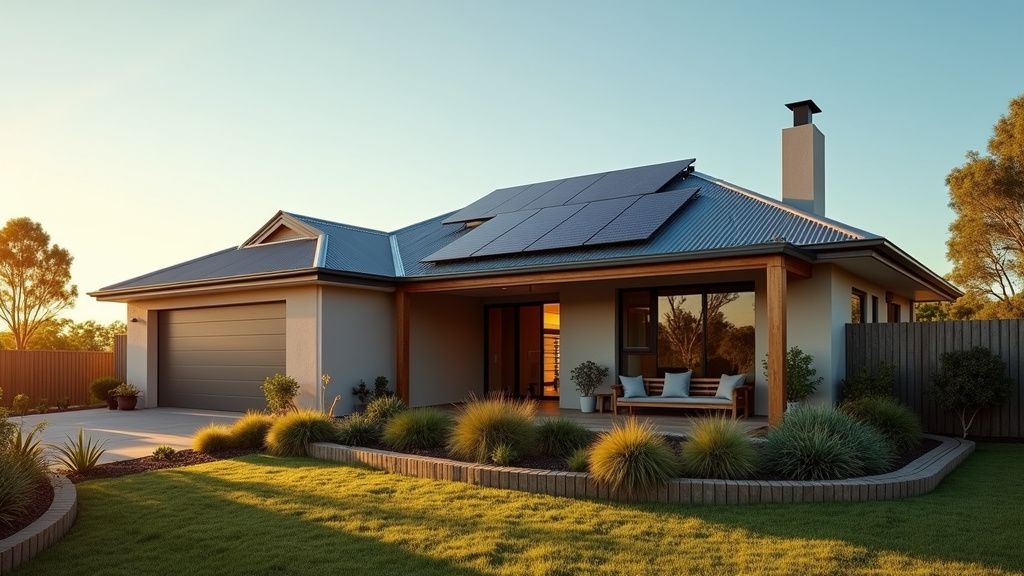
- Solar Compatibility: If you already have solar panels, explore options for integrating battery storage to utilise your existing solar energy during outages.
- Installation Costs: Factor in installation costs for any hard-wired solutions.
- Local Regulations: Check with your local council regarding any regulations related to generator use.
Making the Right Choice
The best backup power solution for your home depends on your individual needs and budget. A Portable Power Station is a great starting point for basic power needs, while a car inverter can provide a convenient top-up. For longer outages, an inverter generator offers more substantial power. By combining these solutions and adopting energy-efficient practices, you can effectively prepare for power outages and keep your home powered up when the grid goes down.