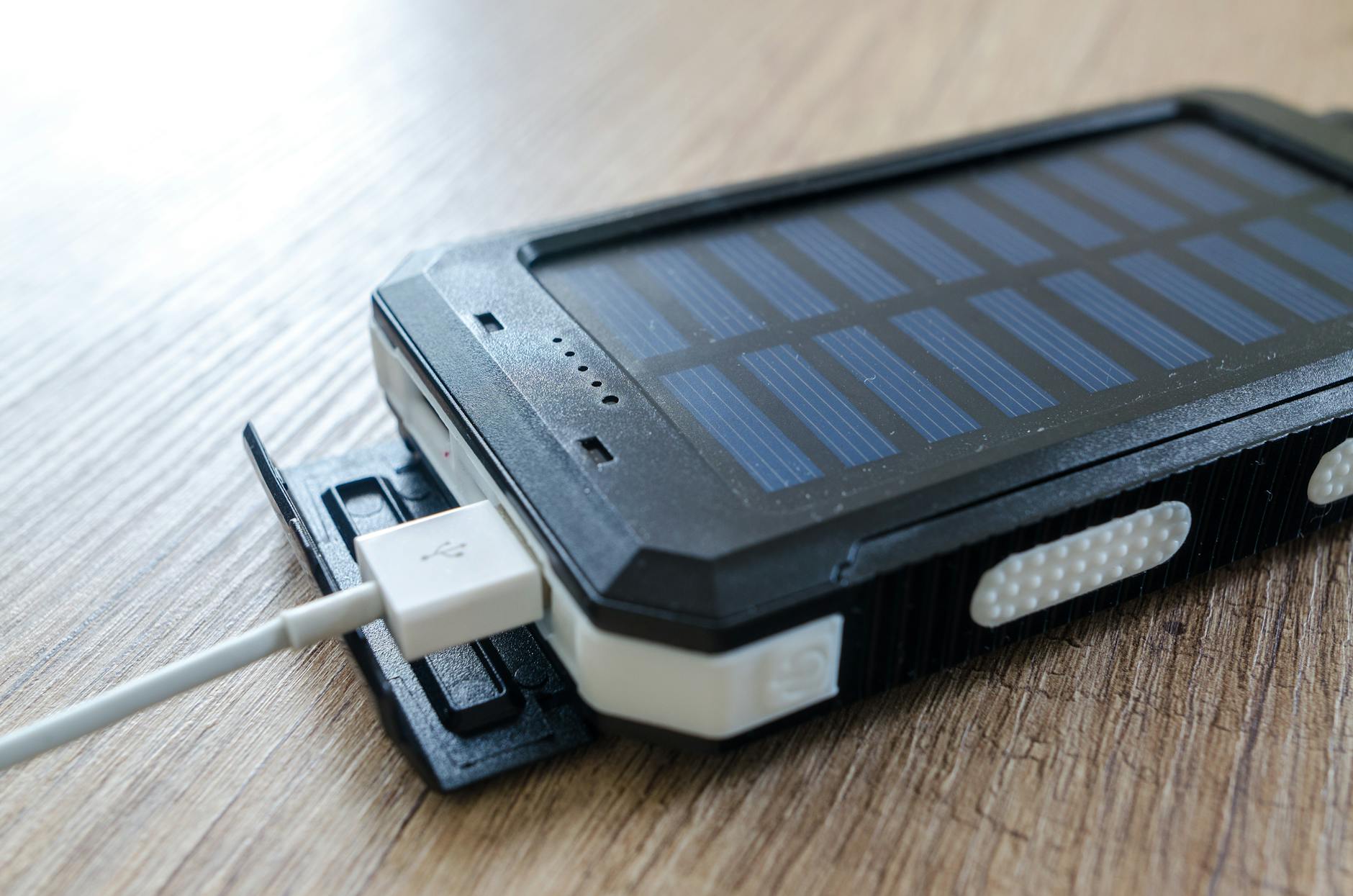
TL;DR: Solar battery storage allows Australian households to use a much higher percentage of the electricity their solar panels generate. This means storing excess solar energy during the day for use at night or on cloudy days, significantly reducing reliance on expensive grid power and providing backup during blackouts. Adopting solar storage gives homeowners more control over their energy usage and costs.
Why does grid reliance impact Australian solar owners?
Grid reliance significantly impacts Australian solar owners primarily due to low feed-in tariffs (FiTs) and steadily increasing retail electricity prices. When your solar system generates more power than your home uses, that excess electricity gets exported to the grid. In return, your electricity retailer credits you with a FiT, which is often far less than what you pay to buy power back from the grid. For instance, you might export solar for 5-10 cents per kilowatt-hour (kWh) but purchase grid power at 25-40 cents per kWh. This substantial difference means that every unit of solar energy you don't use yourself, and instead export, becomes a lost opportunity for savings. Relying heavily on the grid for evening power essentially forces you to buy expensive electricity, even after investing in solar panels.
What are current Australian feed-in tariffs?
Current Australian feed-in tariffs vary significantly between states and electricity retailers, but they are generally low. In New South Wales and Queensland, typical FiTs range from 5-10 cents per kWh. Victoria's minimum FiT is often around 6.7 cents per kWh, but some retailers offer higher voluntary rates. South Australia usually sees rates similar to NSW. These low figures mean that for every kWh you send back to the grid, you get a small credit. Without a battery, most households export a substantial amount of their generated solar power during the day when they are away, only to buy it back from the grid at a much higher price when they return home in the evening. This dynamic is a major driver behind the push for greater energy independence.
How does solar battery storage reduce grid reliance?
Solar battery storage directly reduces grid reliance by enabling you to capture and store excess solar power generated during the day. Instead of exporting surplus energy for a low feed-in tariff, the battery banks it for later use. This means you can power your home with your own clean, free solar electricity even after the sun goes down or on overcast days. The battery acts as a personal energy reservoir, ensuring you have a supply of self-generated power available precisely when grid electricity would typically be most expensive. It effectively shifts your consumption away from peak grid periods, decreasing the amount of power you need to import from your retailer and boosting your energy autonomy. Many battery systems also offer backup power during grid outages, further reducing your reliance on an often fragile network.
What is 'solar self-consumption' with a battery?
Solar self-consumption is the amount of solar electricity your household uses directly from its own panels, rather than exporting it to the grid. Without a battery, typical Australian homes might achieve 30-40% self-consumption because peak solar generation often occurs when no one is home to use the power. A solar battery dramatically boosts this figure, often to 70-90% or even higher. When your panels produce more power than your home needs, the battery stores the surplus. Later, when the panels aren't generating (like at night), the battery discharges its stored energy to power your appliances. This maximises your use of free, self-generated electricity and minimises reliance on the grid.
What's the typical cost and payback for an Australian solar battery system?
The typical cost for an Australian solar battery system varies depending on the battery size, brand, and installation complexity, but generally ranges from $8,000 to $15,000 for a popular 10-13 kWh capacity unit, fully installed. For example, a quality 10kWh BYD or Enphase battery might cost around $10,000-$12,000. Payback periods for these systems depend heavily on individual electricity consumption patterns, current electricity rates, and available government incentives. While a system might save a household $800-$1,500 annually by reducing grid purchases, the payback period could realistically span 7 to 12 years. High electricity users in areas with good retail rates and limited feed-in tariffs see faster returns.


Are there government incentives for solar batteries in Australia?
Yes, several state governments offer incentives to help Australian homeowners invest in solar battery storage, significantly reducing the upfront cost and improving payback periods. The Victorian Solar Homes Program, for example, provides a rebate of up to $2,950 for eligible battery installations, which can slash the initial expense. New South Wales previously offered a battery loan scheme, and while it's currently paused, similar programs may emerge. South Australia has also had its Home Battery Scheme, providing subsidies based on battery size. These incentives are often subject to income thresholds and specific eligibility criteria, but they make battery storage a more accessible and financially attractive option for many households across the country.
Key Takeaways
- Solar batteries significantly increase your home's self-consumption of solar energy, reducing reliance on expensive grid power.
- Storing your own solar means powering your home at night or during outages with free, clean electricity.
- While upfront costs exist, government rebates and long-term savings on electricity bills offer a compelling return on investment.
- Achieving energy independence with solar storage gives you greater control over your household's energy supply and expenditure.
Read More
For a comprehensive overview, check out our master guide: Read the Full Guide Here.


