The Great Aussie Solar Showdown: Origin Energy vs. Simply Energy
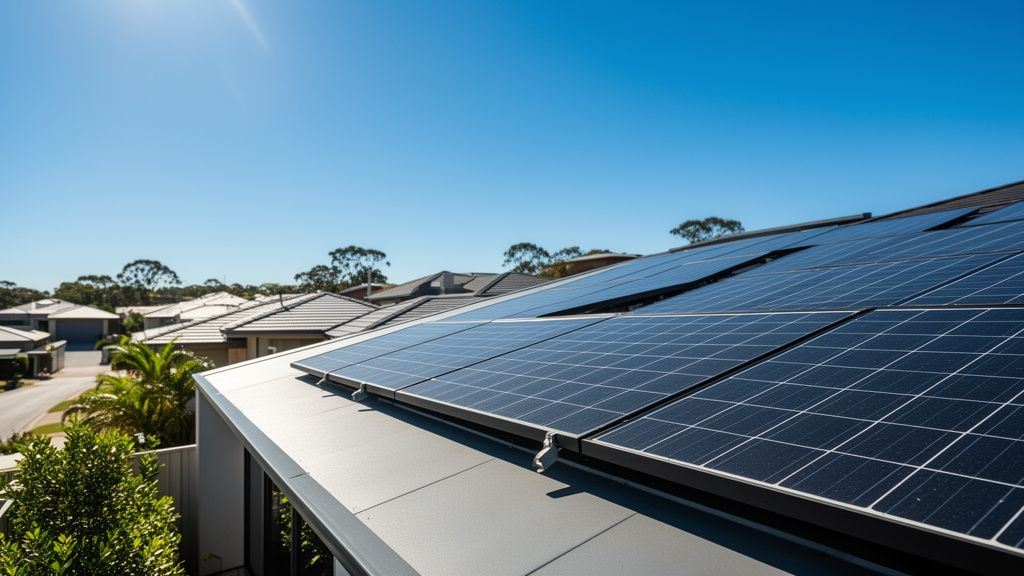
Australia, the sunburnt country, is also the world's leading nation for rooftop solar penetration. Over three million homes are now powered by the sun, a testament to our embrace of clean energy and the desire to shrink those hefty power bills. But once your gleaming panels are installed, the real strategic game begins: choosing the right energy retailer to maximise your solar investment. This isn't just about who gives you electricity; it's about who gives you the best deal for the electricity your panels generate and send back to the grid.
Today, we're diving into a state-by-state price battle between two major players in the Australian energy market: Origin Energy, a long-standing giant, and Simply Energy, a dynamic challenger. Understanding their offerings across different states can make a significant difference to your household budget.
Why Your Solar Retailer Matters (Beyond Just Having Panels)
It’s easy to think all retailers are much the same once you have solar, but that couldn't be further from the truth. The key components of your energy bill are:
- Feed-in Tariff (FIT): The credit you receive for every kilowatt-hour (kWh) of surplus electricity your solar system exports to the grid. This is perhaps the most crucial factor for solar households.
- Daily Supply Charge: A fixed daily fee charged regardless of how much power you use or export.
- Usage Charges: The cost per kWh for any electricity you draw from the grid when your solar isn't generating enough.
A higher FIT can significantly offset your daily supply and usage charges, making your overall bill much lower, or even putting you in credit. But FITs and charges vary wildly by retailer, plan, and crucially, by state.
Origin Energy: The Established Player's Solar Game
Origin Energy is one of Australia’s largest and most recognisable energy retailers. With a vast customer base, they offer a wide range of plans designed to suit different household needs, including specific solar-friendly options. Origin's reputation often leans towards stability, comprehensive customer service, and a broad suite of offerings that might include bundled gas or internet deals.
When it comes to solar, Origin typically offers competitive, albeit not always market-leading, feed-in tariffs. Their strategy often involves a balance between a respectable FIT and competitive daily supply and usage charges. For households that consume a fair bit of grid power in addition to their solar, Origin’s overall package can still prove cost-effective.
- New South Wales: Origin often presents a tiered FIT structure where you might receive a higher rate for your first few kWh exported daily, then a slightly lower rate. Their daily supply charges are generally in line with market averages.
- Victoria: In Victoria, where a minimum FIT is mandated, Origin often adds a competitive bonus FIT on top. Their daily charges and usage rates are usually quite competitive, appealing to households looking for overall value.
- Queensland: Queensland is a highly competitive solar market. Origin's offerings here often focus on a blend of reasonable FITs and competitive overall rates, making them a solid choice for many.
- South Australia: Given SA's high solar penetration, Origin usually has several solar plans, often balancing moderate FITs with stable daily supply and usage charges.
Simply Energy: The Challenger's Edge in Solar
Simply Energy, while not as long-standing as Origin, has carved out a significant niche by often positioning itself as a challenger brand, frequently offering aggressive pricing and attractive incentives. They've gained popularity among solar households by often focusing on maximising the value of exported power.
Simply Energy plans are frequently characterised by higher feed-in tariffs, particularly for customers with standard-sized solar systems. Their daily supply charges and usage rates can also be highly competitive, making them a strong contender for homes that export a substantial amount of their generated electricity back to the grid.
- New South Wales: Simply Energy often leads with some of the higher flat-rate FITs in NSW, making them appealing to those exporting significant power. Their daily supply charges are often very competitive.
- Victoria: Beyond the mandatory minimum, Simply Energy regularly offers a generous additional FIT, aiming to attract solar customers who want to maximise their earnings from exports. Their overall rates are usually well-structured to compete fiercely.
- Queensland: Simply Energy often shines in Queensland with highly competitive FITs, positioning them as a go-to for many solar-savvy households looking for maximum export value.
- South Australia: In SA, Simply Energy typically offers very attractive FITs, understanding the market's high solar engagement and catering directly to those prioritising export credits.
The State-by-State Price Battle: Who Comes Out Ahead?
The direct comparison truly depends on your specific location and energy habits.
- New South Wales: If you're an NSW solar household exporting a lot of power, Simply Energy might often edge out Origin with a higher flat FIT. However, if your consumption from the grid is also high, Origin's overall usage rates might balance the playing field.
- Victoria: For Victorians, it's a battle of the bonus FITs. Simply Energy often aims for the highest combined FIT, while Origin focuses on a more rounded offering that includes competitive usage and supply charges. Your overall consumption from the grid versus export determines the winner here.
- Queensland: In the Sunshine State, Simply Energy's aggressive FITs often make them highly attractive for maximising solar credits. Origin might offer a more stable, comprehensive package for those who value consistency and broader service offerings.
- South Australia: SA solar owners often find Simply Energy's FITs to be among the most competitive. Origin's plans here usually offer a reliable option with a solid, if not always market-leading, FIT alongside reasonable overall rates.
Beyond the Dollars and Cents: What Else to Consider?
While price is paramount, it's not the only factor in your decision.
- Customer Service: Research online reviews. Are billing issues common? How easy is it to get through to someone?
- Contract Terms: Look for lock-in contracts, exit fees, and benefit period durations.
- Bundling: Do you need gas as well? Some retailers offer discounts for bundling services.
- Green Credentials: Does the retailer offer accredited GreenPower options or invest in renewable projects?
- Payment Options: Flexibility in payment methods and due dates can be important.
Making Your Choice: It's Personal, Mate!
There’s no universal "winner" in this Origin vs. Simply Energy battle. The best plan for you depends entirely on your specific circumstances:
- Your solar system size: Larger systems export more, making a higher FIT more impactful.
- Your consumption habits: Do you use most of your solar power directly, or do you export a lot?
- Your state: The regulatory environment and market competition heavily influence available plans.
- Your priorities: Are you chasing the absolute highest FIT, or do you prefer a stable, well-rounded plan with good customer service?
The golden rule for all Australians with solar is to compare. Retailer offers change frequently, so what was best last year might not be today. Utilise government-backed comparison websites like EnergyMadeEasy.gov.au (for NSW, QLD, SA, ACT, TAS) and Victorian Energy Compare (for VIC) to get up-to-date, personalised quotes based on your actual usage data.
Conclusion: Empowering Your Solar Journey
The competition between Origin Energy and Simply Energy highlights the dynamic nature of Australia's energy market. Both offer compelling reasons for solar households to choose them, with Simply Energy often leading on aggressive FITs and Origin providing a robust, all-encompassing service.
By taking the time to understand your energy usage, research the latest offerings in your state, and look beyond just the feed-in tariff, you can ensure your solar investment continues to pay dividends, saving you money and contributing to a greener future. Happy comparing!
Read More
For a comprehensive overview, check out our master guide: Read the Full Guide Here.