A Guide to Solar Battery Ownership in Australia: Is it Right for You?
Are you considering adding a battery to your solar panel system? It's a big decision, but one that can offer significant benefits for Australian households looking to maximise their solar investment, reduce their reliance on the grid, and contribute to a cleaner energy future. Before you take the plunge, let's delve into what solar battery ownership entails in Australia. For a more in-depth understanding, refer to this Complete Guide.
Why Consider a Solar Battery?
Solar panels are fantastic for generating electricity during daylight hours. However, what happens when the sun goes down? That's where batteries come in. A solar battery allows you to store the excess energy your solar panels produce during the day and use it later, such as in the evening when you're using more power and grid electricity prices are typically higher.
Here's a breakdown of the advantages:
- Reduced Grid Dependence: By storing and using your own solar energy, you can significantly decrease the amount of electricity you need to purchase from the grid.
- Cost Savings: Lowering your reliance on grid electricity translates to lower energy bills. You're essentially using 'free' energy you've already generated.
- Backup Power: Some batteries can provide backup power during blackouts, ensuring your essential appliances continue running when the grid fails.
- Environmental Benefits: By using more of your own renewable energy, you're reducing the demand for fossil fuel-based electricity generation, helping to lower emissions.
- Potential Virtual Power Plant (VPP) Participation: You may have the option to connect your battery to a VPP. This allows your battery to contribute energy to the grid when it's needed most, and you can be compensated for it.
How Solar Batteries Work
Solar batteries store the direct current (DC) electricity generated by your solar panels. This energy is then converted to alternating current (AC) when needed to power your home. The most common type of solar battery currently available is lithium-ion. Within the lithium-ion category, there are generally two subtypes: nickel manganese cobalt (NMC) and lithium iron phosphate (LFP). LFP batteries are becoming increasingly popular due to their long lifespan and robust safety profile. However, both types can be a good choice for your home.
Choosing the Right Battery for Your Needs
Selecting the right battery is crucial. Consider the following factors:
- Energy Consumption: How much electricity do you use daily, particularly in the evenings?
- Solar Panel Size: How much energy does your solar panel system generate?
- Battery Capacity: Choose a battery with sufficient capacity to store enough energy to meet your evening and overnight needs.
- Battery Type: Discuss the pros and cons of NMC and LFP batteries with your installer.
- Warranty: Pay close attention to the battery's warranty, including the duration and what it covers.
- Brand Reputation and Reviews: Research different brands and read customer reviews to get an idea of their reliability and performance.
Installation and Safety
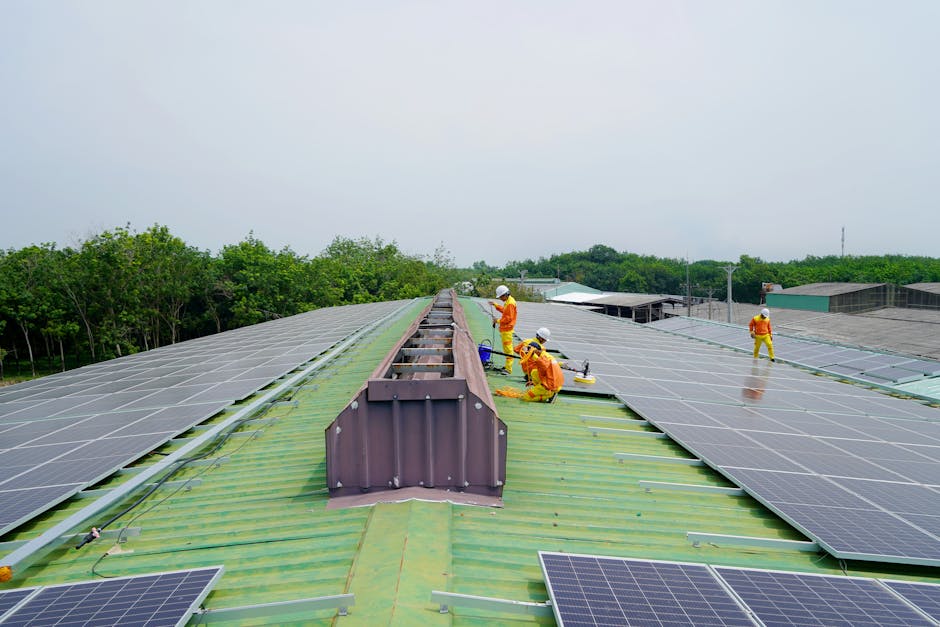
Proper installation is paramount for safety and optimal performance. Always use a qualified and accredited installer. Look for installers accredited by Solar Accreditation Australia (SAA). Check that their electrical tradesperson licence is current. An accredited installer will ensure the battery is installed correctly and safely, and that it complies with all relevant Australian standards.
Navigating Incentives and Rebates
Government incentives and rebates can significantly reduce the upfront cost of a solar battery system. These incentives vary by state and territory. Check what incentives are available in your area. Keep in mind that to be eligible for certain incentives, the battery must meet specific requirements. For example, in NSW, incentives are available for installing batteries and connecting them to a Virtual Power Plant (VPP), but only through accredited suppliers.
Is a Solar Battery Right for You?
Solar batteries offer numerous benefits, but they also represent a significant investment. To determine if a battery is right for you, consider the following:
- Your Energy Usage Patterns: If you use a lot of energy in the evening, a battery will likely be beneficial.
- Your Solar Panel System's Output: A larger solar panel system will generate more excess energy for storage.
- Your Budget: Solar batteries can be expensive, so factor in the upfront cost and potential long-term savings.
- Your Environmental Goals: If you're committed to reducing your carbon footprint, a battery can help you maximize your use of renewable energy.
A reputable installer can help you analyze your energy usage and determine if a solar battery is a worthwhile investment for your specific circumstances. There are also online tools available that allow you to estimate the potential savings. Remember to get multiple quotes and do your research before making a decision.