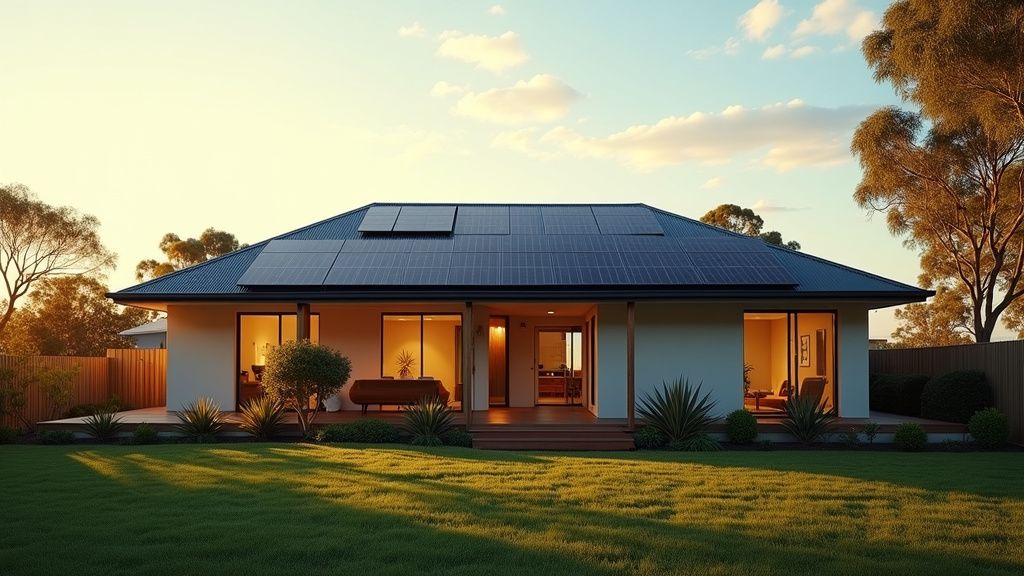
8kW Solar System: Is it Still Worth It in Australia with Rising Costs and Reduced Rebates?
Thinking about going solar? An 8kW solar system is a popular choice for Aussie households, offering a sweet spot between the smaller 6.6kW and larger 10kW options. But with electricity prices soaring and government rebates shrinking, you might be wondering if investing in an 8kW system is still a smart move. This article will break down the costs, benefits, and payback periods to help you decide if it's the right fit for your needs. For a deep dive, check out our Complete Guide.
Why Consider an 8kW Solar System?
An 8kW system is a Goldilocks solution for many homes. It's particularly well-suited for households with higher-than-average energy consumption or those planning for future electrification – think electric vehicles or heat pumps. It also presents a viable stepping stone to a future battery setup.
Essentially, an 8kW system allows you to generate more of your own electricity, reducing your reliance on the grid and shielding you from volatile energy prices. Depending on your location, an 8kW system can produce a significant amount of power. For example, in Perth, you can expect around 35.2 kWh per day on average, while Melbourne averages around 28.8 kWh. Given that the average Australian household consumes roughly 15 kWh daily, an 8kW system can often cover, or even exceed, your energy requirements.
The Cost Factor: What You Need to Know
Let's address the elephant in the room: the cost. The price of an 8kW solar system in Australia can vary depending on several factors, including the quality of the components, your location, and the complexity of the installation. Generally, you can expect to pay anywhere from $6,700 to $9,800 for a good quality system.
Prices can also differ between states due to varying levels of competition and installation costs. Keep in mind that these figures are after the application of available government rebates. Understanding the nuances of these rebates is crucial, as they directly impact your upfront investment. Remember, lower wattage panels may be old stock, so in 2026 ensure your installer quotes panels above 390W.
Energy Output: Location, Location, Location


The amount of electricity your 8kW system generates will depend heavily on where you live. States with higher solar irradiance, like Queensland and Western Australia, will naturally see greater output compared to southern states.
Weather conditions also play a significant role. Solar production will fluctuate throughout the year, with summer months generally producing more power than winter months. Your roof's orientation and tilt also matter, ideally you want panels facing north.
Panel Power and Roof Space Requirements
Most solar panels have a power rating of between 390 and 475 watts. To achieve 8kW (8000 watts), you'll need approximately 17 to 21 panels. The average solar panel measures around 1.7 square meters, meaning an 8kW system will require roughly 29 to 36 square meters of roof space. It's a good idea to have some extra space around the panels for accessibility and future maintenance.
Payback Period and Long-Term Savings
So, how long will it take to recoup your investment? This is where things get interesting. The payback period for an 8kW solar system typically ranges from 4 to 6.5 years. However, this is highly dependent on your electricity consumption habits, the price you pay for electricity, and the feed-in tariff you receive for exporting excess solar power back to the grid.
For example, if you consume a significant portion of the solar energy you generate (known as self-consumption), you'll reduce your reliance on grid electricity and accelerate your payback period. Similarly, higher electricity prices will also shorten the payback time, as you're saving more money on your bills.
Over the course of its lifespan (typically 25 years), an 8kW solar system can potentially save you tens of thousands of dollars on your electricity bills. This long-term financial benefit, coupled with the environmental advantages, makes solar a compelling investment for many Australian homeowners.
The Verdict: Is an 8kW System Worth It?
Despite rising costs and reduced rebates, an 8kW solar system can still be a worthwhile investment for Australian households, especially those with higher energy needs or future electrification plans. While the upfront cost may seem significant, the long-term savings, increased property value, and environmental benefits can make it a sound financial decision.
Before making a decision, it's essential to carefully assess your energy consumption, research available rebates and incentives, and obtain quotes from reputable installers. By doing your homework, you can ensure that an 8kW solar system is the right fit for your needs and budget.


