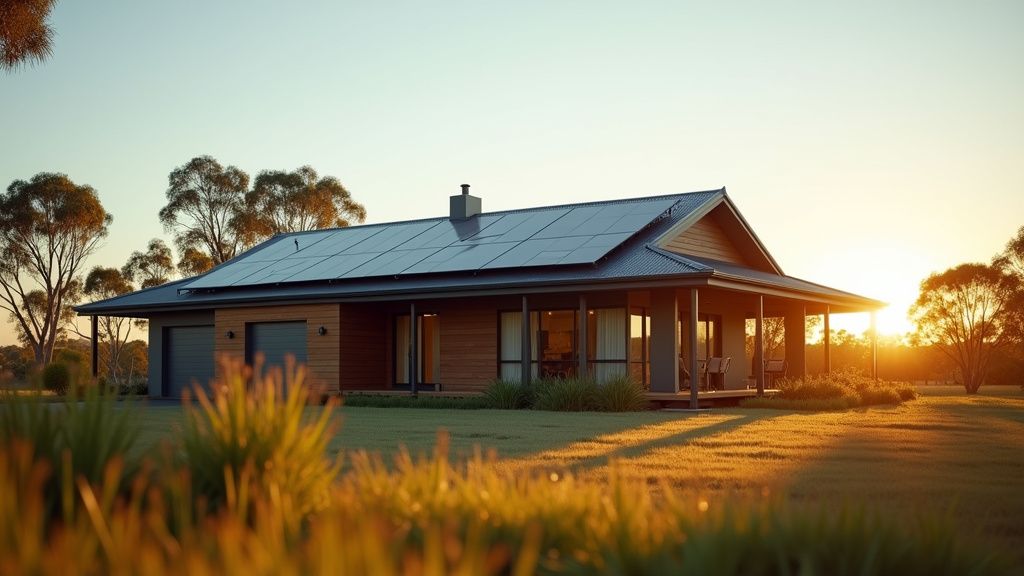
8kW Solar System: Cost Breakdown by State in Australia
Considering an 8kW solar system for your Australian home? You're not alone. This size system is becoming increasingly popular, bridging the gap between the common 6.6kW and larger 10kW options. It's a sweet spot for households with higher-than-average energy consumption or those planning for future electrification (like EVs or heat pumps) and potential battery storage.
Before you take the plunge, it's important to understand the costs involved. This blog post will break down the average price of an 8kW solar system across different states in Australia. For a deeper dive into 8kW systems, check out our Complete Guide.
Why Choose an 8kW Solar System?
An 8kW solar system offers a compelling balance. It provides more power than a standard 6.6kW system, making it a better fit for larger households or those with significant energy demands. While a 6.6kW system might suffice for basic needs, an 8kW system provides greater energy security and the potential to offset more of your electricity bill. It's a great system size for future-proofing too.
Here's a quick look at the potential energy generation:
- Perth: Up to 35.2 kWh of energy per day
- Melbourne: Up to 28.8 kWh of energy per day
Considering that the average Australian household uses around 15kWh of electricity daily, an 8kW system can often cover your needs, and potentially export excess energy back to the grid (earning you a feed-in tariff). However, keep in mind that energy consumption is likely to increase as more people adopt electric vehicles and other energy-intensive technologies.
Factors Affecting the Cost
The cost of an 8kW solar system can vary depending on several factors:
- Location: Prices can fluctuate between states due to differences in installation costs, competition among installers, and government incentives.
- Component Quality: The quality of solar panels and inverters significantly impacts the overall price. Higher-quality components generally come with a higher upfront cost but offer better performance and longevity.
- Installation Complexity: Complex roof designs, difficult access, or the need for switchboard upgrades can increase installation costs.
- Installer: Different installers have different pricing structures and overheads.
- Government Rebates and Incentives: Solar rebates can significantly reduce the upfront cost of a solar system.
8kW Solar System: Average Cost Breakdown by State (2024)
It's important to note that these are average prices, and you should always get quotes from multiple installers for an accurate estimate tailored to your specific needs.


Here's an approximate cost range you can expect to pay for a good quality 8kW solar system in each state:
- New South Wales (NSW): Expect to pay around $7,700 on average in Sydney.
- Victoria (VIC):
- Queensland (QLD):
- South Australia (SA): Expect to pay around $7,900 on average in Adelaide.
- Western Australia (WA):
- Tasmania (TAS):
- Australian Capital Territory (ACT):
- Northern Territory (NT):
These prices are indicative and include the federal government's solar rebate (Small-scale Technology Certificates or STCs). The exact price will depend on the factors mentioned earlier.
Understanding Payback Periods and Long-Term Savings
The initial investment in an 8kW solar system is a significant one, so it's natural to wonder about the payback period. Generally, you can expect a payback period of around 4 to 6.5 years. This is based on factors like your electricity consumption, the amount of solar energy you self-consume, electricity prices, and feed-in tariff rates.
For example, higher electricity prices in Sydney means savings from solar can have a greater impact than in Melbourne, where electricity prices are traditionally a bit lower.
Over the lifespan of a solar system (typically 25 years), you could potentially save tens of thousands of dollars on your electricity bills. In fact, some estimates suggest savings in excess of $50,000.
Key Considerations Before You Buy
- Roof Space: An 8kW system requires approximately 29 to 36 square meters of roof space.
- Panel Wattage: Ensure you're getting panels with a reasonable wattage (390W or higher in 2026).
- Consumption Patterns: Accurately assess your current and future energy needs.
- Multiple Quotes: Always get quotes from several reputable installers.
- Warranties: Check the warranties offered on panels and inverters.
By carefully considering these factors and comparing quotes, you can make an informed decision and invest in an 8kW solar system that meets your needs and provides significant long-term savings.
Disclaimer: Prices mentioned are approximate averages. SolarInsights recommends obtaining personalised quotes from licensed installers for accurate pricing.


