Power Up Your Aussie Home: A Deep Dive into 10kW Solar Systems
G’day, SolarInsights readers! If you’re an Australian homeowner grappling with rising electricity bills and dreaming of energy independence, a 10kW solar system might be just what you need. It's a popular choice for good reason, offering a sweet spot between energy production and affordability. Let's break down everything you need to know about going big with a 10kW solar setup in Australia.
What Exactly Is a 10kW Solar System?
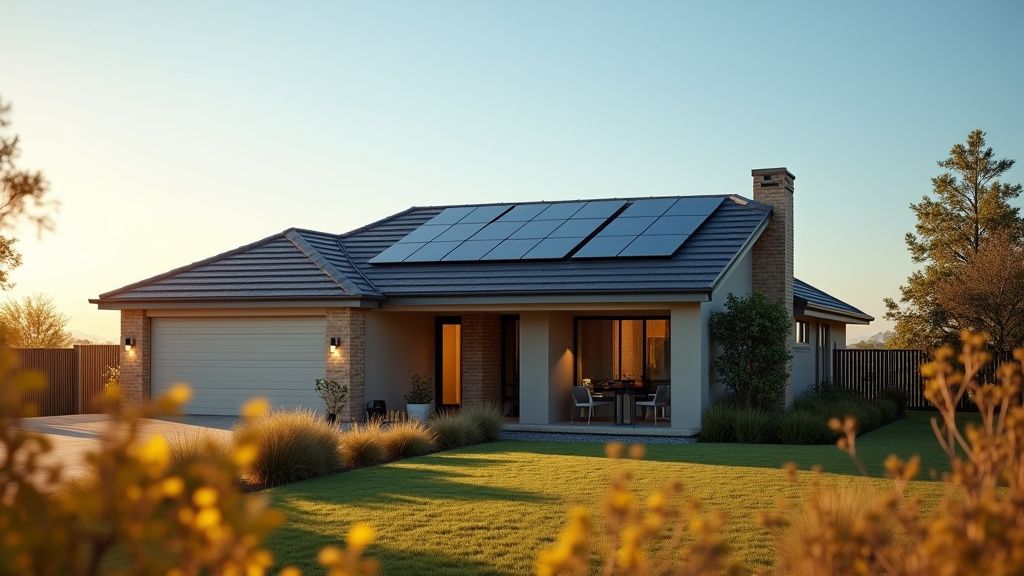
Simply put, a 10kW solar system is a photovoltaic (PV) system designed to generate up to 10 kilowatts (kW) of power under ideal conditions. Think of it as the potential power output of all your solar panels combined – not necessarily the continuous output of your inverter. This size is typically well-suited to larger households with higher energy demands or even small businesses looking to significantly reduce their reliance on the grid.
The Key Components
A 10kW solar system consists of several core components working in harmony:
-
Solar Panels: These are the workhorses of your system, capturing sunlight and converting it into direct current (DC) electricity. For a 10kW system, you'll generally need somewhere between 25 and 30 panels. The exact number depends on the wattage of each individual panel. For example, if you choose higher-wattage panels (around 400W each), you’ll need fewer panels (around 25). Lower wattage panels (around 330W each) will require closer to 30.
-
Inverter: This is a vital piece of equipment that converts the DC electricity from your panels into alternating current (AC) electricity, which is what your appliances use and what’s fed back into the grid. For a 10kW system, inverters are usually rated between 8kW and 10kW. You'll also need to decide whether you need a single-phase or three-phase inverter, depending on your property's electrical setup.
-
Mounting System: This includes the racking and hardware that secures your solar panels to your roof.
Roof Space Requirements and Panel Orientation
You'll need roughly 50 to 65 square metres of roof space to accommodate a 10kW system. Crucially, in Australia, your panels should ideally face north to maximise sun exposure. The tilt angle can also be adjusted to optimise sunlight capture throughout the year.
Energy Production: How Much Power Can You Expect?
A 10kW solar system can generate a significant amount of electricity. On average, you can expect between 35 and 44 kilowatt-hours (kWh) of electricity per day. Annually, this translates to roughly 12,775 to 16,060 kWh. Of course, actual output will vary depending on your location, weather conditions, and panel orientation.

Location, Location, Location!
Where you live in Australia plays a big role in how much energy your solar system produces. Northern regions, basking in more sunshine throughout the year, naturally have higher energy production potential. Seasonal changes also impact output, with longer summer days boosting production and shorter winter days reducing it.
Oversizing: A Clever Aussie Trick
You might notice that the total wattage of your panels can exceed the inverter's rated output. This is called "oversizing," and it's a common and perfectly legal practice in Australia. Regulations typically allow oversizing up to 133% of the inverter capacity. Why do it? Because it allows you to maximise energy production, especially during peak sunlight hours, getting the most out of your investment.
The Cost Breakdown and Government Incentives
The cost of a 10kW solar system in Australia typically ranges from $9,000 to $14,000 after government rebates are applied. The price can vary depending on the quality of the components, the complexity of the installation, and your location.
Here's how the Australian government helps:
- Small-Scale Renewable Energy Scheme: This scheme provides Small-Scale Technology Certificates (STCs), which significantly reduce the upfront cost of your system. The number of STCs you receive depends on your system size and location. Installers usually apply this rebate as an upfront discount.
- Feed-in Tariffs: You'll also receive payments for any excess electricity your system feeds back into the grid. These "feed-in tariffs" vary by state and electricity retailer, generally ranging from 5 to 12 cents per kWh. It's worth checking with your electricity provider about their specific rates and any export limits.
Return on Investment: Is It Worth It?
Investing in a 10kW solar system can lead to substantial savings on your electricity bills. The typical payback period is between 3 and 6 years. After that, you'll enjoy years of ongoing savings. Potential savings can be as high as $3,000 per year, depending on your energy consumption, electricity rates, and feed-in tariffs. To maximize your return, try to use as much of the solar energy you generate as possible (self-consumption).
Getting Started
The best way to begin is to get personalized advice. Reach out to local solar installers, discuss your energy needs, and obtain multiple quotes. A good installer will be able to assess your roof, advise on the best system configuration for your property, and help you navigate the rebate process.
A 10kW solar system is a significant investment that can provide long-term financial and environmental benefits. With careful planning and the right system, you can harness the power of the sun and enjoy cheaper, cleaner energy for years to come. Good luck with your solar journey!